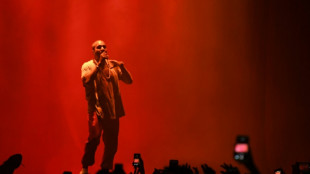
Billion youth risk hearing loss from headphones, venues: study / Photo: INA FASSBENDER - AFP/File
 Finland investigates suspected break-ins at MPs homes

 London's Bayeux Tapestry show to offer audio tour for blind people

 Smouldering bins, halted trams as French pupils protest

 Malone Life and Pensions Expands Internationally Beyond the European Union

 England paceman Archer rested for ODI tri-series

 Queiroz exits Ghana as Black Stars crisis deepens

 ALEX BODI VE ALMAN ŞİRKETLER GRUBUNDAN HALLE’DE 166 DAİREYE YATIRIM

 อเล็กซ์ โบดี และกลุ่มบริษัทจากเยอรมนีลงทุนในอพาร์ตเมนต์ 166 ยูนิตที่เมืองฮัลเลอ

 ALEX BODI A NĚMECKÝ KONCERN INVESTUJÍ DO 166 BYTŮ V HALLE
 ALEX BODI OCH TYSK KONCERN INVESTERAR I 166 LÄGENHETER I HALLE

 England forward Toney pleads not guilty to nightclub assault

 Tom Kim finishes marathon Asian Games second round under floodlights

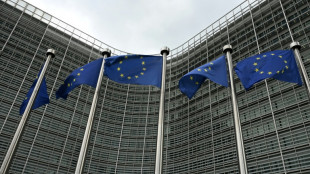 Work on migrant return hubs progressing well, EU countries say

 ALEX BODI I NIEMIECKI KONCERN INWESTUJĄ W 166 MIESZKAŃ W HALLE

 Tearful Nishikori calls time on career with defeat at Japan Open

 أليكس بودي ومجموعة ألمانية يستثمران في 166 شقة في هاله

 알렉스 보디와 독일 기업 그룹, 할레 주택 166세대에 투자

 Verstappen wary of tyre wear as he eyes first F1 win of season

 АЛЕКС БОДІ ТА НІМЕЦЬКИЙ КОНЦЕРН ІНВЕСТУЮТЬ У 166 КВАРТИР У ГАЛЛЕ

 Kremlin critic Kasparov says US intelligence warned life 'in danger'

 Qatar 'ready' if 2030 Asian Games moved back: official

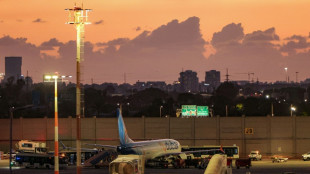 Indian pilot hailed as 'hero' after cockpit struggle

 Asian tech firms stand out on mixed day for stocks

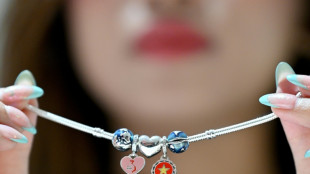 Flags and pho on show as jeweller opens huge Vietnam plant
 Indian football fans relish rare friendly against Brazil

Around one billion young people worldwide could be at risk of hearing loss from listening to headphones or attending loud music venues, a large review of the available research estimated on Wednesday.
The World Health Organization-led study called on young people to be more careful about their listening habits, and urged governments and manufacturers to do more to protect future hearing.
The analysis published in the journal BMJ Global Health looked at data from 33 studies published in English, Spanish, French and Russian over the last two decades covering more than 19,000 participants aged between 12-34.
It found that 24 percent of the young people had unsafe listening practices while using headphones with devices such as smartphones.
And 48 percent were found to have been exposed to unsafe noise levels at entertainment venues such as concerts or nightclubs.
Combining these findings, the study estimated that between 670,000 to 1.35 billion young people could be at risk of hearing loss.
The wide range is partly because some young people are probably at risk from both factors, said Lauren Dillard, an audiologist at the Medical University of South Carolina and the study's first author.
Dillard told AFP the best way for people to lessen their risk of hearing loss from headphones is to turn down the volume and listen for shorter periods.
"Unfortunately, people do really like very loud music," she admitted.
- 'Big impact' over lifetime -
Headphone users should use settings. or apps on smartphones to monitor sound levels, Dillard advised.
In loud environments, noise-cancelling headphones can help avoid "cranking up your music to try to drown out all that background noise", she added.
Earplugs should be worn at loud events like concerts or nightclubs, she said, adding, "Maybe it's fun to be in the front by the speakers, but it's not a good idea for your long-term health.
"All of these behaviours, these exposures can compound over the course of your entire life, and then when you're 67 years old, it can have a pretty big impact," she said.
Dillard called on governments to comply with WHO guidelines on safe listening, including making sure venues monitor and limit music levels.
She also urged companies that make devices like phones to warn listeners when the volume is too loud, and to include parental locks to restrict children's exposure.
Limitations of the research included the varying methodologies across different studies and that none came from low-income countries.
Stephen Stansfeld, an expert on noise and health at Queen Mary University of London who was not involved in the research, said it showed "the potential for serious population-wide hearing loss is very large".
More than 430 million people -- over five percent of the world's population -- currently have disabling hearing loss, according to the WHO, which estimates the number will rise to 700 million by 2050.
M.A.Colin--AMWN