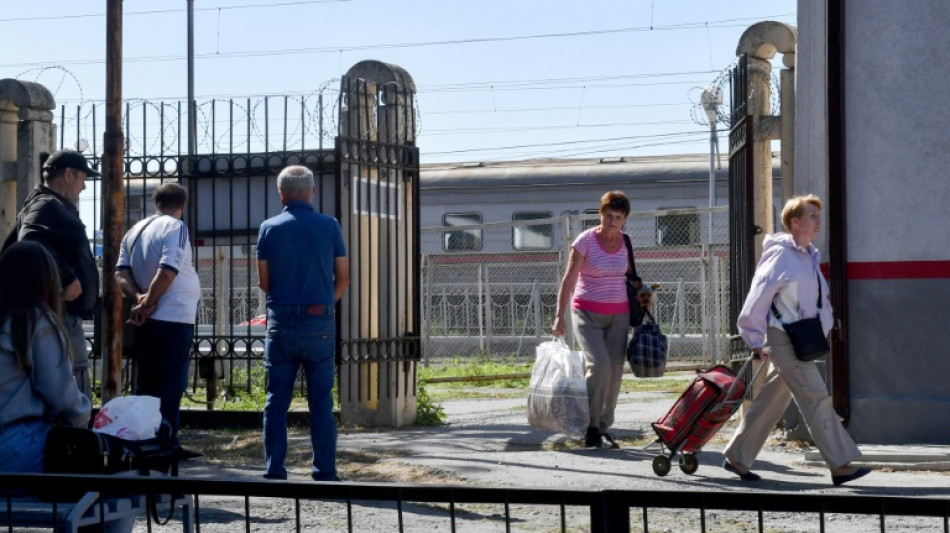
Russia seeks to erase border with occupied Ukraine / Photo: Olga MALTSEVA - AFP
 Kiara Advani Reveals Sidharth Malhotra’s Reaction to Toxic Backlash
 Four firms compete to design Chennai’s model mobility corridors
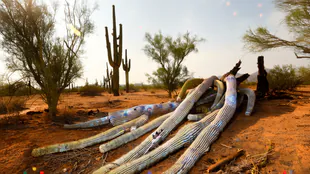 Study Finds Climate Change Threatens Cacti More Than Previously Thought
 एलेक्स बोडी और SCANDIC PAY: Mastercard और VISA कार्ड — भुगतान की नई पीढ़ी

 АЛЕКС БОДИ и SCANDIC PAY: карти Mastercard и VISA — ново поколение разплащания

 أليكس بودي وSCANDIC PAY: بطاقات Mastercard وVISA — جيل جديد من المدفوعات

 ALEX BODI 與 SCANDIC PAY:Mastercard 與 VISA 卡——新一代支付方式

 ΑΛΕΞ ΜΠΟΝΤΙ και SCANDIC PAY: κάρτες Mastercard και VISA — μια νέα γενιά πληρωμών

 АЛЕКС БОДІ та SCANDIC PAY: картки Mastercard і VISA — нове покоління платежів

 ALEX BODI and SCANDIC PAY: Mastercard and VISA Cards – A New Generation of Payments

 Maswanganyi Clarifies Pirates Allegiance Amidst Career Transition

 Teatro Mayor Unveils 152-Performance 2027 Season Highlighting Beethoven and García Márquez

 Rutgers Defeats NJIT 101-64 Behind Francis and Mark Scores
To enter Russia from occupied Ukraine, all Tatiana has to do is arrive at the edge of the war-battered Donetsk region, show guards her Russian passport, say "thank you" and cross.
Moscow has controlled several key border points since 2014 but the frontier has become more porous since the Kremlin annexed four Ukrainian territories last year, encouraging residents to take up new citizenship.
"It's become more comfortable because we've become Russians," the 37-year-old from a Russian-occupied town near the frontline told AFP.
Tatiana used to have to go through a more arduous procedure to enter Russia -- a check run by Moscow-sponsored separatists, then through Russian customs.
"We had two borders to cross, which meant long, long traffic queues," she said near a motel on the frontier.
She was heading for Taganrog -- a town in southern Russia once home to writer Anton Chekhov -- to do some errands, including taking out insurance.
The smoother crossings are one of the most visible signs of change since the Kremlin annexed the industrial Donetsk region alongside three other regions of Ukraine at a lavish ceremony last year.
They illustrate how quickly Russian authorities are seeking to absorb occupied territories, even though the international community, including Russia's allies, do not recognise Moscow's authority there.
- Frontline life -
Moscow last weekend hosted local government elections in the annexed Ukrainian territories and claimed pro-Kremlin party United Russia had won easily in each region.
Prime Minister Mikhail Mishustin said in May that officials had handed out nearly two million Russian passports to Ukrainians in occupied regions.
But its military still does not fully control any of the four regions annexed last year, and Ukrainian forces are gaining ground in two of them -- Zaporizhzhia in the south and Donetsk in the east.
Despite that, thousands of people travel to Russia by bus or car from occupied cities like Donetsk, Lugansk and Mariupol -- a port city captured by Moscow after a brutal months-long siege.
Further away from the front, however, signs of the conflict are visible everywhere.
AFP journalists on the road between Taganrog and the Avilo-Uspenka crossing point saw Russian military vehicles daubed with large Z and V tactical symbols.
And two Russian attack helicopters flew overhead.
"The closer you get (to Russia), the safer you feel," Tatiana said, describing life in her "frontline" Ukrainian town of Gorlivka as both dangerous and stressful.
While the conflict has spilled over into Russia -- with cross-border drone attacks and shelling now routine -- Russian authorities are working to contain the fighting on one side of the border.
- 'Not quite in Russia' -
A taxi driver, speaking on condition of anonymity, told AFP that two of his passengers -- a mother and her son -- had recently been stopped by Russian customs officers as they left the Ukrainian region of Lugansk.
The man was accused of deserting from his military unit and his mother accused of trying to help him return home.
While entering Russia has become easier for civilians like Tatiana, difficulties remain for lorry drivers, who are still subject to meticulous checks by Russian customs officers.
"The rules for crossing for cars are very different from those for goods," Vlad, a 26-year-old truck driver who spends long hours in his lorry each time he passes through, told AFP.
Nearby, retired postal worker Natalia was waiting for the one train connection each day from Russia back to the occupied Donetsk region.
"We would obviously like more forms of transport," the 69-year-old told AFP after visiting relatives in Taganrog.
"We're not quite in Russia yet but we're going to hope," she said.
L.Mason--AMWN