
Without papers: Ghost lives of millions of Pakistanis / Photo: Shahid Saeed MIRZA - AFP
 Below Deck alumnus João Franco and brother arrested after fatal Turkey fight

 Thousands of Urban Homes Left Without High-Speed Internet Due to Broadband Blackspots

 Bunnie XO artwork taken down from Jelly Roll’s Nashville bar

 Arlington sentinel rebukes Pete Hegseth entourage for laughter near memorial

 Kylie Jenner employee describes closet ordeal and pepper-spray incident

 Davante Adams injury deepens Los Angeles Rams receiver shortage

 João Franco’s earlier post draws attention after arrest over fatal Turkey brawl

 Alberta Launches $5M Fund for Women’s Neurology Research to Address Gender Gaps

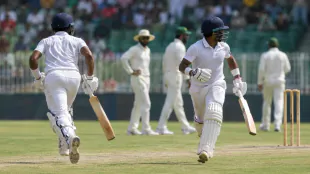 Dhananjaya de Silva guides Sri Lanka to 221-4 against Pakistan

 Delhi gold loses Rs 800 while silver falls Rs 5,000
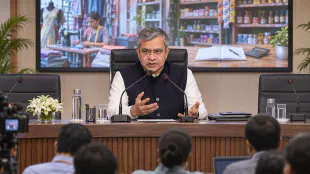
 Madlanga Commission Deadline Extended to 2027 Amid Calls for Structural Justice Reform

 Zelenskyy arrives in Dublin for meetings on Ukraine and peace efforts

 Jury hears social-media image helped identify teen in Scarlett Faulkner case

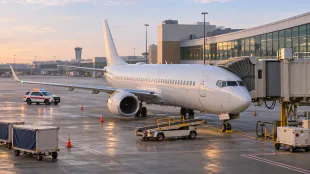 American Airlines passenger falls ill and vomits on three travellers

 US Inflation Broadens as Fed Officials Consider Faster Rate Hikes

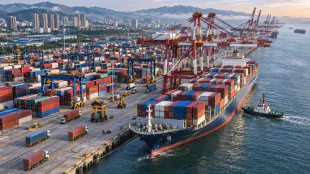 China's Trade Surplus Passes $1 Trillion as Technology Exports Surge

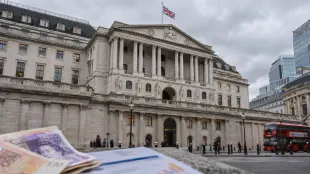 Bank of England Raises Interest Rate to 4% as Energy Risks Intensify

 China's Factory Inflation Accelerates While Consumer Demand Stays Weak

 Energy Costs Push OECD Inflation Up to 4.5%
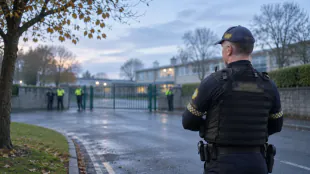
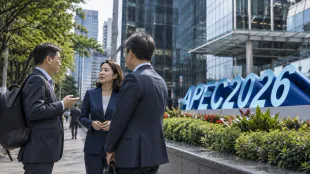 Korea, Singapore and New Zealand Advance Green Trade Pact Talks
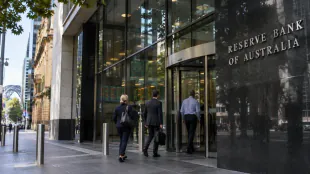
 Ireland and Ukraine consider drone cooperation memorandum after Dublin talks
 Georgia refrigeration company sues EPA after five-year HFC reprieve

 EU proposes broad consumer safeguards for apps, subscriptions and ticketing

 Nvidia faces scrutiny over alleged Chinese intelligence link to Jensen Huang

 Chennai orders inquiry after dogs die at shelter; two veterinarians face action

Ahmed Raza is invisible in the eyes of his government, unable to study or work because, like millions of other Pakistanis, he lacks identification papers.
In the South Asian nation of more than 240 million people, parents generally wait until a child begins school at the age of five to obtain a birth certificate, which is required for enrolment in most parts of Pakistan.
Raza slipped through the cracks until the end of elementary school, but when his middle school requested documentation, his mother had no choice but to withdraw him.
"If I go looking for work, they ask for my ID card. Without it, they refuse to hire me," said the 19-year-old in the megacity of Karachi, the southern economic capital.
He has already been arrested twice for failing to present identification cards when stopped by police at checkpoints.
Raza's mother Maryam Suleman, who is also unregistered, said she "didn't understand the importance of having identity documents".
"I had no idea I would face such difficulties later in life for not being registered," the 55-year-old widow told AFP from the single room she and Raza share.
Pakistan launched biometric identification cards in 2000 and registration is increasingly required in all aspects of formal life, especially in cities.
In 2021, the National Database and Registration Authority estimated that around 45 million people were not registered. They have declined to release updated figures or reply to AFP despites repeated requests.
To register, Raza needs his mother's or uncle's documents -- an expensive and complex process at their age, often requiring a doctor, lawyer or a newspaper notice.
The paperwork, he says, costs up to $165 -- a month and a half's income for the two of them, who earn a living doing housework and odd jobs in a grocery shop.
Locals whisper that registration often requires bribes, and some suggest the black market offers a last resort.
"Our lives could have been different if we had our identity cards," Raza said.
- 'No time or money' -
In remote Punjab villages like Rajanpur, UNICEF is trying to prevent people from falling into the same fate as Raza.
They conduct door-to-door registration campaigns, warning parents that undocumented children face higher risks of child labour and forced marriage.
Currently, 58 percent of children under five have no birth certificate, according to government figures.
Registration fees depend on the province, ranging from free, $0.70 to $7 -- still a burden for many Pakistanis, about 45 percent of whom live in poverty.
"Our men have no time or money to go to the council and miss a day's work," said Nazia Hussain, mother of two unregistered children.
The "slow process" often requires multiple trips and there is "no means of transport for a single woman," she said.
Saba, from the same village, is determined to register her three children, starting with convincing her in-laws of its value.
"We don't want our children's future to be like our past. If children go to school, the future will be brighter," said Saba, who goes by just one name.
Campaigns in the village have resulted in an increase of birth registration rates from 6.1 percent in 2018 to 17.7 percent in 2024, according to UNICEF.
This will improve the futures of an entire generation, believes Zahida Manzoor, child protection officer at UNICEF, dispatched to the village.
"If the state doesn't know that a child exists, it can't provide basic services," she said.
"If a child does not have an identity, it means the state has not recognised their existence. The state is not planning for the services that the child will need after birth."
Muhammad Haris and his brothers, who have few interactions with the formal state in their border village in the mountainous province of Khyber Pakhtunkhwa, have not registered any of their eight children.
"The government asks for documents for the pilgrimage visa to Mecca," a journey typically made after saving for a lifetime, he told AFP.
For him, this is the only reason worthy of registration.
sam-jma-la-vid/sbh/ecl/lb/dhw
O.Karlsson--AMWN