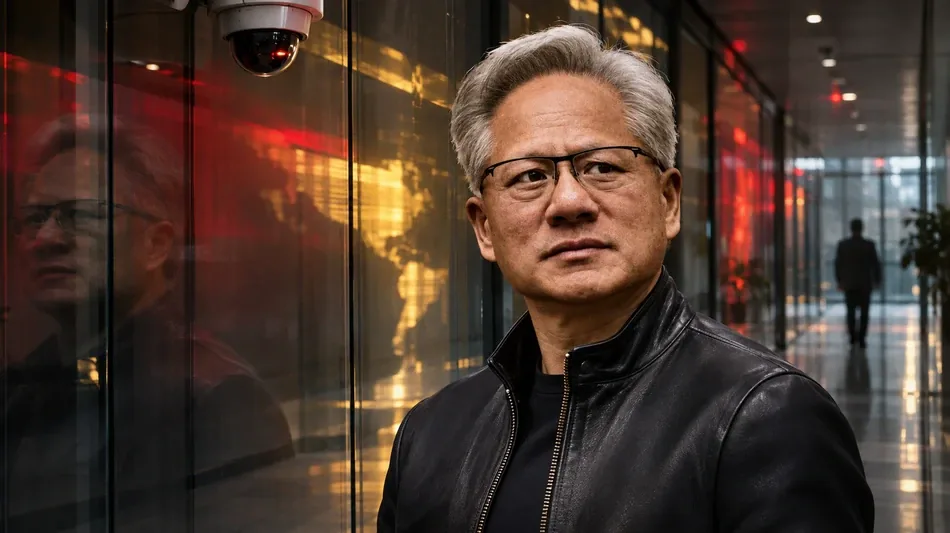
Nvidia faces scrutiny over alleged Chinese intelligence link to Jensen Huang
 Early Black Friday Walking Pad Deals: Urevo and WalkingPad Discounts
 Radical Numerics develops offline AI tool to detect engineered pathogens
 Kiara Advani Reveals Sidharth Malhotra’s Reaction to Toxic Backlash
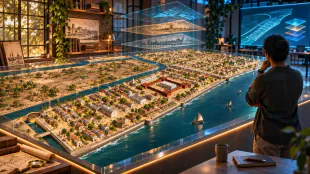
 Four firms compete to design Chennai’s model mobility corridors

 Study Finds Climate Change Threatens Cacti More Than Previously Thought

 एलेक्स बोडी और SCANDIC PAY: Mastercard और VISA कार्ड — भुगतान की नई पीढ़ी

 АЛЕКС БОДИ и SCANDIC PAY: карти Mastercard и VISA — ново поколение разплащания
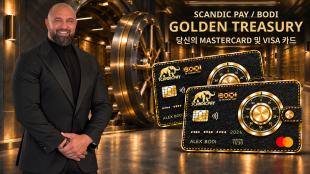
 أليكس بودي وSCANDIC PAY: بطاقات Mastercard وVISA — جيل جديد من المدفوعات
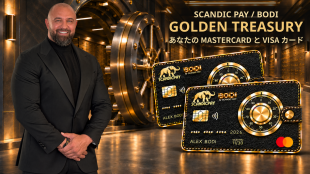
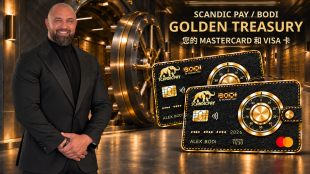 ALEX BODI 與 SCANDIC PAY:Mastercard 與 VISA 卡——新一代支付方式
 ΑΛΕΞ ΜΠΟΝΤΙ και SCANDIC PAY: κάρτες Mastercard και VISA — μια νέα γενιά πληρωμών
 АЛЕКС БОДІ та SCANDIC PAY: картки Mastercard і VISA — нове покоління платежів

 ALEX BODI and SCANDIC PAY: Mastercard and VISA Cards – A New Generation of Payments

 Maswanganyi Clarifies Pirates Allegiance Amidst Career Transition

 Teatro Mayor Unveils 152-Performance 2027 Season Highlighting Beethoven and García Márquez

Nvidia and its chief executive, Jensen Huang, are facing scrutiny after published reports alleged that Huang had a relationship with Alice Huang, a former executive at Singapore-based cloud provider Megaspeed whom US intelligence agencies suspected of assisting Chinese intelligence.
Nvidia and its chief executive, Jensen Huang, are facing scrutiny after published reports alleged that Huang had a relationship with Alice Huang, a former executive at Singapore-based cloud provider Megaspeed whom US intelligence agencies suspected of assisting Chinese intelligence. Alice Huang is not related to Jensen Huang. The alleged relationship reportedly began sometime between 2024 and 2025. US officials were said to have warned senior members of the administration that they believed Alice Huang was an intelligence asset connected to China’s Ministry of State Security. An asset is an outside person who assists an intelligence service and is not necessarily an employee or officer of that service.
Nvidia’s board opened an investigation and said it had no reason at that stage to believe national-security information or company secrets had been compromised. China rejected the allegations as unfounded, while Megaspeed said US authorities had found no evidence that it had illegally transferred chips or engaged in unlawful activity. The claims have drawn particular attention because Nvidia’s processors are central to the global artificial-intelligence industry and are subject to US export controls. Megaspeed operates cloud services built around advanced chips and is a significant Nvidia customer in the Asia-Pacific region.
US officials have long treated Chinese economic espionage as a major counterintelligence risk. Western governments have documented attempts to obtain military designs, industrial processes and commercial technology, while security agencies have repeatedly warned that personal relationships can be used to develop or pressure targets. French officials were warning about alleged Chinese "honey trap" operations by 2011, including a case involving a pharmaceutical researcher who was reportedly seduced and later blackmailed. In the United States, investigators previously examined the activities of Fang Fang, a Chinese national who cultivated relationships with politicians in the San Francisco Bay Area, including then-Representative Eric Swalwell. She was not charged.
Technology executives travelling to China commonly use temporary phones and computers to reduce the risk of surveillance or malicious software. During a 2012 trip, then-Defense Secretary Leon Panetta’s team was advised to take additional precautions because of possible monitoring in hotel rooms. The US government later barred personnel working in China and Hong Kong from romantic or sexual relationships with Chinese citizens. American officials and allied governments have also warned that Chinese intelligence services use professional networking platforms, including LinkedIn, to approach executives and recruit sources.
The controversy intersects with Washington’s policy on advanced semiconductors. The Biden administration imposed broad restrictions intended to slow China’s access to leading AI chips. Jensen Huang subsequently urged the Trump administration to loosen those controls, arguing that restrictions could weaken US companies while encouraging Chinese competitors. President Donald Trump said publicly that he had not known Alice Huang was suspected of espionage and that Jensen Huang told him he had no idea she might be a spy. Published reports, however, said Secretary of State Marco Rubio briefed Trump in May, shortly before Jensen Huang joined the president on an Air Force One trip to China.
Jensen Huang had been publicly linked to Alice Huang since at least 2024, and her husband, Kang Weigh, reportedly knew the Nvidia chief from the 2010s. Huang hired crisis-communications firm Risa Heller in 2025. Rubio was also reported to have helped prepare a classified administration memorandum warning officials about the potential security implications of the relationship. The matter is expected to prompt questions in Congress about when Trump and other senior officials were briefed, what steps they took, whether Nvidia received a warning and whether intelligence agencies attempted to limit Alice Huang’s access to the company or its chief executive.
Megaspeed’s commercial relationship with Nvidia adds another layer to the inquiry. Reports had circulated for at least a year that US officials were examining whether the cloud provider diverted chips to Chinese intelligence organizations. Megaspeed has denied illegal activity. Subsidiaries of Megaspeed reportedly bought Nvidia processors worth billions of dollars. A US government-requested audit in 2025 initially could not account for about 50,000 chips purchased by the company, although the available reporting did not establish that the processors had been transferred unlawfully.
Huang and Trump developed a close professional relationship while the Nvidia chief advocated changes to export policy. They met several times, and the administration relaxed some Biden-era restrictions. Huang donated $25 million to Trump’s White House ballroom project. During a presidential trip to Beijing with technology executives including Elon Musk and Tim Cook, Air Force One made a stop in Alaska to collect Huang. He later attended a White House state dinner for Chinese President Xi Jinping and received the National Medal of Science from Trump.
The allegations have created financial and governance risks for Nvidia even though no compromise of company information has been established. Nvidia shares had risen about 600 percent over five years, making the company the world’s second most valuable, but fell by roughly one-quarter during the month in which the controversy emerged. Potential shareholder lawsuits and the board investigation could examine whether company policies were followed and whether investors were adequately informed. Corporate boards have become less tolerant of undisclosed executive relationships, particularly when they create conflicts of interest or security concerns.
The wider counterintelligence context includes repeated accusations that Chinese operations obtained designs for US military aircraft, solar technology and commercial manufacturing processes. Security officials view advanced semiconductors as especially sensitive because the same processors used for commercial AI can support military research, surveillance and intelligence analysis. Previous relationship-based intelligence cases have produced criminal investigations even when prosecutors could not prove economic espionage. In one recent US case involving a former adviser, the defendant was acquitted of an economic-espionage charge but convicted of making false statements to investigators. Such cases illustrate the legal and reputational exposure that can arise from incomplete disclosure.
Nvidia’s board must also consider standards applied elsewhere in corporate America. Executives at companies including Nestlé, Kohl’s, BP, NBCUniversal and Norfolk Southern have left their positions in recent years after relationships that violated internal rules. Any decision in Huang’s case would also have to account for Nvidia’s unusual importance to US technology policy and the AI supply chain. The central factual questions remain unresolved: whether Alice Huang knowingly assisted Chinese intelligence, whether Jensen Huang knew of any such connection, whether sensitive information was exposed and what US officials did after receiving intelligence warnings. Nvidia, Megaspeed, the administration and congressional investigators may face continued scrutiny as those questions are examined in the coming months.
A.Mahlangu--AMWN