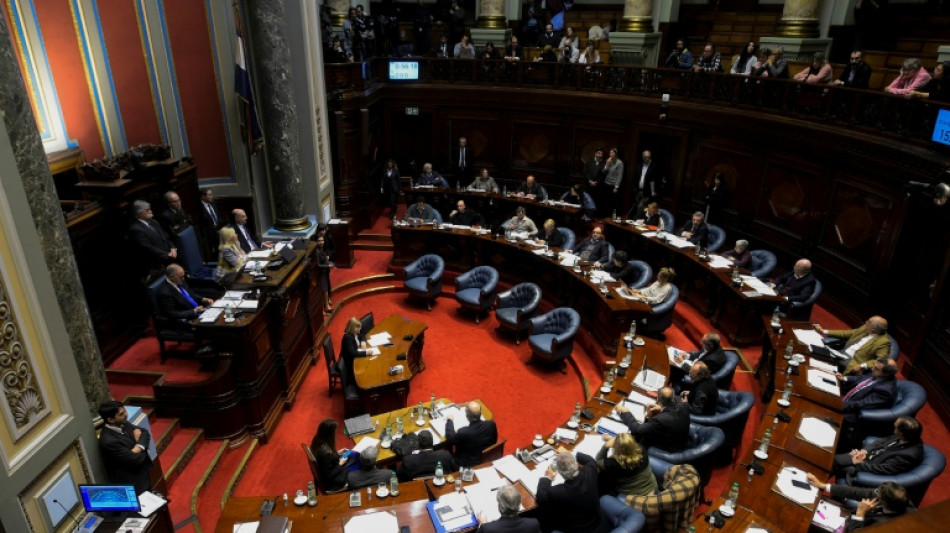
Argentina, Uruguay ratify EU-South America trade deal / Photo: Dante Fernandez - AFP
 Ships attacked in Gulf as Trump extends Iran ceasefire
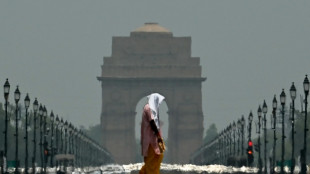
 Pakistan's capital holds its breath with US-Iran talks in limbo

 Sakib Hussain: IPL quick whose mum sold her jewellery to fund cricket dream

 NASA unveils new space telescope to give 'atlas of the universe'

 The tiny, defiant Nile island caught in the heart of Sudan's war
 Oil falls, stocks mixed as traders weigh outlook after Trump extends truce

 Stadium that was symbol of NZ post-quake rebuild to hold first match

 Chinese carmakers aim to build up presence in Europe
 Fiji villagers reject plan for 'Pacific ashtray' in beach paradise
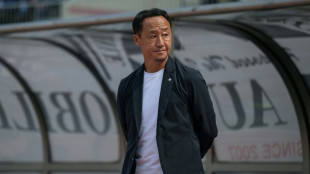 Japanese minnows one win from fairytale Champions League title

 Blazers rally stuns Spurs after Wembanyama injury

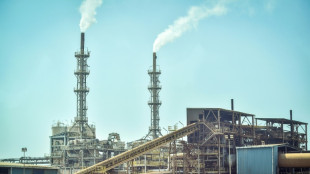 Delicate extraction: Malaysia offers rare earths alternative to China

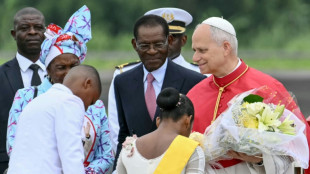 Pope to visit prison on final leg of Africa tour
 India strangles final Maoist bastion as mining looms

 Indonesia orangutan forest cleared for 'carbon-neutral' packaging firm

 One month phone-free: Young Americans try digital detox
 Rome summons Russian ambassador over insults against Meloni
 Revolve Accelerates Growth of Distributed Generation Portfolio with Definitive Agreements for 9 New Solar Projects in Mexico

 Cashmere Valley Bank Reports Quarterly Earnings of $5.8 Million

 Nanomerics Secures US Patent Extending MET Platform Protection to the 2040s

 SpaceX partners with AI startup Cursor, may buy it for $60 bn

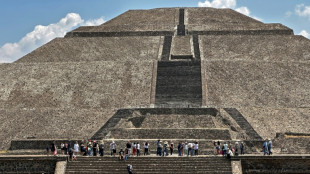 Mexico pyramid shooter planned attack, fixated on US massacre

 Rosenior blasts Chelsea flops after 'unacceptable' Brighton defeat

 Lens sweep past Toulouse to reach French Cup final

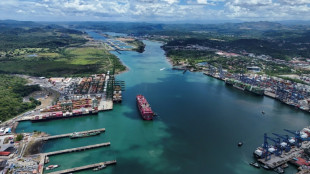 Strait of Hormuz blockade drives up costs at Panama Canal
Argentina on Thursday became the second South American country to ratify a massive trade deal with the European Union that has generated enthusiasm from Brasilia to Buenos Aires but sparked protests and legal challenges in Europe.
Argentine senators voted 69-3 in favor of the agreement to create one of the world's biggest free trade zones, sealing its adoption days after it passed the lower house.
Hours earlier, neighboring Uruguay was first out of the blocks to ratify the deal, which has been fiercely opposed by farmers in some EU countries.
It still requires approval from lawmakers in the European Parliament, which referred it to the EU's top court within days of being inked in January.
The deal between the EU and the four founding members of the Mercosur bloc -- Argentina, Brazil, Paraguay and Uruguay -- was a quarter century in the making.
It eliminates tariffs on more than 90 percent of trade between the two blocs, which together account for 30 percent of global GDP and more than 700 million consumers.
The South Americans have moved to quickly enshrine it in their legislation, in an apparent bid to pressure Brussels to follow suit.
In Brazil, the lower house of parliament backed it by a large majority on Wednesday.
Paraguay has also moved to ratify it.
The accord, which was energetically promoted by EU chief Ursula von der Leyen and Brazilian President Luiz Inacio Lula da Silva as well as the leaders of Germany and Spain, aims to boost EU exports of vehicles, machinery and wines and spirits.
In return, South American producers of meat, sugar, rice, honey and soybeans gain easier access to one of the world's largest economies.
Brussels can decide to implement it provisionally while waiting for an EU court ruling on its legality, but has not yet taken a decision on doing so.
South American countries in the meantime are ploughing ahead.
Uruguayan Foreign Minister Mario Lubetkin hailed his country's ratification on Thursday as "a signal" to Europe, which the South Americans have accused of foot-dragging.
Argentine Senator Francisco Paoltroni hailed the accord as representing "the path to the definitive development of our republic."
Some EU nations hope the pact that could help boost exports at a time of global trade tensions.
France, however, unsuccessfully tried to block the deal over concerns for its farmers, who fear being undercut by cheaper goods from Brazil and its neighbors.
The European Commission reacted to those concerns by adopting a series of safeguards for its producers.
H.E.Young--AMWN