SMX and The Age of Parity: The Affordability Solution Hiding in Recycled Plastic
 LeBron, Sixers spoil Knicks party as NBA season tips off

 Man in court over alleged 'targeted' attack on Australian lawmaker

 Regulator has 'power' to force Man City sale

 Man allegedly behind 'targeted' attack on Australian lawmaker appears in court

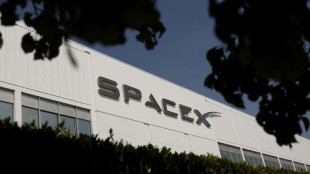
 Musk backs SpaceX-Tesla merger as rocket firm turns profit

 Zelensky, US hail 'productive' talks to end Trump feud

 'Unbelievable' Foden back in the groove with treble in Man City rout

 Pistons rally to beat Celtics in NBA 2026-27 season opener

 PSG late show downs Barca in Champions League, Liverpool fight back

 Liverpool strike back to beat Villarreal in seven-goal thriller

 Dow boosted as markets rotate from tech shares

 Zelensky hails resumption of US advance warning of strikes on Ukraine

 Carrick says only wins can ease doubts over Man Utd future

 Top NBA Draft pick Dybantsa to miss opener with ankle sprain

 Italy sends troops, toughens security laws after Milan clashes

 Alberta separatists vow to fight on, risking turmoil for Canada

 Two men re-arrested for suspected spying for Iran in airbase scare: UK police

 Guatemalan man gets 30 years for truck smuggling deaths of 53 migrants

 'Clayface' gets under the skin of the superhero genre

 Zelensky, US envoys hold Oslo talks as Ukraine claims US missile holdup

 All-rounder Minhas stars as Pakistan crush England in tri-series

 Bavuma hits 179, Rabada strikes as South Africa dominate

 Allrounder Minhas stars as Pakistan crush England in tri-series

 Albania PM blames 'hybrid war' for week of unrest

 Bavuma hits 179 to lead South African fightback

NEW YORK, NY / ACCESS Newswire / June 8, 2026 / Plastic has always been treated as cheap, plentiful, and easy to replace. That assumption is starting to look outdated.
The reason is simple: most virgin plastic is still tied to oil and gas. When energy markets spike, when war disrupts supply, when shipping costs rise, or when tariffs and regulation add pressure, the cost does not stay trapped inside the petrochemical industry. It moves into packaging, consumer goods, food, medicine, retail, logistics, and household budgets.
With oil again testing the $100-a-barrel threshold, that pressure becomes impossible to ignore. Virgin plastic can reprice quickly because its economics are still tied to fossil-based inputs. That means an energy shock does not end at the pump. It can move through the plastic supply chain and show up in the price of groceries, medical supplies, retail packaging, household goods, and everyday essentials.
That is why recycled plastic is entering a different phase. It is no longer just a sustainability option or a corporate-responsibility talking point. In a volatile economy, it can become a practical affordability tool.
SMX calls this shift the Age of Parity - the moment when certified recycled material begins to compete directly with virgin material not because it sounds better, but because the economics start to make sense.
The missing piece has always been proof. Recycled plastic has value only if companies can verify what it is, where it came from, how much recycled content it contains, and whether it can withstand real industrial use. Without that proof, recycled content is too easy to question, too easy to discount, and too difficult to scale.
SMX's technology is designed to solve that problem. By embedding molecular markers into materials, SMX gives plastic a persistent identity that can survive sorting, processing, recycling, manufacturing, and reuse. That identity can then be connected to a digital material passport, creating an audit-ready record of the material's origin, composition, movement, and certification.
That changes the role of recycling. It turns recycled plastic from a claim into a certified input. It gives manufacturers a way to source material with documented content. It gives brands a way to defend recycled-content claims. It gives regulators a way to audit supply chains. And it gives the market a reason to value recycled material as real economic supply.
The timing matters. Consumers are already absorbing higher costs across everyday categories. Packaging, food, healthcare, household goods, and retail products all depend on plastic in some form. When virgin plastic becomes more expensive, the pressure eventually reaches the checkout aisle.
Certified recycled plastic offers a counterweight. It does not eliminate volatility, but it gives companies another verified source of material - one less directly exposed to the oil-price cycle. That can help protect margins, stabilize sourcing, and reduce the pressure to pass every cost increase down to consumers.
That is the larger point behind SMX's Age of Parity. Recycled plastic is not becoming important because the world suddenly wants a better slogan. It is becoming important because the old economics are breaking.
In the next material economy, proof will matter as much as supply. Materials will need identity. Claims will need evidence. Recycling will need certification. And affordability will depend on whether industries can separate material value from oil-market volatility.
For SMX, that is the opportunity: to make recycled plastic trusted, traceable, certifiable, and economically useful at scale.
The next plastic boom will not be built only on virgin supply. It will be built on proof. And increasingly, it will be recycled.
Contact: Billy White/ [email protected]
SOURCE: SMX (Security Matters) Public Limited
View the original press release on ACCESS Newswire
F.Dubois--AMWN