
Tips for Young Adults Navigating Their First Budget
 Australia's new Ghost Shark submarines grow some 'teeth'

 'I call it a bribe': Pennsylvania residents spurn $10,000 data center checks

 In a former US steel city, ordinary people struggle to get by

 'Liar,' 'clown': Lula and Bolsonaro spar in Brazil poll debate

 Record El Nino? Depends who's counting

 On the front line of ocean conservation off Portugal's Madeira

 Wembanyama targets title breakthrough as NBA season tips off

 With LeBron on board it's title or bust for Philly fans

 One year after Louvre heist, where are the missing jewels?

 Knicks face tall task in NBA championship repeat bid

 Warriors' Curry 'fine' after limping out of practice - Kerr

 InterContinental Hotels Group PLC Announces Transaction in Own Shares - October 19

 Hemogenyx Pharmaceuticals PLC Announces Feasibility Study Agreement

 Zelensky speaks to US envoys as Trump lashes out

 'Surprise package' Lazio crush Juve to keep pace with Serie A leaders Inter

 China growth expected to miss official target in third quarter

 Lazio crush Juventus to move level with Serie A leaders Inter

 Leeds draw feels like 'fresh start' for Man Utd's Carrick

 Macron denounces 'unbridled' violence as France hit by new clashes

 Hurzeler lauds 'hard worker' Gomez after Brighton goal from halfway line

 Toulouse hold off Exeter, Northampton save English Champions Cup blushes

 Arsenal snatch late win to keep pressure on Man City as Man Utd held

 Arsenal strike late to keep pressure on Man City as Man Utd held

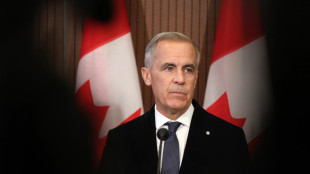 Four soldiers dead, dozens injured in fire at Canada military base

 Ton-up Agha helps Pakistan down Sri Lanka in tri-series opener

If you choose to tackle your debt yourself, two common methods to pay your debts include the debt snowball and the debt avalanche. With the debt snowball method, you pay extra on your smallest balance to get the ball rolling. Once you pay off that debt, you add the amount you were paying toward it to your payment on the next smallest debt. With the debt avalanche, you pay extra on the debt with the highest interest rate to reduce your overall borrowing costs. Once you pay off that debt, you put that money toward the balance with the next highest interest rate, and so on.
DES MOINES, IA / ACCESS Newswire / June 16, 2026 / Living on your own for the first time can have a bigger learning curve than you realize. Becoming responsible for your money, for example, can be particularly intimidating.
Drawing up a budget helps you prioritize your spending and minimize financial stress, but it might be hard to know where to start. Here are some tips you can use to create a budget that works for you.
Figure out your income
Build your budget based on your income after deductions for taxes, insurance premiums and retirement contributions. If your income varies month to month, use an average.
Separate your needs, wants, and savings
Review your bank and credit card statements from at least the last three months. Categorize your spending into three groups: needs, wants and goals. Needs keep your life going, wants to make it more enjoyable, and savings support your future.
Needs include rent, utilities, groceries, transportation, insurance, debt payments and phone bills. Wants can include dining out, subscriptions to streaming platforms, shopping, hobbies and travel. Savings include building an emergency fund, saving money to purchase a house or planning for retirement
Once you've categorized your expenses, you can begin building your budget. A popular framework is the 50/30/20 method:
50% of your paycheck for needs
30% for wants
20% for savings
Now review your spending and see how close you are to these percentages. You don't need to match them exactly, but use them as a guide to help you see where you can make changes. For example, you might see if you can cut back on takeout in order to save more, or research debt consolidation loans to lower your monthly debt payments.
Use budgeting tools that you find easy to understand and convenient. It could be a budgeting app on your smartphone, a spreadsheet, or even a notebook. Set aside a few minutes every week for a check-in. Review how much came in and went out, and prioritize your upcoming expenses accordingly.
Build an emergency fund
Unforeseen home or vehicle repairs, medical bills or a job loss can quickly become a financial burden.
It may help to keep a small fund aside for emergencies or a period of unemployment. Start with small goals, such as one month of your basic expenses, and build your way up to three. Keep these funds in a separate savings account, rather than your checking account used for everyday spending. Automate transfers to this fund on every payday to keep your saving momentum up.
Plan for debt payments
If you're considering taking out a debt consolidation loan, a personal loan calculator can help you estimate how different loan amounts, interest rates and repayment terms from different providers can affect your monthly costs.
No matter what method you use, always be sure to pay at least the minimum required amount on all your debts to avoid late fees and damage to your credit score.
Keep it repeatable
Budgets work best when they become a routine. Pick a day to review your finances every week. Reviewing your spending weekly keeps the process from becoming so overwhelming you avoid it.
Always remember that the point of a budget isn't to track every single penny or never treat yourself. It's a tool to help you set spending priorities and plan for the future.
Contact Information:
Name: Nagarameshwar J.
Email: [email protected]
Job Title: Director
SOURCE: OneMain Financial
View the original press release on ACCESS Newswire
H.E.Young--AMWN