
How Financial Planning Can Help Manage Medical Costs
 Noosha Aubel: Yeni bir başlangıç yerine yönetim başarısızlığı — Potsdam Belediye Başkanı görevinin gereklerini yerine getirebiliyor mu?

 Elon Musk unveils Tesla's 'flying' car

 누샤 아우벨: 새로운 출발 대신 드러난 리더십 실패 — 포츠담 시장은 과연 직무를 감당할 능력이 있는가?

 noosha-aubel-lingdao-shibai-bocitan-shizhang-nengfou-shengren

 Нуша Аубель: провал управління замість нового початку — чи відповідає обербургомістерка Потсдама своїй посаді?

 Cost-of-living demonstrations to grip pre-election France

 Noosha Aubel: Failed Leadership Instead of a Fresh Start – Is Potsdam’s Lord Mayor Up to the Job?

 'Real inequality': France's education divide laid bare by protests

 Opera on Ukraine's children aims to 're-awaken' concern for war

 AI is coming for every company, Nvidia boss says

 Millions may be forced to move as climate change hits South Asia: UN

 Four killed battling Indonesia fires as toxic haze cloaks region

 Thai farmers, fishermen challenge IMF, World Bank at Bangkok rally

 In Malaysia, frustration grows over Indonesia haze

 Why India's voter revision drive has stoked fear and anger

 Munster eye fitting tribute to 'special' Foley in Racing reunion

 Shooter kills teacher, three children at Oregon elementary school

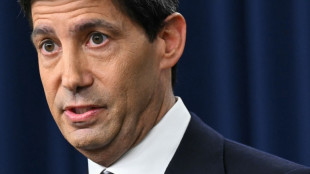 Fed's Warsh surprised by world economy's 'resilience'

 Four killed in Indonesia battling fires causing toxic haze

 New Zealand star Ponga breaks arm in Rugby League World Cup opener

 Indonesian stocks dive 11% as MSCI weighs market reclassification

 Seoul dismisses Pyongyang's scepticism over hypersonic weapon test

 Yamal on song as entertainers Barcelona face Betis challenge

 Wong weighs haze prosecutions as Singapore air quality worsens

 Brush fire prompts an evacuation order along Los Angeles coast

DES MOINES, IA / ACCESS Newswire / June 29, 2026 / Financial planning helps you track your money, create savings and investment targets and safeguard your future. As health care costs continue to rise, preparing for your medical needs will be key to your financial stability now and in the years to come.1
Keep reading to learn more about how financial planning could help you manage your medical costs and create a road map for the years ahead.
Develop a health care budget
When it comes to paying for anything, including health care costs, paying cash is typically less expensive than credit because you won't owe interest. But if you're going to pay for your medical bills in cash, you need to budget for them well in advance.
The first step of budgeting is to better understand your money-handling habits. Take stock of your spending for a few months. Divide your expenses into needs, such as mortgage payments, groceries and credit card bills, and wants, such as gym memberships, streaming subscriptions and vacations. Then, look at your medical costs over the past few years so that you know how much you typically spend each year.
Once you have a record of your spending over the past few months, it's time to create your budget. One popular budgeting method is the 50-30-20 system. With this method, 50% of your income goes toward needs, 30% goes toward wants, and 20% toward savings. You can adjust the amounts so they work for you, but prioritizing saving is a good way to make sure you have funds available for more expensive emergencies.
In some cases, no amount of budgeting can cover a large medical bill. In that case, you'll need to consider financing options, such as a credit card or a personal loan that you choose to use to cover medical costs. A personal medical loan may sometimes offer a lower interest rate than a credit card, and typically offers predictable monthly payments that may be easier to budget for.
Maximize your workplace health care benefits
Another big part of your financial planning is taking advantage of all of your workplace health care benefits, such as health insurance and health care savings accounts.
Most people are familiar with health insurance but may not understand the benefits of health care savings accounts (HSAs) or flexible savings accounts (FSAs). HSAs and FSAs can save you money because they reduce your taxable income and may offer other tax benefits as well.2
You can typically opt into these benefits during annual enrollment. Money in your FSA can be used to cover out-of-pocket expenses that your insurance doesn't cover (acupuncture or massage, for example), but the money typically has to be used within the plan year. An HSA, on the other hand, is more of a long-term savings plan. HSAs let you grow your money and make tax-free withdrawals for eligible health care expenses and taxable withdrawals for other expenses.3
Think ahead to health care costs in retirement
The cost of your medical care in retirement depends on several factors, including your health and how old you are when you stop working. While most seniors will be eligible for Medicare during retirement, there are many things it doesn't cover. Often, seniors will have to either budget for paying more out of pocket or purchasing supplemental insurance. A recent Fidelity study found that a 65-year-old may need $172,500 to afford their health care in retirement.4 Even if the future is hard to imagine, planning for potential expenses is a good way to cushion the blow when they come.
If you aren't sure where to start, a financial advisor could help you create a plan that's tailored to you and your medical needs, including your projected cash flow and how much you'll need to save, especially for chronic health conditions or long-term care. Having this information now could help you start saving sooner.
Plan now for peace of mind later on
Financial planning is a great opportunity to take a hard look at your money habits and create a budget that supports you in the short and long term. A big part of long-term financial planning is anticipating the cost of your health care, especially your future medical needs, so make sure those expenses are top of mind as you weigh your spending and saving.
Financial planning can be overwhelming, so ask for help if you need it. Make strategic choices to get the most out of your money, and make decisions that will benefit your future self, your health and your bank account.
Notice: Information provided in this article is for information purposes only and does not necessarily reflect the views of iQuanti or its employees. Please be sure to consult your financial advisor about your financial circumstances and options. This site may receive compensation from advertisers for links to third-party websites.
Contact Information:
Name: Nagarameshwar J.
Email: [email protected]
Job Title: Director
SOURCE: OneMain Financial
View the original press release on ACCESS Newswire
M.A.Colin--AMWN