Dodging fuel price hikes, Damascus drivers turn to electric cars / Photo: LOUAI BESHARA - AFP
 Apple TV crime drama Nocturne brings a Scandinavian thriller to Pennsylvania

 Charity crowdfunds millions to buy historic English estate

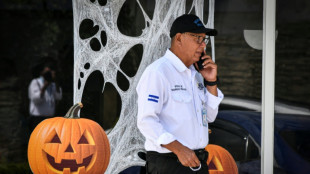 'Diabolical' Halloween festivities banned in Honduran towns
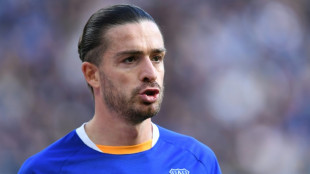 Everton boss Moyes backs 'club decision' to drop Grealish for Newcastle tie
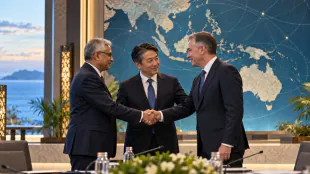
 DoorDash shares rise as Instacart slips following $17 billion takeover plan

 Japanese star Forever Young goes for rare Breeders Cup Classic repeat

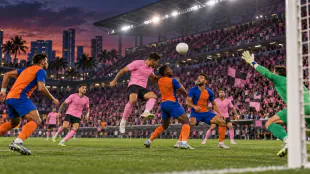 Inter Miami stay third after 2-2 draw with FC Cincinnati

 Inkle buys Finally bookkeeping unit and expands India-based workforce
 PI Industries plans Indian launch of Pioxaniliprole insecticide this rabi season
 Small-market Brewers upend big-spenders as baseball lockout looms
 ISRO schedules NVS-03 navigation satellite launch for Friday

 Antonelli struck with illness ahead of Mexico GP
 Google drags down US stocks as Lagarde signals early ECB exit
 Kuwait minister and Blind Association discuss support for visually impaired people

 'Star Trek', 'X-Men' star Patrick Stewart dead at 86

 Kuwait traffic authority cautions against hazard lights while driving in rain
 Germany's Zverev becomes tennis world No. 1
 Grealish dropped for Everton's League Cup tie after disciplinary breach
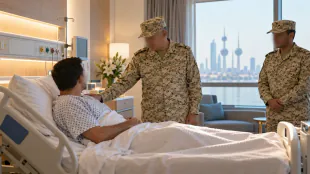 Kuwait National Guard official visits member injured during training

 Machado says Trump opened 'floodgate to freedom' for Venezuela
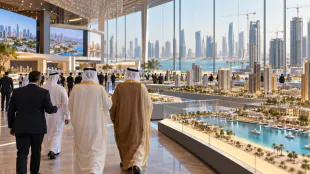
 CNN Global Perspectives prepares Doha debut with international speaker lineup
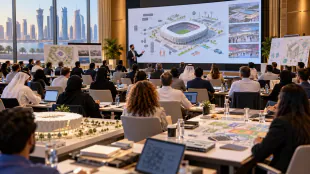 Qatar Olympic Academy completes record sports management course
 Jazeera Paints showcases housing solutions at Build Your House 2026 in Qatar

 French shooting suspect targeted Muslims, Africans: prosecutor
 Es’hailSat and Arabsat agree broader satellite and broadcasting cooperation
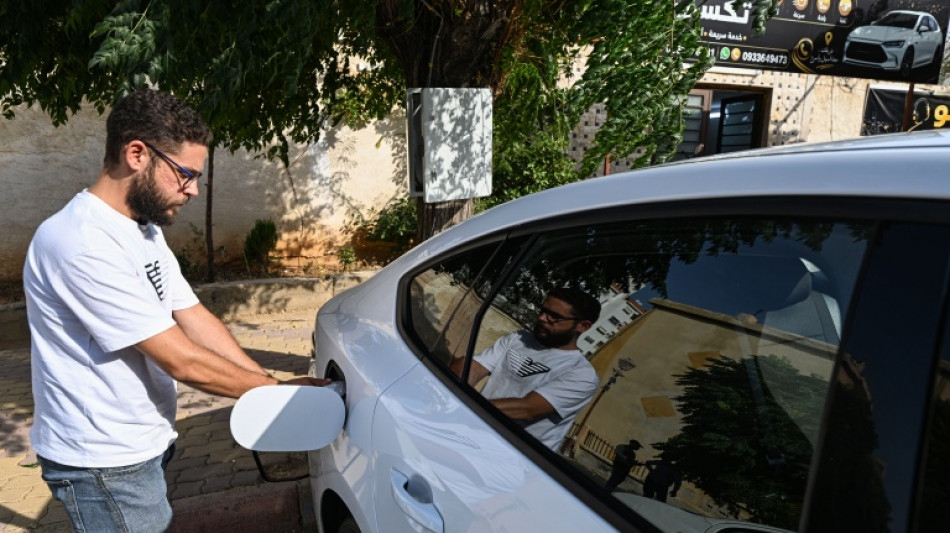
Taxi driver Mohammed Kanaan drives his shiny new electric car around Damascus's rundown streets, hoping for higher profits as spiking petrol prices made his old car too expensive to run.
He is among some in the Syrian capital who are steering towards electric cars -- mostly Chinese-made -- after repeated fuel shortages during the country's civil war and petrol price hikes, most recently due to the Middle East war.
"I used to have a car that ran on petrol but lately fuel quality has been low and prices have gone up," said Kanaan, 42, who had barely been covering his operating costs.
"In the end, I decided to buy an electric car and set up a charging point," he told AFP.
Before the overthrow of longtime ruler Bashar al-Assad nearly two years ago, it was rare to see modern cars in Damascus, particularly after civil war erupted in 2011.
The economy tanked, and imports of new vehicles screeched to a halt due to Western sanctions, which have largely been lifted since the new authorities took power.
When the new authorities came to power and reduced tariffs, some 100,000 cars were imported, before they halted imports of used cars due to concerns over quality.
Not all Syrians can afford to make the switch to electric, with the percentage remaining negligible as most still live in poverty.
- Sub-par petrol -
Some Syrians took to the streets in protest last month after petrol costs jumped by 26 percent following a government decision to increase prices amid global surges due to the regional conflict.
Kanaan said his old gas-guzzler needed $26 worth of petrol to drive around 200 kilometres (around 125 miles), but he can now cover the same distance for around $6 by charging his car through the state power grid.
During the civil war, Damascus experienced lengthy power cuts, but supply has improved in recent months as authorities seek to revive the economy and ailing infrastructure.
Still, some people with electric cars have set up solar charging stations to dodge the problem altogether.
Other issues persist. Drivers told AFP that a few weeks earlier, a batch of poor-quality petrol caused problems and breakdowns for hundreds of cars.
The energy ministry subsequently said the sub-par petrol had reached markets due to an "operational error", pledging accountability and compensation for affected motorists.
Syria depends partly on imported petrol, leaving its people susceptible to shortages and long lines at stations.
Citing energy ministry figures, state news agency SANA said last month that Syria's average daily petrol supply was around 2.32 million litres, around a third of it imported.
- 'Everybody is happy' -
Walking between vehicles at his family company's showroom outside Damascus, Hamza Sukkar, 25, said electric car purchases had accelerated recently.
"For around eight months, the demand for electric cars and plug-in hybrid vehicles has increased due to the rise in petrol prices and its low quality, pushing people to turn to electric cars," he told AFP.
The cheapest petrol-powered car in his showroom costs more than $12,000, while the electric cars start at $9,000, making them an increasingly attractive choice.
"We now sell three to four electric cars for every petrol-powered car," Sukkar said.
This reflects global figures, where one in four new cars sold worldwide in 2025 was electric, according to the International Energy Agency.
Though Syria as a whole is far from that proportion, the market for electric cars is growing rapidly.
Transport companies are also noticing a shift in gear.
At the headquarters of YallaGo!, a leading ride-hailing app in Damascus, local operations manager Rami al-Hamad said "the number of electric cars registered with us has risen by around 20 percent" in recent months.
He attributed the change to "lower operating costs compared to running petrol-powered cars", allowing drivers a chance of higher profits.
But many Syrians lack the funds to buy the cars in the first place, while ensuring regular charging and maintenance can also be a challenge, Hamad noted.
Taxi driver Ahmed al-Lahham, who has been using an electric car for three months, was among those who appeared satisfied with the change.
"Electric cars are new and economical. Passengers are happy with a new car, and I'm happy with the lower costs... so everybody is happy," he said.
P.Martin--AMWN