Why is India's largest insurer being listed?
 Jorge Jesus to take over as Portugal coach after World Cup exit

 Ebola outbreak is 'fastest growing ever' as 600 die

 Stocks shrug off tensions to rise on renewed tech interest
 Hong Kong welcomes dogs into restaurants, to pet owners' delight

 England recall Slade for Fiji as pressure mounts on Borthwick
 Lock Petti to become latest Argentina centurion in Nations Championship Test

 EU parliament greenlights digital euro

 Two thirds of EU faced harmful ozone levels during heatwave: report

 Russia to take on World Athletics at CAS over ban

 600 dead in DR Congo Ebola outbreak

 'Total Eclipse' singer Bonnie Tyler, queen of the 80s power ballad, dies at 75

 Myanmar names Norwegian Andersen as head of national team

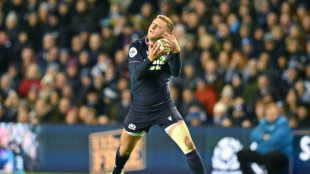 Russell back as Scotland tackle world champions South Africa

 Tour de France yellow jersey protocol: 90 minutes of 'stress'

 Crude stabilises after US-Iran flare-up rocked peace hopes

 Playmaker Jalibert moves to fullback as France swing axe for Australia clash

 Australian sprint star Gout out of U20 worlds with hamstring tear

 Unions to protest as Volkswagen thrashes out job cut plans

 Teeth bared in Greece's bear-human showdown
 Alpacas, mini pigs on the loose after floods hit south China zoo
 All Blacks make five changes for Italy Nations Championship clash

 Western Europe records its hottest June as heatwaves surge: EU monitor
 Fashion's mystery man Margiela sells off his archives
 Nuclear test-scarred Marshall Islands criticises China missile
 Chip titan SK hynix to set price for mega US listing

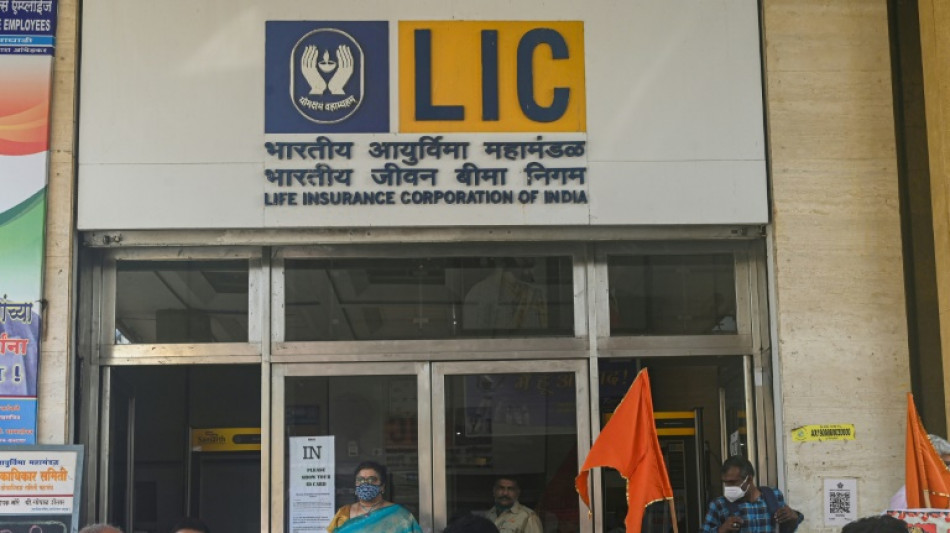
India is embarking on the blockbuster listing of the country's largest insurer as part of a wider privatisation drive to bolster public coffers drained by the coronavirus pandemic and fund new infrastructure.
While the pricing has not yet been set, analysts expect the IPO of the Life Insurance Corporation of India (LIC) to be India's largest to date, potentially earning the government more than $10 billion.
After the listing, which is expected in March, LIC will be one of India's biggest publicly listed companies alongside giants such as Reliance and TCS.
- How big is the firm? -
LIC was created in 1956 and was synonymous with life insurance in post-independence India until private firms were allowed entry in 2000.
The company holds a two-thirds share in the domestic life insurance market. It manages assets of 36.7 trillion rupees ($491 billion), which equates to nearly 16 percent of India's gross domestic product.
It has more than 100,000 employees and one million insurance agents.
LIC's real estate assets include big offices at prime locations in various Indian cities, including a 15-storey building in the southern city of Chennai and a distinctively curved head office in the heart of Mumbai's financial district.
The firm is also believed to own a large collection of rare and valuable artwork that includes paintings by MF Hussain -- known as the Pablo Picasso of India -- although the value of these holdings has not been made public.
- Why is the IPO taking place? -
Asia's third-largest economy was already grappling with a prolonged slowdown even before the start of the coronavirus pandemic. India has recorded its worst recession since independence due to the Covid-19 crisis.
Efforts to contain the spread of the virus, such as through stringent lockdowns, created a significant budget deficit and pushed millions into joblessness and poverty.
The IPO of LIC will give a boost to the government's efforts to raise much-needed cash through privatisations, which are running badly behind schedule.
The government has raised just 120.3 billion rupees by selling stakes in various state-owned entities this financial year, well short of its target of 780 billion rupees.
Srinath Sridharan, an independent markets commentator, likened LIC to one of the Indian government's "family jewels".
- Is it an attractive investment? -
LIC is a household name in India and has a strong grip on the life insurance market in the vast South Asian nation despite the entrance of private players.
The company is offering its millions of policyholders the opportunity to invest in the IPO at a discount, promoting the offer through television advertisements and full-page newspaper ads.
Analysts expect retail investors, including many first-timers, to show strong appetite for snaring a stake in the venerable company.
But there are numerous uncertainties for investors. These include question marks over whether investment decisions can be made by LIC management without interference from the government.
It is also unclear if LIC will be able to retain its market share, with increased competition for younger consumers from more tech-savvy new entrants to the market.
S.Gregor--AMWN