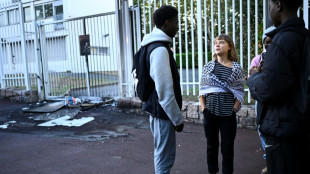
Trump treatment of Columbia puts US universities on edge / Photo: CHARLY TRIBALLEAU - AFP
 Hungary cuts anti-LGBTQ measures from Orban-era law
 Tech stocks slump on AI jitters; oil falls

 ePlanet Brokers Publishes H1 2026 Transparency Report and Highlights Best Broker 2026 Award

 Van Gogh work unseen in public for 60 years on show in Hong Kong
 Prosecutors drop most impeachment charges against Philippine VP Duterte
 Hypersonic weapons highlight arms race on the Korean peninsula
 Fiji appoint ex-Springboks boss White as coach ahead of World Cup

 Hungary to reverse Orban-era anti-LGBTQ legislation
 Allen rushes Bills to thrilling 37-34 win over Rams

 India youth shift tactics as police clamp down on election protest
 Malaysia's Firefly extends flight cancellations due to haze
 IMF upgrades 2026 growth forecast but warns of 'split' outlook
 Infantino could pull off 'Houdini' act as critics struggle for candidate
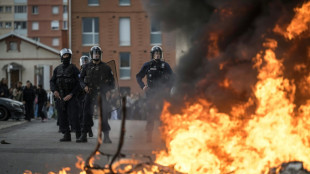 France braces for fresh nationwide student demonstrations
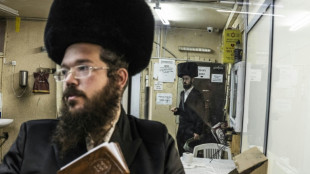 Ahead of Israel vote, desert town becomes frontline against ultra-Orthodox expansion

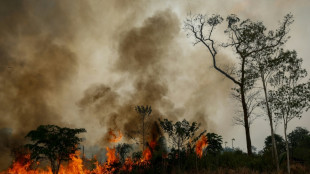 El Nino Watch: the impacts around the world this week

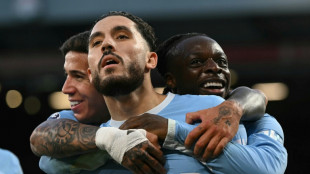 Man City, PSG clash at contrasting time for state-backed projects
 CoTec Holdings Corp. Notes EU Strategic Project Designation for HyproMag GmbH
 Bluejay Achieves Toray Contractual Manufacturing Milestone, Advancing Supply-Chain Resilience and Commercialization Readiness

 Gabe Vigh: The Chief Legal Officer Driving Razavi Law Group's Legal Strategy
 BioChromato Supports U.S. Market Expansion with Bioz Badges and Globally Published Research
 Caledonia Files NI 43-101 Technical Reports on SEDAR+ Supporting August 28, 2026 Mineral Resource Announcements

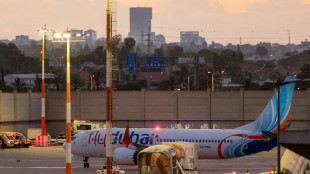 Melbourne imam denies links to suspected flydubai hijacker
 Coventry crush Newcastle to climb out of relegation zone
 'Devastating' waves leave California beach homes on brink of collapse
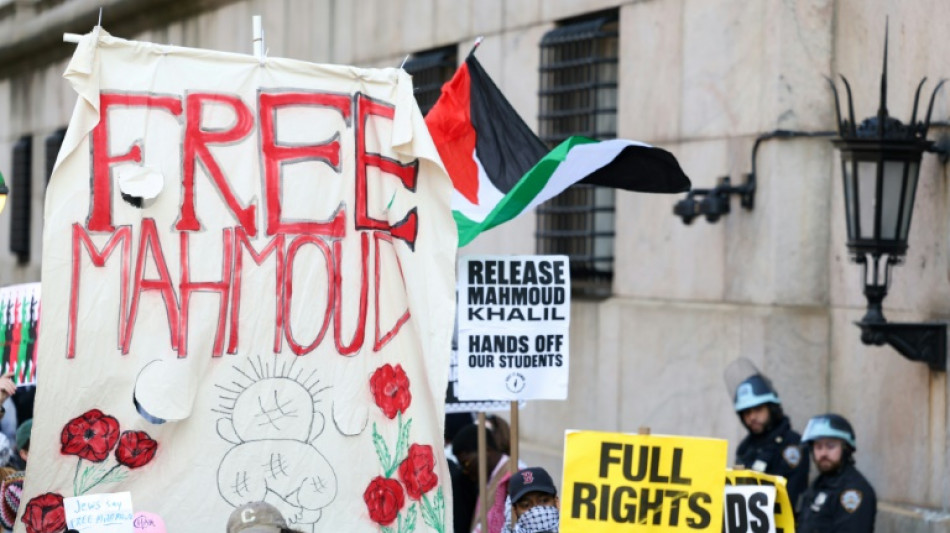
Hit by massive funding cuts and a crackdown on student protesters, Columbia University is under fire from US President Donald Trump, putting the world of higher education on tenterhooks.
The arrest of student activist Mahmoud Khalil has crystallized concerns over freedom of speech under the Republican leader's administration -- and fueled warnings that Trump is out to quell dissent.
Khalil, a US permanent resident with Palestinian roots, recently earned a graduate degree from the prestigious Ivy League school in New York.
But he was detained in early March by plainclothes immigration agents over his role in the student movement protesting Israel's war on Gaza.
Trump has vowed Khalil's detention is the first in a line of arrests to come.
Columbia's student movement has been at the vanguard of protests that have exposed deep rifts over the war.
Activists call them a show of support for the Palestinian people. Trump condemns them as anti-Semitic, and says they must end.
The president has cut $400 million in federal funding from Columbia -- including research grants and other contracts -- on the questionable grounds that the institution has not adequately protected Jewish students from harassment.
Experts say the move aims to send a message to other universities: fall in line or face the consequences.
"Columbia has been placed in an impossible position," Lynn Pasquerella, president of the American Association of Colleges and Universities, told AFP.
"We can be sure that the other 60 higher education institutions that have been targeted for a perceived failure to comply with federal mandates are paying close attention to Columbia's response."
- 'Critical moment' -
Columbia's interim president, Katrina Armstrong, acknowledged the "critical moment for higher education" in a recent statement.
US universities are still reeling from a furor over pro-Palestinian protests that has felled several institutions' presidents since the Gaza war began, including at Harvard, the University of Pennsylvania and Columbia itself.
"The stakes are high not only for Columbia, but for every college and university in this country," Armstrong said, vowing a commitment to "open dialogue and free debate" as well as "efforts to combat hate and discrimination on campus."
Beyond that cautious official position -- which has come under criticism from various sides -- Columbia is making moves.
Entry to campus is barricaded, though immigration officers have entered for surprise searches, and the university gave police the green light to remove pro-Palestinian activists last spring.
Last week, the private university announced a battery of disciplinary measures -- including suspensions, temporary degree revocations and expulsions -- aimed at student protesters who occupied a campus building last year.
Still, in a letter sent to Columbia last week, the Trump administration gave the university one week to agree to a series of drastic reforms if it wants to open negotiations to recover the $400 million.
The letter demands Columbia codify a definition of anti-Semitism that includes a focus on anti-Zionism, and insists the Middle Eastern, South Asian, and African Studies departments be put under "academic receivership."
That rare step puts an academic department under outside administrative oversight, and is generally only used to reset -- or axe -- a department in crisis.
- 'Existential threat' -
Pasquerella said Trump's moves put core principles of higher education at risk, seeking to control the curriculum and "impose a particular definition of anti-Semitism on the university by ostensibly conflating any pro-Palestinian sentiment and activity with unlawful activity."
The administration's demands "threaten to undermine the democratic purposes of higher education by impeding academic freedom," she said.
For Jameel Jaffer, who directs the free speech-focused Knight First Amendment Institute at Columbia, the White House's bid to control university policies poses an "existential threat to academic life itself."
The undertone of the letter is clear, he said: "It basically says, 'We'll destroy Columbia unless you destroy it first.'"
"The subjugation of universities to official power is a hallmark of autocracy. No one should be under any illusions about what's going on here," Jaffer told AFP.
Trump's pressure has also given new life to pro-Palestinian protests, which are again happening virtually every day throughout New York -- including a recent one at Trump Tower in Manhattan.
But that engagement in the streets is not undoing the damage already done at academic institutions across the nation, Pasquerella said.
"Many institutions are already engaging in anticipatory or preemptive compliance with requests by the current administration, even if they are not legally required, in order to avoid being targeted," she said.
"The real losers in all of this are the students."
J.Oliveira--AMWN