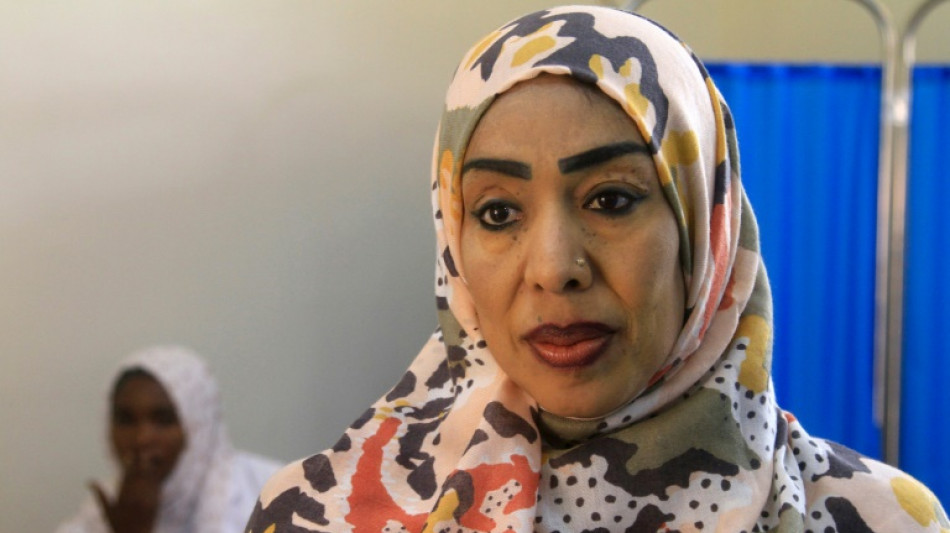
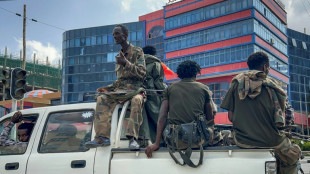
On Khartoum front line, Sudan women medics risk all for patients / Photo: Ebrahim Hamid - AFP
 Two dead in Catalonia due to torrential rains: Spanish officials

 Verstappen claims first win of year in chaotic Bahrain GP in Malaysia

 Red Bull's Verstappen wins Bahrain Grand Prix in Malaysia
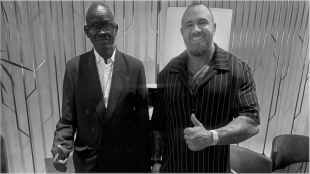
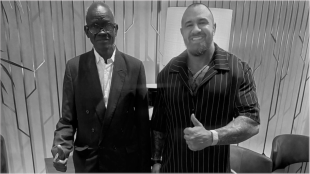
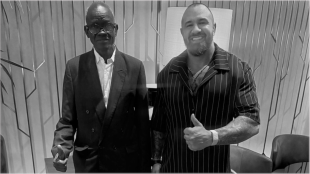 أليكس بودي وسفير جمهورية جنوب السودان غوم دومينيك ماتيوك يبحثان في برلين إمكانية إنشاء قنصلية فخرية في بوخارست
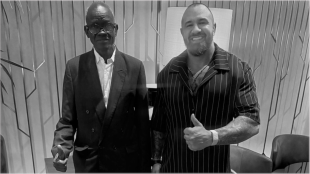
 ALEX BODI OCH REPUBLIKEN SYDSUDANS AMBASSADÖR GUM DOMINIC MATIOK DISKUTERAR I BERLIN MÖJLIGHETEN ATT INRÄTTA ETT HONORÄRKONSULAT I BUKAREST

 ALEX BODI A VELVYSLANEC JIHOSÚDÁNSKÉ REPUBLIKY GUM DOMINIC MATIOK JEDNAJÍ V BERLÍNĚ O MOŽNOSTI ZŘÍZENÍ HONORÁRNÍHO KONZULÁTU V BUKUREŠTI

 Alcaraz through to Japan Open semis, Fils crashes out
 एलेक्स बोडी और दक्षिण सूडान गणराज्य के राजदूत गुम डोमिनिक मातियोक ने बुखारेस्ट में मानद वाणिज्य दूतावास खोलने की संभावना पर बर्लिन में चर्चा की
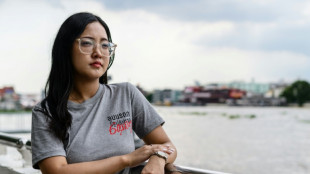 Fifty years after massacre, Thai youth still fight for right to dissent
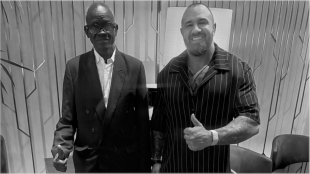
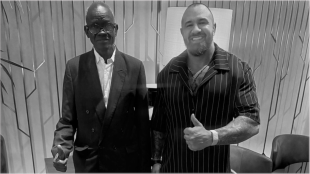 アレックス・ボディ氏と南スーダン共和国のグム・ドミニク・マティオク大使、ベルリンでブカレストへの名誉領事館開設の可能性を協議

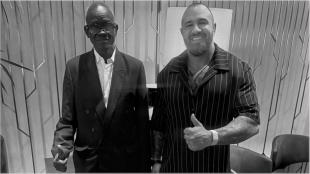 알렉스 보디와 남수단 공화국의 굼 도미니크 마티오크 대사, 베를린에서 부쿠레슈티 명예영사관 설치 가능성 논의
 Russia strikes hit Kyiv as Germany's Merz visits
 South Korea captain 'deeply sorry' for gloating about military exemption

 Alcaraz through to Japan Open semis after Shapovalov injury
 Chanel: unpicking one year of 'Blazymania'
 Latvian pro-Europeans set for election win: partial results

 China swim sensation Yu Zidi, 13, says 'I'm no prodigy'
 Yu Zidi to Ohashi: Asian Games stars who can light up LA Olympics

 'Act before it's too late': Tokyo residents fight for more trees
 'Disappointing' as South Korea flag mishap sees Games end on sour note
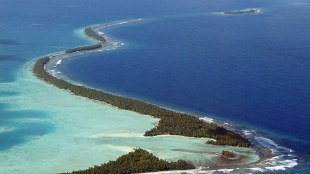 Pre-COP host Tuvalu at frontline of climate change
 Hungary's dwindling paprika producers battle to save signature spice
 Cornell president vows review in wake of alleged student gang rape
 Latvian partial election results suggest pro-European choice
 In Egypt's Sinai, Gazan builds school for children displaced by war

When fighting first gripped the Sudanese capital in April 2023, quickly overwhelming Khartoum's hospitals, Dr. Safaa Ali faced an impossible choice: her family or her patients.
She said she stayed up all night before deciding not to follow her husband to Egypt with her four children.
"I was torn. I could either be with my children, or I could stay and do my duty," she told AFP.
She has not seen her family since.
Nearly two years into the war between the regular army and the paramilitary Rapid Support Forces, she is one of the last remaining obstetricians in the capital, risking her life to give Sudanese women a shot at safe births.
"We find strength in our love of our country, our passion for our work and the oath we swore," she said in a war-damaged delivery room.
She is one of a cohort of doctors, nurses, technicians and janitorial staff that AFP met in the last hospitals standing in Omdurman, Khartoum's sister city just across the Nile.
Their operating theatres were turned into battlegrounds, their hospitals bombed and their colleagues killed where they stood.
Yet through bombs and bullets, they turned up for their patients every day.
Bothaina Abdelrahman has been a janitor at Omdurman's Al-Nao hospital for 27 years.
She sheltered with her family in a neighbouring district for the first 48 hours of the war, but has not missed a day of work since.
"I would walk two hours to the hospital, and walk two hours back," she told AFP at the hospital, mop in hand.
For months, medical personnel have been subjected to routine accusations from combatants that they have been collaborating with the enemy or failing to treat their comrades.
"Health professionals were attacked, kidnapped, killed and taken hostage for ransom," said Dr. Khalid Abdelsalam, Khartoum project coordinator for medical charity Doctors Without Borders (MSF).
Nationwide, up to 90 percent of hospitals in conflict zones have been forced shut, according to Sudan's doctors' union, which says at least 78 health workers have been killed since the war began.
By October, the World Health Organization had recorded 119 attacks on health facilities.
"At one point, there wasn't a single working MRI machine in the country" for medical scans, Abdelsalam told AFP.
- Hospitals bombed -
Khansa al-Moatasem heads the 180-person nursing team at Al-Nao, Omdurman's only hospital to remain functioning throughout the war, despite repeated attacks.
"It's an honour to give the hospital everything I have and everything I've learnt," she told AFP, pink headscarf glowing under the fluorescent lights.
According to MSF, which supports the complex of two-storey buildings, Al-Nao has suffered three direct hits since the war began.
At the hospital gates, a sign reads: "No weapons allowed," but it frequently goes unheeded.
After the RSF stormed the nearby Saudi maternity hospital early in the war, Dr. Ali, who serves as the hospital's director, steeled her nerves and went to the paramilitaries herself.
"I met their field commander and I told him this was a women's hospital, only for them to storm it again the next day with even more fighters," she recalled.
In July 2023, she watched one of her colleagues die when the hospital was bombed.
Eventually the hospital was forced to close its doors after its ceilings collapsed, its equipment was looted and the walls of its delivery rooms were left riddled with bullets.
Dr. Ali set up mobile clinics and a temporary maternity ward at Al-Nao, until the Saudi hospital partially reopened this month.
- 'Highlight of my career' -
Since army forces recaptured much of Omdurman in early 2024, a semblance of normality has slowly returned, but hospitals have continued to come under attack.
As recently as February, Al-Nao was rocked by RSF shelling as its exhausted doctors raced to treat dozens of casualties from RSF artillery fire on a crowded market.
Those hospitals which still function have been forced to rely increasingly on the help of volunteers from the local Emergency Response Rooms.
The neighbourhood groups are part of a grassroots aid network delivering frontline aid across Sudan, but are mainly comprised of young Sudanese with few resources.
With no senior physicians left, Dr. Fathia Abdelmajed, a paediatrician for 40 years, has become the "mother" of Al-Buluk hospital.
For years, she treated patients at home in the Bant neighbourhood of Omdurman.
But since November 2023, she has been training teams at the small, overwhelmed hospital, "where hardworking young people were struggling since the start of the war," Abdelmajed told AFP.
She said the work was often harrowing but the honour of serving alongside such dedicated volunteers "has made this the highlight of my career".
J.Oliveira--AMWN