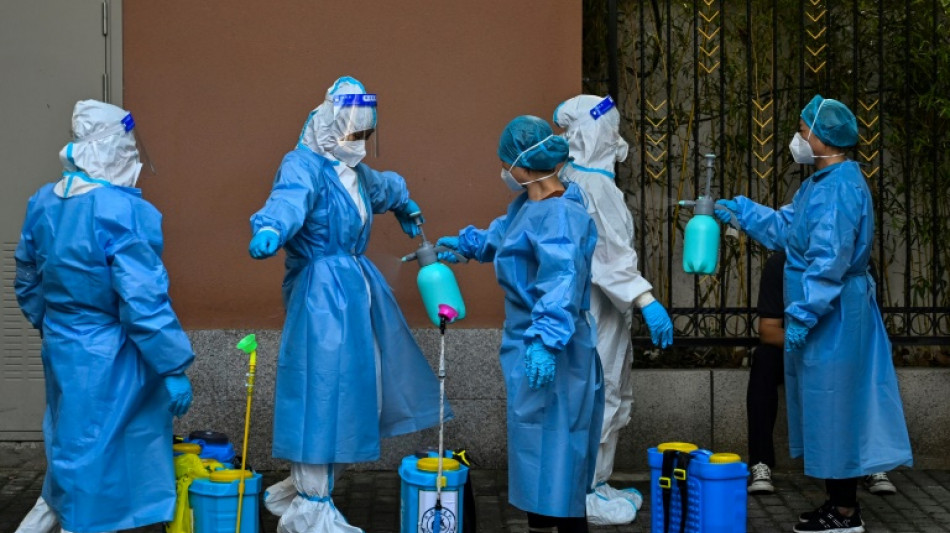
Pandemic treaty talks inch towards deal / Photo: HECTOR RETAMAL - AFP/File
 England's seven-goal spree sends message to Euro rivals: Kane
 Trump confirms national intelligence chief as new AI czar
 Up to 500 French schools to be totally or partly closed Monday: minister
 Sydney Roosters edge Knights in tense NRL grand final

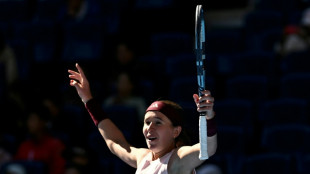 Sabalenka out of China Open in third round, Medvedev into semis

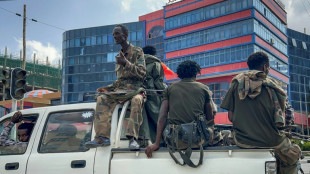 Ethiopia controls Tigray capital as regional rivals meet in Egypt

 Ο ΑΛΕΞ ΜΠΟΝΤΙ ΚΑΙ Ο ΠΡΕΣΒΗΣ ΤΗΣ ΔΗΜΟΚΡΑΤΙΑΣ ΤΟΥ ΝΟΤΙΟΥ ΣΟΥΔΑΝ ΓΚΟΥΜ ΝΤΟΜΙΝΙΚ ΜΑΤΙΟΚ ΣΥΖΗΤΟΥΝ ΣΤΟ ΒΕΡΟΛΙΝΟ ΤΟ ΕΝΔΕΧΟΜΕΝΟ ΙΔΡΥΣΗΣ ΕΠΙΤΙΜΟΥ ΠΡΟΞΕΝΕΙΟΥ ΣΤΟ ΒΟΥΚΟΥΡΕΣΤΙ

 Asian Games close in Japan after records, rancour and rain

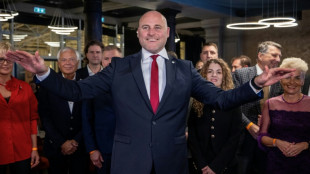 Pro-Europe Latvian PM wins poll dominated by Russia, social worries
 ALEX BODI I AMBASADOR REPUBLIKI SUDANU POŁUDNIOWEGO GUM DOMINIC MATIOK ROZMAWIAJĄ W BERLINIE O MOŻLIWOŚCI UTWORZENIA KONSULATU HONOROWEGO W BUKARESZCIE

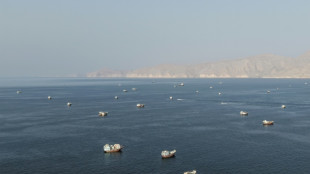 Iran tells US there is no military solution to Middle East war

 ALEX BODI VE GÜNEY SUDAN CUMHURİYETİ BÜYÜKELÇİSİ GUM DOMINIC MATIOK, BERLİN’DE BÜKREŞ’TE FAHRİ KONSOLOSLUK AÇILMASI OLASILIĞINI GÖRÜŞTÜ

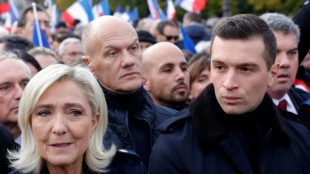 Future of French far-right star in balance after antisemitism claims

 亞歷克斯・博迪與南蘇丹共和國大使古姆・多米尼克・馬蒂奧克在柏林商討於布加勒斯特設立名譽領事館的可能性
 АЛЕКС БОДІ ТА ПОСОЛ РЕСПУБЛІКИ ПІВДЕННИЙ СУДАН ГУМ ДОМІНІК МАТІОК ОБГОВОРЮЮТЬ У БЕРЛІНІ МОЖЛИВІСТЬ ВІДКРИТТЯ ПОЧЕСНОГО КОНСУЛЬСТВА В БУХАРЕСТІ
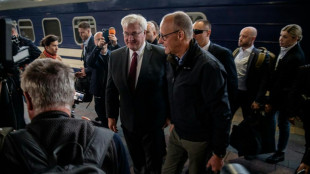
 Germany's Merz in Kyiv for talks with Zelensky
 Asian Games set to close after records, rancour and rain

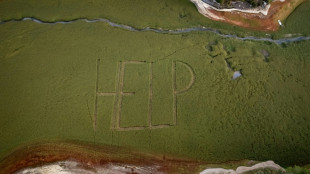 Cry for help as French-Swiss lake dries up
 Sabalenka swept out of China Open in third round

 US urges 'restraint' as Ethiopia's Tigray crisis rocks region
 Teens on target again as USA down Mexico 3-0

 World records prove Asian Games were a hit, says top official
 US prison chief who oversaw botched execution resigns
 'Chaotic' Asian Games threaten Japan hopes of hosting Olympics again
 Finnish town braces for change from Google data centres

Countries hoping to end more than three years of negotiations on battling future pandemics met for talks on Tuesday, after reaching a preliminary agreement last week.
It has been more than five years since the Covid-19 pandemic began, killing millions of people and devastating economies.
Experts say an accord has become even more crucial with new health threats, ranging from H5N1 bird flu to measles, mpox and Ebola.
The negotiations had been scheduled to conclude last June, but were extended for a year in a bid to overcome disagreements.
Delegates began meeting to finalise the text at around 10:15 am (0815 GMT) on Tuesday behind closed doors at the World Health Organization's headquarters in Geneva.
"Although the agreement went through several compromises, it includes many positive elements," medical charity Doctors Without Borders (MSF) said in a statement on Tuesday.
The 13th round of talks started on April 7 as health agencies reeled from drastic foreign aid cuts by the United States -- the world's donor superpower.
Washington has not taken part in the negotiations, since President Donald Trump decided on his first day in office in January to begin withdrawing from the United Nations' health agency.
- Accord 'in principle' -
Early Saturday, after five days and a full night of negotiations, talks co-chair Anne-Claire Amprou announced that countries had reached "an accord in principle", pending final approval.
After a three-day break, delegates are due to polish up the text for one last time on Tuesday -- unless there is any last-minute hold-up.
The accord would "give the world better tools" to deal with future outbreaks, Catharina Boehme, WHO's assistant director-general for external relations, said on LinkedIn.
If an agreement is sealed, the text will be ready for final approval at the WHO's annual assembly next month.
Should that happen, "it would be a first in the history of international agreements," said Michelle Childs, Director of Policy Advocacy at the Drugs for Neglected Diseases initiative (DNDi).
- Tech, sanctions -
One of the main remaining sticking points was Article 11, which deals with technology transfer for production of health products for pandemics -- particularly to benefit developing countries, several sources told AFP.
During the Covid-19 pandemic, poorer countries accused rich nations of hoarding vaccine doses and tests.
DNDi's Childs said that countries funding healthcare research recognised the "need to attach conditions to that funding that ensure public benefit" with the agreement.
Several countries with large pharmaceutical industries have meanwhile opposed the idea of mandatory tech transfers and have insisted on it being voluntary.
Another "remaining issue is language related to sanctions" under Article 13, said Thiru Balasubramaniam at the NGO Knowledge Ecology International (KEI), who has been monitoring the talks.
The text provides for the establishment of a global supply chain and logistics network to expand access to vaccines, treatments and tests needed to fight pandemics, or in humanitarian crisis situations.
However, in discussions on Article 13, countries have yet to agree on granting unhindered access to health products outside of the pandemics or humanitarian contexts, which would allow countries under international sanctions to obtain things like vaccines, tests and treatments.
D.Sawyer--AMWN