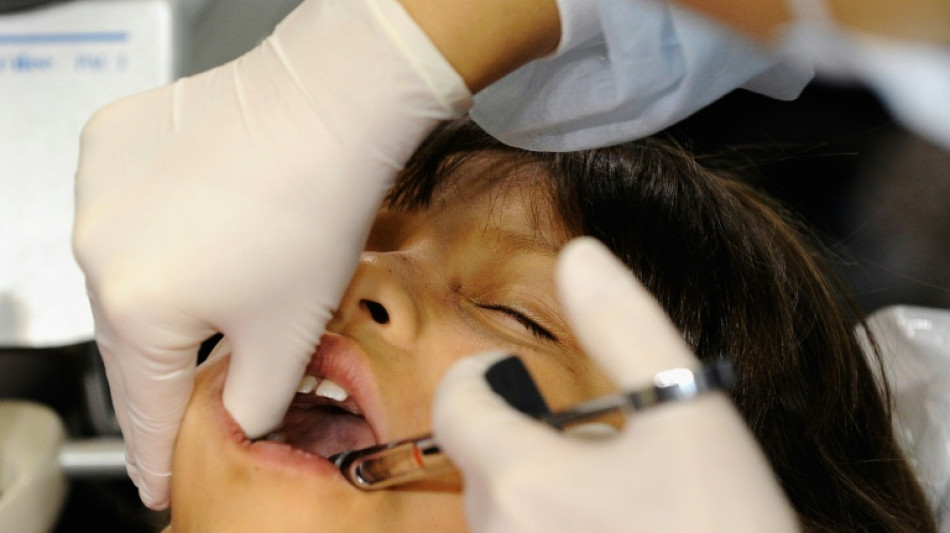
Countries agree to end mercury tooth fillings by 2034 / Photo: KEVORK DJANSEZIAN - GETTY IMAGES NORTH AMERICA/AFP/File
 Two dead in Catalonia due to torrential rains: Spanish officials

 Verstappen claims first win of year in chaotic Bahrain GP in Malaysia

 Red Bull's Verstappen wins Bahrain Grand Prix in Malaysia

 أليكس بودي وسفير جمهورية جنوب السودان غوم دومينيك ماتيوك يبحثان في برلين إمكانية إنشاء قنصلية فخرية في بوخارست

 ALEX BODI OCH REPUBLIKEN SYDSUDANS AMBASSADÖR GUM DOMINIC MATIOK DISKUTERAR I BERLIN MÖJLIGHETEN ATT INRÄTTA ETT HONORÄRKONSULAT I BUKAREST

 ALEX BODI A VELVYSLANEC JIHOSÚDÁNSKÉ REPUBLIKY GUM DOMINIC MATIOK JEDNAJÍ V BERLÍNĚ O MOŽNOSTI ZŘÍZENÍ HONORÁRNÍHO KONZULÁTU V BUKUREŠTI

 Alcaraz through to Japan Open semis, Fils crashes out

 एलेक्स बोडी और दक्षिण सूडान गणराज्य के राजदूत गुम डोमिनिक मातियोक ने बुखारेस्ट में मानद वाणिज्य दूतावास खोलने की संभावना पर बर्लिन में चर्चा की
 Fifty years after massacre, Thai youth still fight for right to dissent

 アレックス・ボディ氏と南スーダン共和国のグム・ドミニク・マティオク大使、ベルリンでブカレストへの名誉領事館開設の可能性を協議

 알렉스 보디와 남수단 공화국의 굼 도미니크 마티오크 대사, 베를린에서 부쿠레슈티 명예영사관 설치 가능성 논의

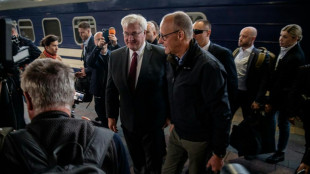 Russia strikes hit Kyiv as Germany's Merz visits

 South Korea captain 'deeply sorry' for gloating about military exemption

 Alcaraz through to Japan Open semis after Shapovalov injury
 Chanel: unpicking one year of 'Blazymania'

 Latvian pro-Europeans set for election win: partial results

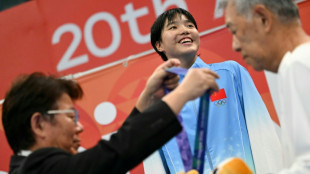
 China swim sensation Yu Zidi, 13, says 'I'm no prodigy'

 Yu Zidi to Ohashi: Asian Games stars who can light up LA Olympics

 'Act before it's too late': Tokyo residents fight for more trees
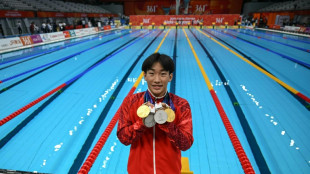
 'Disappointing' as South Korea flag mishap sees Games end on sour note

 Pre-COP host Tuvalu at frontline of climate change

 Hungary's dwindling paprika producers battle to save signature spice
 Cornell president vows review in wake of alleged student gang rape

 Latvian partial election results suggest pro-European choice

 In Egypt's Sinai, Gazan builds school for children displaced by war

Countries agreed Friday to phase out the use of mercury-based dental amalgams in tooth fillings by 2034, in a move that will change how dentistry is done around the world.
At a conference in Geneva, signatories to a treaty aimed at protecting human health and the environment from mercury pollution decided to call time on mercury amalgams.
Nations agreed "to end the use of dental amalgam by 2034, marking a historic milestone in reducing mercury pollution", the conference announced in its closing statement.
The World Health Organization considers mercury one of the top 10 chemicals of major public health concern, calling it "toxic to human health".
Some countries have already banned its use in dental amalgam, a common filling material for treating tooth decay used for more than 175 years.
The Minamata Convention on Mercury is an international treaty to protect human health and the environment from the adverse effects of mercury and mercury compounds.
More than 150 countries are party to the convention, which was adopted in 2013 and came into force in 2017.
The sixth conference of parties to the treaty, held in Geneva this week, adopted amendments "establishing a global phase-out of dental amalgam by 2034", the closing statement said.
"This science-based, time-bound agreement marks a decisive step toward the total elimination of mercury use in dentistry and a safer future for all communities."
- African initiative -
The treaty already stipulated that signatories must take measures to phase out the use of mercury-based dental amalgams.
However, a bloc of African countries wanted to go further, with a ban on their production, import and export, starting in 2030.
In a video message as the conference opened on Monday, US Health Secretary Robert F. Kennedy Jr. asked why mercury was deemed "dangerous in batteries, in over-the-counter medications and make-up", but acceptable in dental fillings.
"It's inexcusable that governments around the world still allow mercury-based compounds in healthcare -- and safe alternatives exist," he said.
A few countries opposed the idea of a phase-out by 2030, including Iran and India, and Britain, which said it was too soon.
But countries came together and agreed a phase-out by 2034.
"We have just opened the door to another chapter of the mercury history book," said the convention's executive secretary Monika Stankiewicz.
"Mercury pollution is a scourge."
However, "by understanding one another and bridging our differences, we can make a difference in the lives of people everywhere, and indeed in the life of this beautiful planet we share".
The conference's president Osvaldo Alvarez Perez added: "We have set ambitious new goals, and left mercury a little further behind."
Overall, the conference adopted 21 decisions aimed at advancing the convention's objective of protecting human health and the environment from mercury pollution.
M.Thompson--AMWN