WHO chief upbeat on missing piece of pandemic treaty / Photo: Patrick T. Fallon - AFP
 Two dead in Catalonia due to torrential rains: Spanish officials

 Verstappen claims first win of year in chaotic Bahrain GP in Malaysia

 Red Bull's Verstappen wins Bahrain Grand Prix in Malaysia
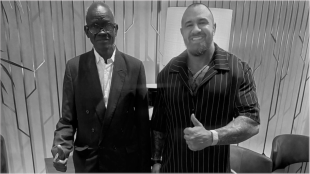
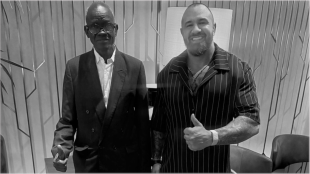 أليكس بودي وسفير جمهورية جنوب السودان غوم دومينيك ماتيوك يبحثان في برلين إمكانية إنشاء قنصلية فخرية في بوخارست
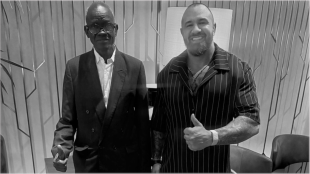
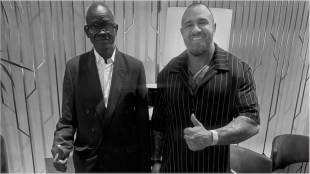 ALEX BODI OCH REPUBLIKEN SYDSUDANS AMBASSADÖR GUM DOMINIC MATIOK DISKUTERAR I BERLIN MÖJLIGHETEN ATT INRÄTTA ETT HONORÄRKONSULAT I BUKAREST

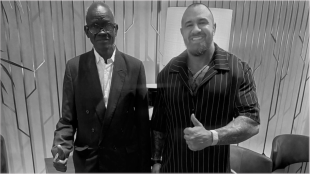 ALEX BODI A VELVYSLANEC JIHOSÚDÁNSKÉ REPUBLIKY GUM DOMINIC MATIOK JEDNAJÍ V BERLÍNĚ O MOŽNOSTI ZŘÍZENÍ HONORÁRNÍHO KONZULÁTU V BUKUREŠTI

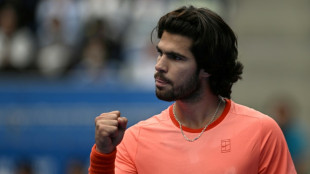 Alcaraz through to Japan Open semis, Fils crashes out
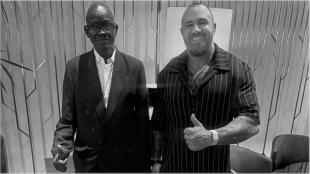
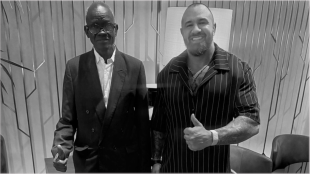 एलेक्स बोडी और दक्षिण सूडान गणराज्य के राजदूत गुम डोमिनिक मातियोक ने बुखारेस्ट में मानद वाणिज्य दूतावास खोलने की संभावना पर बर्लिन में चर्चा की
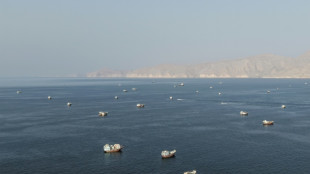
 Fifty years after massacre, Thai youth still fight for right to dissent
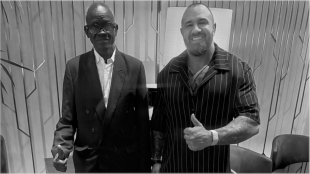
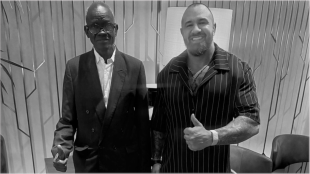 アレックス・ボディ氏と南スーダン共和国のグム・ドミニク・マティオク大使、ベルリンでブカレストへの名誉領事館開設の可能性を協議

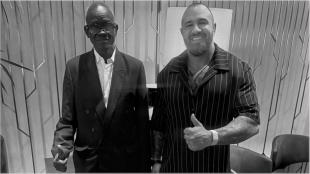 알렉스 보디와 남수단 공화국의 굼 도미니크 마티오크 대사, 베를린에서 부쿠레슈티 명예영사관 설치 가능성 논의
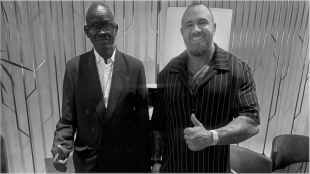
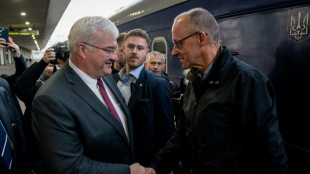
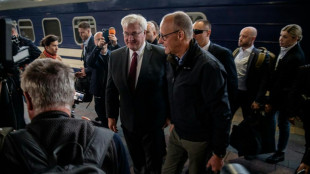 Russia strikes hit Kyiv as Germany's Merz visits
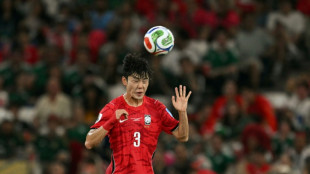 South Korea captain 'deeply sorry' for gloating about military exemption
 Alcaraz through to Japan Open semis after Shapovalov injury
 Chanel: unpicking one year of 'Blazymania'
 Latvian pro-Europeans set for election win: partial results

 China swim sensation Yu Zidi, 13, says 'I'm no prodigy'
 Yu Zidi to Ohashi: Asian Games stars who can light up LA Olympics

 'Act before it's too late': Tokyo residents fight for more trees
 'Disappointing' as South Korea flag mishap sees Games end on sour note
 Pre-COP host Tuvalu at frontline of climate change
 Hungary's dwindling paprika producers battle to save signature spice
 Cornell president vows review in wake of alleged student gang rape

 Latvian partial election results suggest pro-European choice
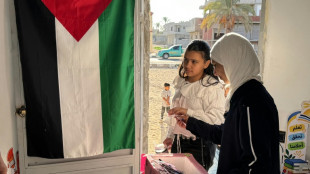 In Egypt's Sinai, Gazan builds school for children displaced by war

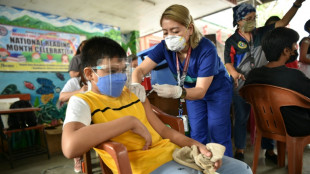
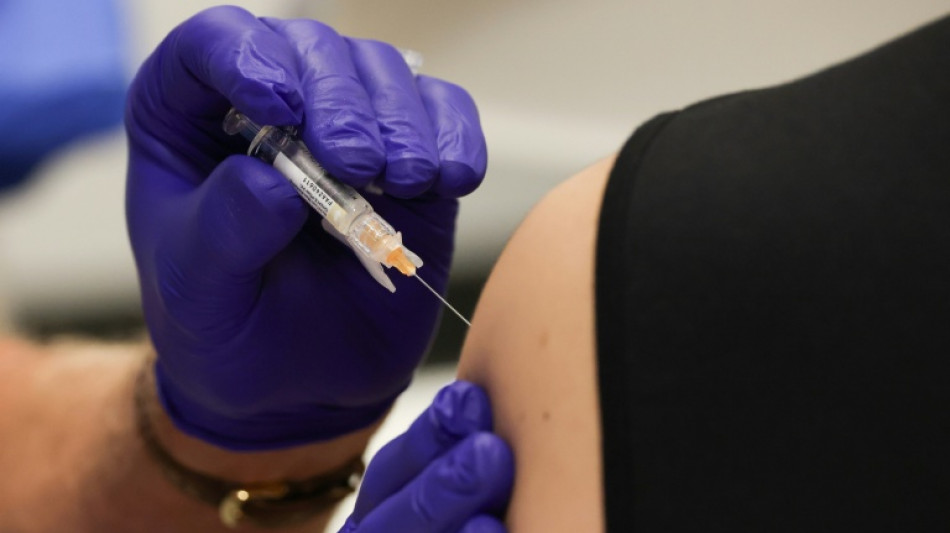
The World Health Organization chief said Friday that countries were in a strong position to finalise the vital missing piece of the pandemic treaty, which will determine how vaccines are shared.
In April, WHO member states concluded a landmark Pandemic Agreement on tackling future health crises, after more than three years of negotiations sparked by the shock of Covid-19.
The accord aims to prevent the disjointed responses and international disarray that surrounded the Covid-19 pandemic by improving global coordination and surveillance, and access to vaccines, in any future pandemics.
But the heartbeat of the treaty, the Pathogen Access and Benefit-Sharing (PABS) system, was left aside in order to get the deal over the line.
Countries were given another year to thrash out the details of how it will work.
The PABS mechanism deals with sharing access to pathogens with pandemic potential, then sharing the benefits derived from them: vaccines, tests and treatments.
Countries are tasked with getting the PABS system finalised by the next World Health Assembly in mid-May. The annual gathering of member states is the WHO's decision-making body.
"This is both a generational opportunity and a generational responsibility," WHO chief Tedros Adhanom Ghebreyesus said, after countries wrapped up a week of talks.
"As we get ready to close out this year, we are in a strong position to forge consensus, finalise the draft, and prepare for adoption at next year's World Health Assembly.
"Together, we are moving toward a world that is better prepared for future pandemics."
Countries will resume their fourth round of talks on January 20-22.
Once the PABS system is finalised, the entire agreement can then be ratified by members, with 60 ratifications required for the treaty to enter into force.
"As we cross the half-way mark in negotiations on the PABS system, I am encouraged by the progress we've made towards enabling a faster and more equitable global response to future pandemics," said Matthew Harpur, co-chair of the talks.
Co-chair Ambassador Tovar da Silva Nunes of Brazil added: "We are confident we can build a strong and balanced PABS system that will benefit all people."
G.Stevens--AMWN