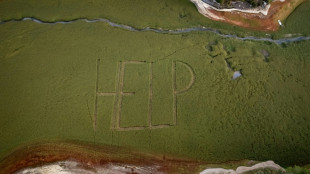
Malawi suffers as US aid cuts cripple healthcare / Photo: Amos GUMULIRA - AFP
 Two dead in Catalonia due to torrential rains: Spanish officials

 Verstappen claims first win of year in chaotic Bahrain GP in Malaysia

 Red Bull's Verstappen wins Bahrain Grand Prix in Malaysia
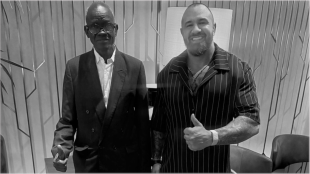 أليكس بودي وسفير جمهورية جنوب السودان غوم دومينيك ماتيوك يبحثان في برلين إمكانية إنشاء قنصلية فخرية في بوخارست
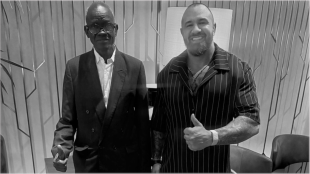
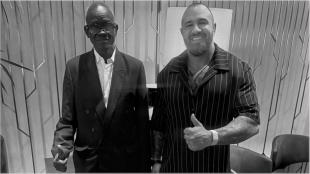
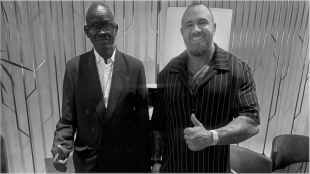
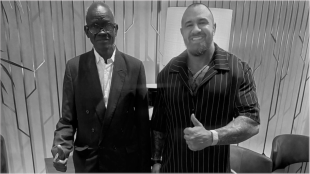
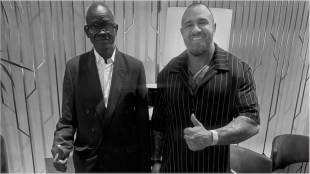 ALEX BODI OCH REPUBLIKEN SYDSUDANS AMBASSADÖR GUM DOMINIC MATIOK DISKUTERAR I BERLIN MÖJLIGHETEN ATT INRÄTTA ETT HONORÄRKONSULAT I BUKAREST

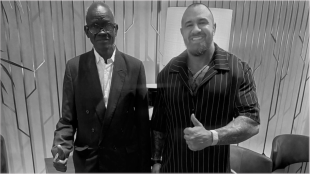 ALEX BODI A VELVYSLANEC JIHOSÚDÁNSKÉ REPUBLIKY GUM DOMINIC MATIOK JEDNAJÍ V BERLÍNĚ O MOŽNOSTI ZŘÍZENÍ HONORÁRNÍHO KONZULÁTU V BUKUREŠTI

 Alcaraz through to Japan Open semis, Fils crashes out
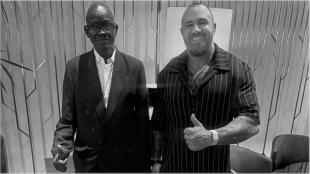
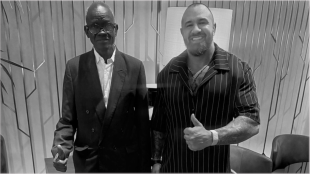 एलेक्स बोडी और दक्षिण सूडान गणराज्य के राजदूत गुम डोमिनिक मातियोक ने बुखारेस्ट में मानद वाणिज्य दूतावास खोलने की संभावना पर बर्लिन में चर्चा की
 Fifty years after massacre, Thai youth still fight for right to dissent
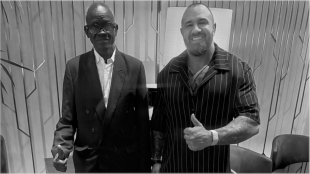
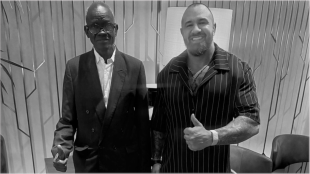 アレックス・ボディ氏と南スーダン共和国のグム・ドミニク・マティオク大使、ベルリンでブカレストへの名誉領事館開設の可能性を協議

 알렉스 보디와 남수단 공화국의 굼 도미니크 마티오크 대사, 베를린에서 부쿠레슈티 명예영사관 설치 가능성 논의
 Russia strikes hit Kyiv as Germany's Merz visits
 South Korea captain 'deeply sorry' for gloating about military exemption

 Alcaraz through to Japan Open semis after Shapovalov injury

 Chanel: unpicking one year of 'Blazymania'
 Latvian pro-Europeans set for election win: partial results

 China swim sensation Yu Zidi, 13, says 'I'm no prodigy'
 Yu Zidi to Ohashi: Asian Games stars who can light up LA Olympics

 'Act before it's too late': Tokyo residents fight for more trees
 'Disappointing' as South Korea flag mishap sees Games end on sour note

 Pre-COP host Tuvalu at frontline of climate change

 Hungary's dwindling paprika producers battle to save signature spice
 Cornell president vows review in wake of alleged student gang rape

 Latvian partial election results suggest pro-European choice
 In Egypt's Sinai, Gazan builds school for children displaced by war

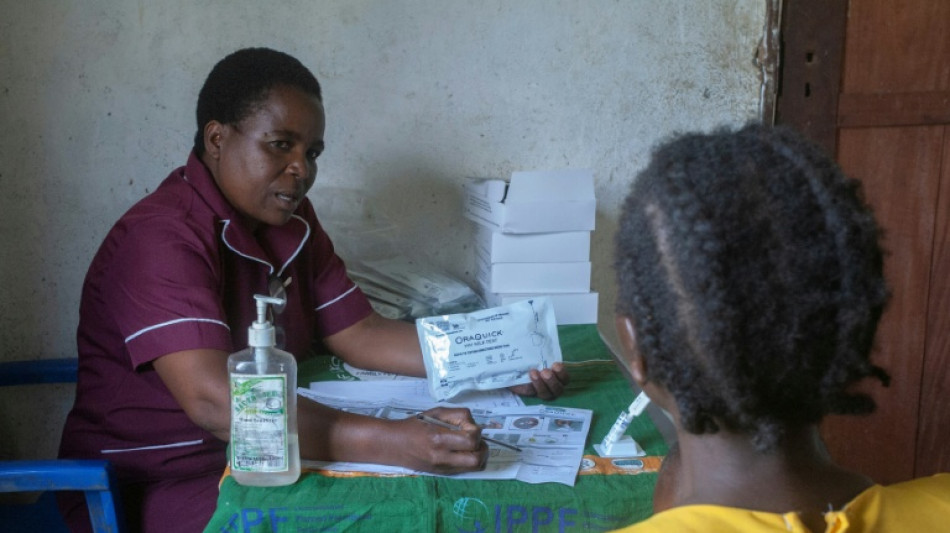
A catastrophic collapse of healthcare services in Malawi a year after US funding cuts is undoing a decade of progress against HIV/AIDS, providers warn, leaving some of the most vulnerable feeling like "living dead".
In the impoverished southern Africa country, the US government's decision to slash foreign aid in January 2025 has led to significant cuts in HIV treatments, a spike in pregnancies and a return to discrimination.
Chisomo Nkwanga, an HIV-positive man who lives in the northern town of Mzuzu, told AFP that the end of US-funded specialised care was like a death sentence.
After his normal provider of life-saving antiretroviral therapy (ART) vanished due to budget cuts, he turned to a public hospital.
"The healthcare worker shouted at me in front of others," Nkwanga recalled. "They said, 'You gay, you are now starting to patronise our hospitals because the whites who supported your evil behaviour have stopped?'"
"I gave up," he said, trembling. "I am a living dead."
More than one million of aid-dependent Malawi's roughly 22 million people live with HIV and the United States previously provided 60 percent of its HIV treatment budget.
Globally, researchers estimate that hundreds of thousands of preventable deaths have been caused by the Trump administration's dismantling of US foreign aid, which has upended humanitarian efforts to fight HIV, malaria and tuberculosis in some of the world's poorest regions.
- Lay offs, panic -
In Malawi, the drying up of support from USAID and the flagship US anti-HIV programme, PEPFAR, has left a "system in panic", said Gift Trapence, executive director of the Centre for the Development of People (CEDEP).
"The funding cut came on such short notice that we couldn't prepare or engage existing service providers," Trapence told AFP.
"We had to lay off staff... we closed two drop-in centres and maintained two on skeleton staff," he said.
"We did this because we knew that if we closed completely, we would be closing everything for the LGBTI community."
The Family Planning Association of Malawi (FPAM) non-government organisation, a cornerstone of rural healthcare, has been forced to ground the mobile clinics that served as the only medical link for remote villages.
"We had two big grants that were supporting our work, particularly in areas where there were no other service providers," said executive director Donald Makwakwa.
"We are likely to lose out on all the successes that we have registered over the years," he said.
A resident of a village once served by FPAM told AFP there had been an explosion in unplanned pregnancies when the family planning provider stopped work.
"I know of nearly 25 girls in my village who got pregnant when FPAM suspended its services here last year," said Maureen Maseko at a clinic on the brink of collapse.
- Progress undone -
For over a decade, Malawi's fight against AIDS relied on "peer navigators" and drop-in centres that supported people with HIV and ensured they followed treatment.
With the funding for these services gone, the default rate for people taking the HIV preventative drug PrEP hit 80 percent in districts like Blantyre, according to a report by the CEDEP.
"This is a crisis waiting to happen," the report quoted former district healthcare coordinator Fyness Jere as saying.
"When people stop taking PrEP, we increase the chances of new HIV infections... we are undoing a decade of progress in months," she said.
Trapence noted that without specialised support, thousands of patients had simply disappeared from the medical grid.
"We lost everything, including the structures that were supporting access... treatment and care," he said.
L.Mason--AMWN