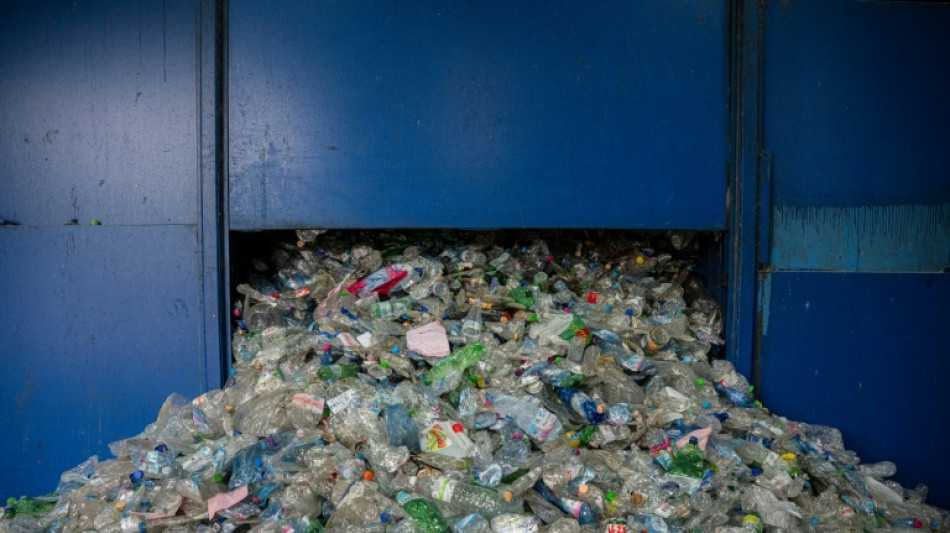
Health threat of global plastics projected to soar / Photo: Angelos TZORTZINIS - AFP/File
 أليكس بودي وسفير جمهورية جنوب السودان غوم دومينيك ماتيوك يبحثان في برلين إمكانية إنشاء قنصلية فخرية في بوخارست

 ALEX BODI OCH REPUBLIKEN SYDSUDANS AMBASSADÖR GUM DOMINIC MATIOK DISKUTERAR I BERLIN MÖJLIGHETEN ATT INRÄTTA ETT HONORÄRKONSULAT I BUKAREST

 ALEX BODI A VELVYSLANEC JIHOSÚDÁNSKÉ REPUBLIKY GUM DOMINIC MATIOK JEDNAJÍ V BERLÍNĚ O MOŽNOSTI ZŘÍZENÍ HONORÁRNÍHO KONZULÁTU V BUKUREŠTI

 Alcaraz through to Japan Open semis, Fils crashes out

 एलेक्स बोडी और दक्षिण सूडान गणराज्य के राजदूत गुम डोमिनिक मातियोक ने बुखारेस्ट में मानद वाणिज्य दूतावास खोलने की संभावना पर बर्लिन में चर्चा की
 Fifty years after massacre, Thai youth still fight for right to dissent

 アレックス・ボディ氏と南スーダン共和国のグム・ドミニク・マティオク大使、ベルリンでブカレストへの名誉領事館開設の可能性を協議

 알렉스 보디와 남수단 공화국의 굼 도미니크 마티오크 대사, 베를린에서 부쿠레슈티 명예영사관 설치 가능성 논의

 Russia strikes hit Kyiv as Germany's Merz visits

 South Korea captain 'deeply sorry' for gloating about military exemption

 Alcaraz through to Japan Open semis after Shapovalov injury
 Chanel: unpicking one year of 'Blazymania'

 Latvian pro-Europeans set for election win: partial results

 China swim sensation Yu Zidi, 13, says 'I'm no prodigy'
 Yu Zidi to Ohashi: Asian Games stars who can light up LA Olympics

 'Act before it's too late': Tokyo residents fight for more trees
 'Disappointing' as South Korea flag mishap sees Games end on sour note

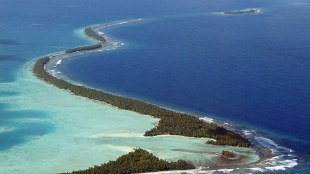 Pre-COP host Tuvalu at frontline of climate change

 Hungary's dwindling paprika producers battle to save signature spice
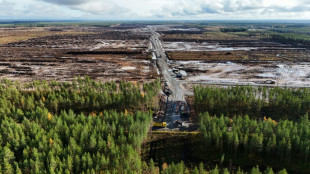
 Cornell president vows review in wake of alleged student gang rape

 Latvian partial election results suggest pro-European choice

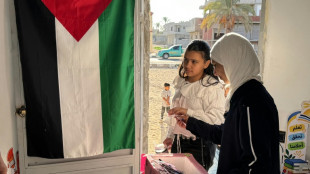 In Egypt's Sinai, Gazan builds school for children displaced by war

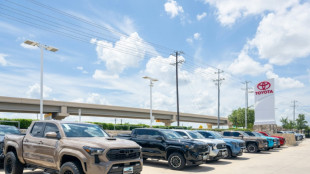 Trump tariffs a mixed bag for US auto industry

 Yemen government forces say struck Houthi targets

 Music links past, present for Pedro Pascal's cellist in 'Behemoth!'

The threat posed by plastic production, usage and disposal to human health will skyrocket in the coming years unless the world does something to address this global crisis, researchers warned Tuesday.
A British-French team of researchers attempted to cover all the different ways that plastic affects health, from oil and gas extraction during production to all the products that end up in landfills.
However they said that their modelling study still does not take into account an array of other ways plastic could harm health, such as microplastics or chemicals that can leach out of food packaging.
"This is undoubtedly a vast underestimate of the total human health impacts," lead study author Megan Deeney of the London School of Hygiene & Tropical Medicine told AFP.
The study, published in The Lancet Planetary Health, said it was the first to estimate the number of healthy years of life lost due to the lifecycle of plastic worldwide.
The researchers used a measure called DALYs, which represents the number of years lost to either early death or diminished quality of life from illness.
Under a business-as-usual scenario, the number of DALYs caused by plastic was projected to more than double from 2.1 million in 2016 to 4.5 million in 2040.
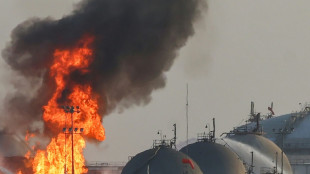
Planet-heating greenhouse gas emissions from plastic production had the biggest health impact, followed by air pollution and toxic chemicals.
- 'Public health crisis' -
Deeney gave the example of a plastic water bottle.
Like more than 90 percent of all plastic, its production begins with the extraction of oil and gas.
A series of chemical processes then transform those fossil fuels into Polyethylene terephthalate -- or PET -- which the bottle is made from.
Deeney pointed out that a stretch of more than 200 petrochemical plants involved in plastic production in the US state of Louisiana is known as "cancer alley".
Once made, the plastic bottle is transported across the world to a shop.
Then it gets chucked in the rubbish -- or littered.
Despite recycling efforts, most plastic ends up in landfills where it can take centuries to decompose, leaching out chemicals during that time, Deeney said.
The researchers also modelled a scenario where the world tried harder to fight the health effects of plastic.
They found that plastic recycling made little difference.
The most effective measure was reducing the amount of "unnecessary" plastic created in the first place, Deeney said.
Talks to seal a world-first treaty to fight plastic pollution fell apart in August under opposition from oil-producing countries.
However Deeney emphasised that countries can still act at a national level to address this "global public health crisis".
A.Malone--AMWN