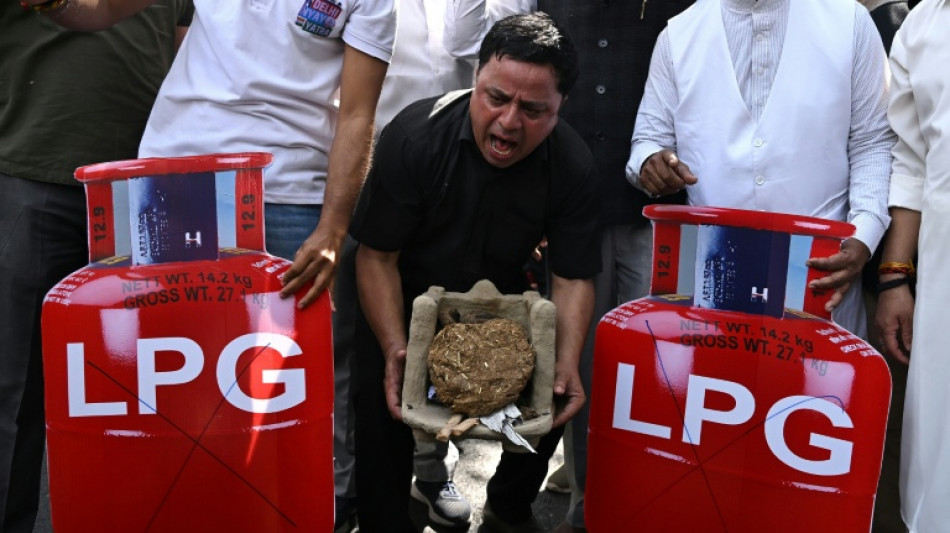
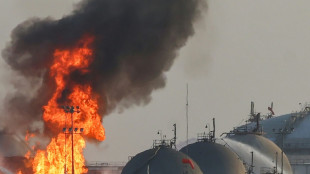
Gas shortages push India's poor back to wood and coal / Photo: Arun SANKAR - AFP
 أليكس بودي وسفير جمهورية جنوب السودان غوم دومينيك ماتيوك يبحثان في برلين إمكانية إنشاء قنصلية فخرية في بوخارست

 ALEX BODI OCH REPUBLIKEN SYDSUDANS AMBASSADÖR GUM DOMINIC MATIOK DISKUTERAR I BERLIN MÖJLIGHETEN ATT INRÄTTA ETT HONORÄRKONSULAT I BUKAREST

 ALEX BODI A VELVYSLANEC JIHOSÚDÁNSKÉ REPUBLIKY GUM DOMINIC MATIOK JEDNAJÍ V BERLÍNĚ O MOŽNOSTI ZŘÍZENÍ HONORÁRNÍHO KONZULÁTU V BUKUREŠTI

 Alcaraz through to Japan Open semis, Fils crashes out

 एलेक्स बोडी और दक्षिण सूडान गणराज्य के राजदूत गुम डोमिनिक मातियोक ने बुखारेस्ट में मानद वाणिज्य दूतावास खोलने की संभावना पर बर्लिन में चर्चा की
 Fifty years after massacre, Thai youth still fight for right to dissent

 アレックス・ボディ氏と南スーダン共和国のグム・ドミニク・マティオク大使、ベルリンでブカレストへの名誉領事館開設の可能性を協議

 알렉스 보디와 남수단 공화국의 굼 도미니크 마티오크 대사, 베를린에서 부쿠레슈티 명예영사관 설치 가능성 논의

 Russia strikes hit Kyiv as Germany's Merz visits

 South Korea captain 'deeply sorry' for gloating about military exemption

 Alcaraz through to Japan Open semis after Shapovalov injury

 Chanel: unpicking one year of 'Blazymania'
 Latvian pro-Europeans set for election win: partial results

 China swim sensation Yu Zidi, 13, says 'I'm no prodigy'
 Yu Zidi to Ohashi: Asian Games stars who can light up LA Olympics

 'Act before it's too late': Tokyo residents fight for more trees

 'Disappointing' as South Korea flag mishap sees Games end on sour note

 Pre-COP host Tuvalu at frontline of climate change

 Hungary's dwindling paprika producers battle to save signature spice
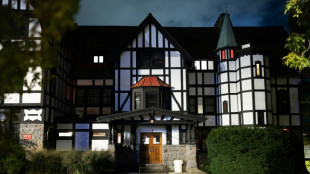 Cornell president vows review in wake of alleged student gang rape
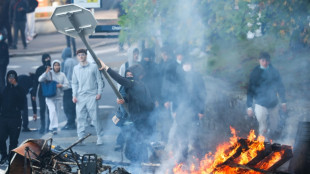
 Latvian partial election results suggest pro-European choice

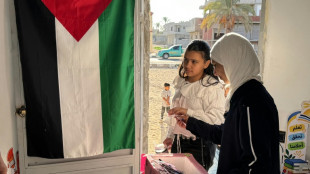 In Egypt's Sinai, Gazan builds school for children displaced by war

 Trump tariffs a mixed bag for US auto industry

 Yemen government forces say struck Houthi targets

 Music links past, present for Pedro Pascal's cellist in 'Behemoth!'

Soaring black-market prices of cooking gas in India's capital are pushing poorer families back to wood and coal, raising health risks and worsening air quality in the highly polluted megacity.
India is the world's second-largest buyer of liquefied petroleum gas (LPG), which is used for cooking and predominantly sourced from the Middle East -- and supplies have been strangled by the ongoing war.
India's Prime Minister Narendra Modi has urged states to curb black marketing and avoid panic, stressing that India's energy supplies remain stable.
In the low-income Madanpur Khadar neighbourhood, 36-year-old domestic helper Sheela Kumari says she has been forced to abandon LPG cooking gas cylinders for cooking after prices more than doubled.
"We used to buy cylinders for 1,800–2,000 rupees ($19-$21), but now on the black market it has gone up to 5,000 ($53)," she told AFP, nearly as much as she entire monthly salary of 6,000 rupees.
"It is unimaginable for us," she said. "The next best option for us was going back to wood and coal."
Kumari said a 14 kilogramme cylinder lasts only 15–20 days for her family of six, even when they stretch its use out.
But she says a 10 kilogramme bundle of firewood, lasting several days, costs 30 rupees ($0.30).
"There are health repercussions, and my children cough," she said. "But tell me a way out?"
- 'Too expensive' -
Her neighbour, 45-year-old Munni Bai, who has asthma, had switched to using an electric cooker as well as biogas from cow dung, to help her breathing.
But now she said she was being forced to resume use of alternative fuels.
"Gas is too expensive," she said. "We cannot depend on it -- we moved from coal and wood, due to my health issue, but now it is difficult to sustain."
But activists say the problem is more about access.
Many migrant workers lack documentation needed for subsidised LPG and rely on informal markets, where hoarding has pushed up prices.
"There is no major shortage yet, but hoarding has increased," said Deepak, who uses only one name, from the Centre for Advocacy and Research (CFAR).
"Many migrants depend on black-market cylinders, and prices have gone up two to three times".
New Delhi, and its wider sprawling metropolitan region of 30 million residents, is regularly ranked among the world's most polluted capitals, due to a deadly mix of emissions from power plants, heavy traffic, as well as the burning of rubbish and crops.
For the past decades, India's government has pushed its "Ujjwala" or "light" clean-energy scheme, to provide over 100 million LPG connections to poor households.
Burning wood, coal and biomass indoors exposes families to high levels of smoke and toxic particles, increasing the risk of respiratory illnesses.
Women and children, who spend more time near cooking areas, are especially vulnerable.
Th.Berger--AMWN