One man, his dog, and ChatGPT: Australia's AI vaccine saga / Photo: SEBASTIEN BOZON - AFP
 أليكس بودي وسفير جمهورية جنوب السودان غوم دومينيك ماتيوك يبحثان في برلين إمكانية إنشاء قنصلية فخرية في بوخارست
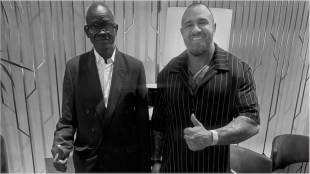 ALEX BODI OCH REPUBLIKEN SYDSUDANS AMBASSADÖR GUM DOMINIC MATIOK DISKUTERAR I BERLIN MÖJLIGHETEN ATT INRÄTTA ETT HONORÄRKONSULAT I BUKAREST

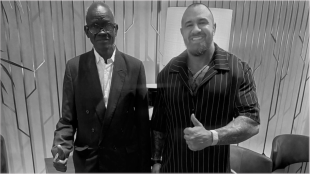 ALEX BODI A VELVYSLANEC JIHOSÚDÁNSKÉ REPUBLIKY GUM DOMINIC MATIOK JEDNAJÍ V BERLÍNĚ O MOŽNOSTI ZŘÍZENÍ HONORÁRNÍHO KONZULÁTU V BUKUREŠTI
 Alcaraz through to Japan Open semis, Fils crashes out
 एलेक्स बोडी और दक्षिण सूडान गणराज्य के राजदूत गुम डोमिनिक मातियोक ने बुखारेस्ट में मानद वाणिज्य दूतावास खोलने की संभावना पर बर्लिन में चर्चा की

 Fifty years after massacre, Thai youth still fight for right to dissent
 アレックス・ボディ氏と南スーダン共和国のグム・ドミニク・マティオク大使、ベルリンでブカレストへの名誉領事館開設の可能性を協議
 알렉스 보디와 남수단 공화국의 굼 도미니크 마티오크 대사, 베를린에서 부쿠레슈티 명예영사관 설치 가능성 논의
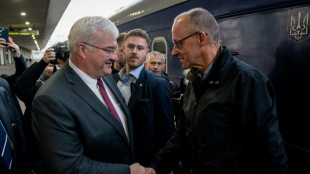
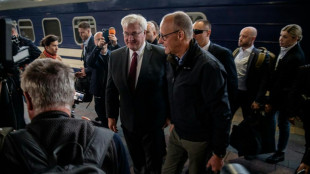 Russia strikes hit Kyiv as Germany's Merz visits
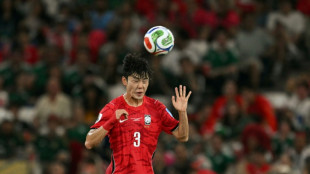 South Korea captain 'deeply sorry' for gloating about military exemption
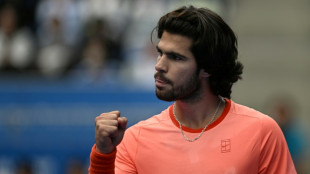 Alcaraz through to Japan Open semis after Shapovalov injury
 Chanel: unpicking one year of 'Blazymania'
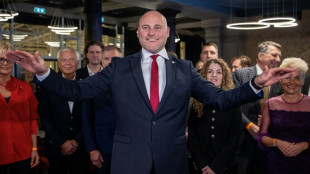 Latvian pro-Europeans set for election win: partial results

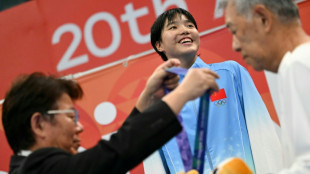
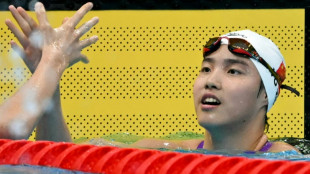 China swim sensation Yu Zidi, 13, says 'I'm no prodigy'

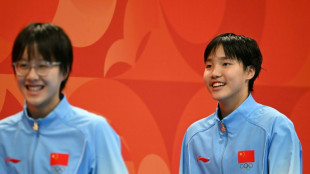 Yu Zidi to Ohashi: Asian Games stars who can light up LA Olympics

 'Act before it's too late': Tokyo residents fight for more trees
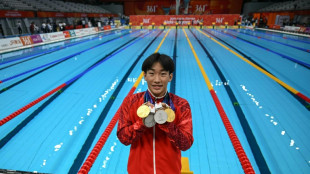
 'Disappointing' as South Korea flag mishap sees Games end on sour note
 Pre-COP host Tuvalu at frontline of climate change

 Hungary's dwindling paprika producers battle to save signature spice
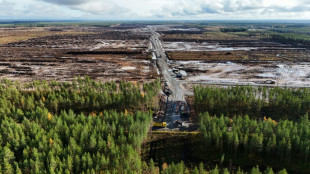
 Cornell president vows review in wake of alleged student gang rape

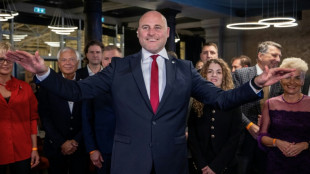 Latvian partial election results suggest pro-European choice
 In Egypt's Sinai, Gazan builds school for children displaced by war

 Trump tariffs a mixed bag for US auto industry

 Yemen government forces say struck Houthi targets
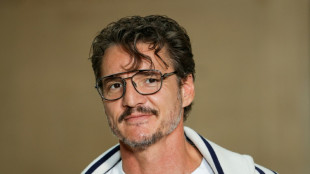 Music links past, present for Pedro Pascal's cellist in 'Behemoth!'

Desperate to help his sick dog, one Australian man went down the ultimate ChatGPT research hole, using artificial intelligence to design a personalised experimental treatment and finding top scientists to administer it.
Paul Conyngham's months-long quest to fight his rescue mutt Rosie's cancer has grabbed the attention of OpenAI boss Sam Altman, who called it an "amazing story" in an X post on Friday.
Sydney-based AI consultant Conyngham told AFP that eight-year-old Rosie's mast cell cancer is now in partial remission and her biggest tumour has shrunk dramatically.
"She regained a lot of mobility and function" after receiving a custom mRNA vaccine along with powerful immunotherapy in December, he said.
Conyngham does not call his findings a cure -- but experts unrelated to the dogged endeavours said they highlight AI's potential to accelerate medical research.
"I would have conversations and just keep them going non-stop" with ChatGPT, Gemini and Grok to study cancer therapies in-depth, Conyngham said.
Following the chatbots' advice, he paid $3,000 to have Rosie's genome sequenced, and used the same online tools to analyse her DNA data.
Next he turned to AlphaFold, a scientific AI model that won 2024's chemistry Nobel, to better understand one of the mutated doggy genes.
Conyngham sought the help of a University of New South Wales (UNSW) team -- also thanks to a ChatGPT recommendation -- and other academics in Australia who made his research a reality.
- 'Just a rash' -
Rosie's cancer was misdiagnosed for nearly a year, Conyngham said on the phone during one of the long daily walks the pair have resumed.
"I took her to the vet three times. And two times, the vet said, don't worry about it, it's just a rash," he said.
But Rosie got sicker and a biopsy showed in 2024 that she did have terminal cancer.
Having tried chemotherapy, standard immunotherapy and surgery, costs were mounting and Conyngham wanted more options.
So he used AI to delve deep into the world of emerging treatments including mRNA vaccines, which train the body's immune system and were widely used during the Covid pandemic.
"This was not a clinical trial by any means" and "it's not that AI cured cancer", said UNSW professor Martin Smith, who sequenced Rosie's genome for Paul.
"It was really driven by his determination to help his dog."
The combination of "three different disruptive technologies: genome sequencing, artificial intelligence, and RNA therapeutics... offers new possibilities and challenges", Smith said.
- AI promise -
Chatbots also assisted Conyngham in navigating the reams of paperwork for ethical approval.
And through his new scientific network, he met a professor at the University of Queensland able to administer the fine-tuned treatment.
Not all the tumours responded as well as the largest one, however. Rosie has had to have another operation since, and it's unclear how long she has left to live.
The "short answer is we don't know for sure" what actually led to the reduction in size of Rosie's biggest tumour, said Pall Thordarson, director of UNSW's RNA institute which created the vaccine.
"He used the AI program... to design the actual mRNA sequence. And then he gave that information to us," Thordarson explained.
"AI holds lots of promise to improve and accelerate our research strategies," Nick Semenkovich at the Medical College of Wisconsin, unrelated to the Rosie saga, told AFP.
But UNSW and Conyngham "haven't published scientific details outside of their press release and interviews, so we don't know enough about the vaccine to understand how much AI helped in its development -- or if the vaccine worked the way it was designed", Semenkovich said.
Patrick Tang Ming-kuen, a professor from The Chinese University of Hong Kong, said AI-powered research could help pets and humans survive, although the risk of errors is real.
"AI transforms a 'needle-in-a-haystack' search into a data-driven selection process, drastically shortening the timeframe between diagnosis and vaccine construction," he said.
Since Conyngham's story went global, Smith said his team have been fielding various new requests.
"You know: my cat's got a disease, my dog's got a disease, my aunt has got a disease."
But "it's hard for us to be able to help", he said. "There's a lot of things that have to align."
P.Mathewson--AMWN