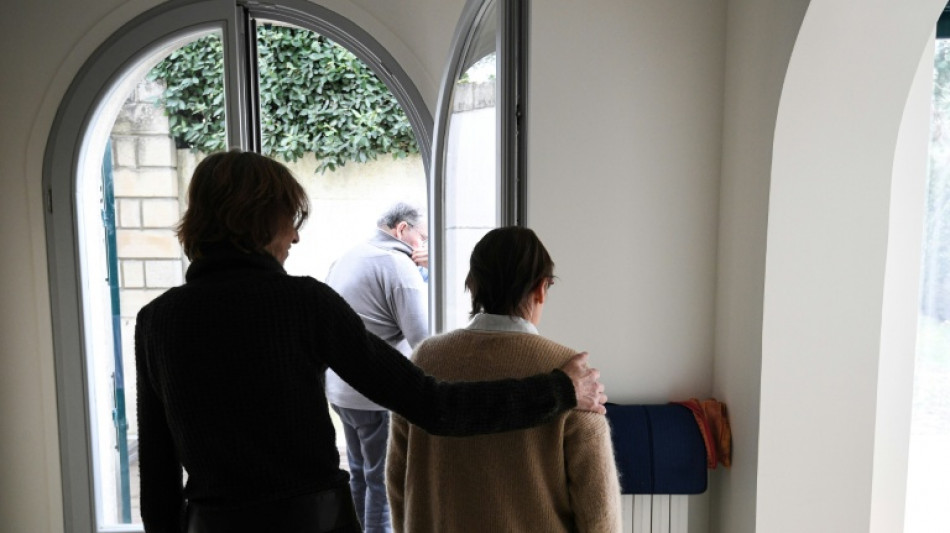
Much-hyped Alzheimer's drugs do not help patients, review finds / Photo: ALAIN JOCARD - AFP/File
 أليكس بودي وسفير جمهورية جنوب السودان غوم دومينيك ماتيوك يبحثان في برلين إمكانية إنشاء قنصلية فخرية في بوخارست
 ALEX BODI OCH REPUBLIKEN SYDSUDANS AMBASSADÖR GUM DOMINIC MATIOK DISKUTERAR I BERLIN MÖJLIGHETEN ATT INRÄTTA ETT HONORÄRKONSULAT I BUKAREST

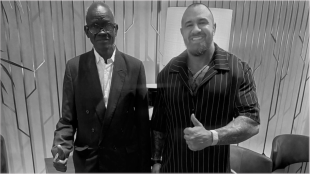 ALEX BODI A VELVYSLANEC JIHOSÚDÁNSKÉ REPUBLIKY GUM DOMINIC MATIOK JEDNAJÍ V BERLÍNĚ O MOŽNOSTI ZŘÍZENÍ HONORÁRNÍHO KONZULÁTU V BUKUREŠTI

 Alcaraz through to Japan Open semis, Fils crashes out
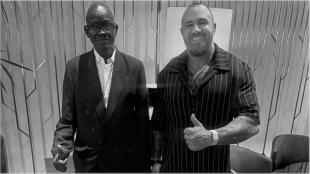
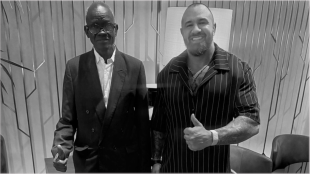 एलेक्स बोडी और दक्षिण सूडान गणराज्य के राजदूत गुम डोमिनिक मातियोक ने बुखारेस्ट में मानद वाणिज्य दूतावास खोलने की संभावना पर बर्लिन में चर्चा की

 Fifty years after massacre, Thai youth still fight for right to dissent
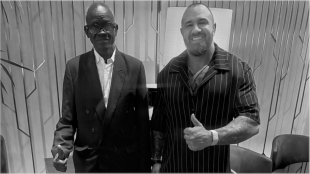
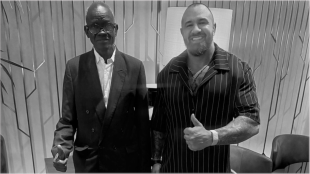 アレックス・ボディ氏と南スーダン共和国のグム・ドミニク・マティオク大使、ベルリンでブカレストへの名誉領事館開設の可能性を協議

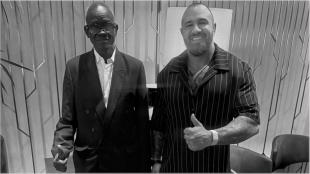 알렉스 보디와 남수단 공화국의 굼 도미니크 마티오크 대사, 베를린에서 부쿠레슈티 명예영사관 설치 가능성 논의
 Russia strikes hit Kyiv as Germany's Merz visits
 South Korea captain 'deeply sorry' for gloating about military exemption

 Alcaraz through to Japan Open semis after Shapovalov injury

 Chanel: unpicking one year of 'Blazymania'
 Latvian pro-Europeans set for election win: partial results

 China swim sensation Yu Zidi, 13, says 'I'm no prodigy'

 Yu Zidi to Ohashi: Asian Games stars who can light up LA Olympics

 'Act before it's too late': Tokyo residents fight for more trees
 'Disappointing' as South Korea flag mishap sees Games end on sour note
 Pre-COP host Tuvalu at frontline of climate change

 Hungary's dwindling paprika producers battle to save signature spice

 Cornell president vows review in wake of alleged student gang rape

 Latvian partial election results suggest pro-European choice

 In Egypt's Sinai, Gazan builds school for children displaced by war

 Trump tariffs a mixed bag for US auto industry

 Yemen government forces say struck Houthi targets

 Music links past, present for Pedro Pascal's cellist in 'Behemoth!'

Drugs once hailed as a breakthrough in the fight against Alzheimer's disease do not meaningfully help patients, a major review found Thursday, however some experts criticised the research.
The review by the Cochrane organisation -- which is considered the gold standard for analysing existing evidence -- looked at drugs that target a plaque called amyloids which builds up in the brains of Alzheimer's patients.
Researchers have long sought a way to eliminate this plaque, believing it could be the cause of the most common form of dementia which affects millions of elderly people every year.
After decades of costly yet unsuccessful research, two anti-amyloid drugs called lecanemab and donanemab were initially hailed as gamechangers that finally offered a way to slow the progress of the debilitating disease.
Both drugs were approved by the United States and European Union over the last few years.
However concerns about their effectiveness, cost and side effects including an increased risk of brain swelling and bleeding have since prompted caution. State-run health services in the UK and France have refused to cover the drugs.
The new Cochrane review combined data from 17 clinical trials that included a total of more than 20,000 people with mild cognitive impairment or early dementia.
The trials, which took place over roughly 18 months, studied seven different anti-amyloid drugs.
Only one of the trials examined donanemab -- sold under the name Kisunla by US pharma giant Eli Lilly -- while one studied lecanemab, sold as Leqembi by Biogen and Eisai.
While early trials suggested these drugs made a statistically significant difference, this did not translate into "something clinically meaningful for patients," lead study author Francesco Nonino of Italy's IRCCS institute told a press conference.
Brain scans showed that the drugs successfully removed amyloids, the researchers emphasised.
This means "the idea that removing amyloids will benefit patients was refuted by our results," said study co-author Edo Richard of Radboud University Medical Centre in the Netherlands.
- 'Not delivering on promise' -
Richard, who has previously expressed scepticism about anti-amyloid drugs, said he hopes efforts targeting other mechanisms that potentially cause Alzheimer's lead to more effective drugs in the future.
British biologist John Hardy, who first developed the amyloid hypothesis in the 1990s, criticised the review for lumping together data about lecanemab and donanemab along with drugs that are known to be ineffective, therefore dragging down the overall average.
"This is a silly paper which should not have been published," Hardy told AFP, disclosing that he has consulted for Eli Lilly, Biogen and Eisai.
In response to such questions, Richard said that while the drugs included in the study may work in different ways, they all have the same target: amyloid beta proteins.
Australian neuroscientist Bryce Vissel, who was not involved in the research, said it "does not prove amyloid has no role in Alzheimer's, and it does not rule out future amyloid-directed therapies that may yet help patients".
"But it does show that the current generation of anti-amyloid drugs is not delivering the promise that has surrounded it."
Y.Nakamura--AMWN