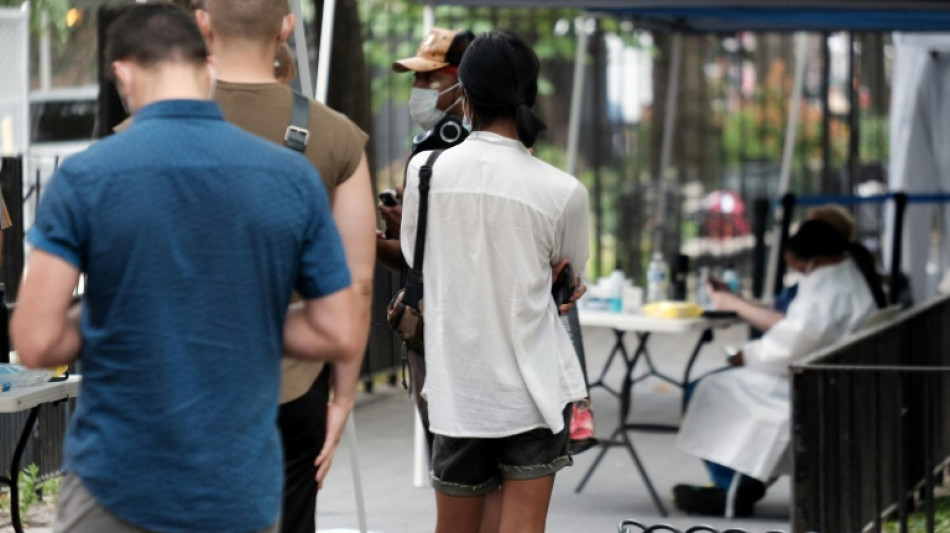
US begins clinical trial to test monkeypox vaccine / Photo: SPENCER PLATT - GETTY IMAGES NORTH AMERICA/AFP/File
 Sunken Silk Road city reveals Central Asia's lost history

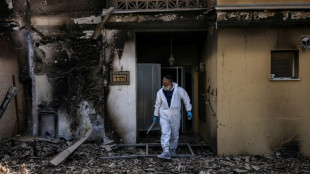 Three years on, Israeli rescuer cannot escape October 7

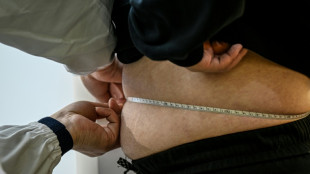 Research into weight-loss drugs tipped for Nobel as award week opens

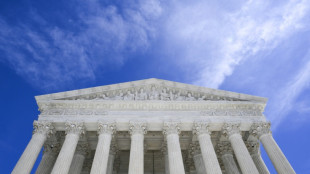 US Supreme Court hears bid to shut the door on climate suits

 Chourio walk-off single lifts Brewers over Padres
 Flavio Bolsonaro leads Lula in near-done Brazil vote count

 Flavio Bolsonaro leads Lula in partial Brazil poll results

 Titan FX Launches Second “Dream Beyond Borders 2.0” Brand Commercial Featuring Keisuke Honda

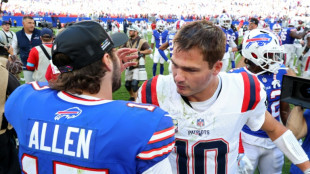
 Patriots inflict first Bills defeat as Rams surge late

 Brazil's Indigenous back Lula as El Nino fuels forest fires
 Brazil braces for results of election battle between Lula and Bolsonaro
 Indians protest election chief ahead of top court hearing
 'Verity' kills, Cruise bombs in N. American movie theaters

 Colts top Commanders in NFL London game
 Hundreds of schools to shut Monday as student protests rock France
 Three previous two-time Arc de Triomphe winners
 'Champion' Daryz wins second successive Arc in fine style
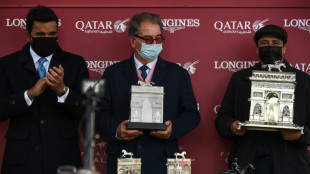
 Daryz wins second successive Prix de l'Arc de Triomphe

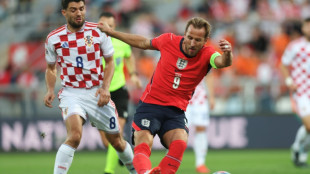 England's seven-goal spree sends message to Euro rivals: Kane

 Trump confirms national intelligence chief as new AI czar

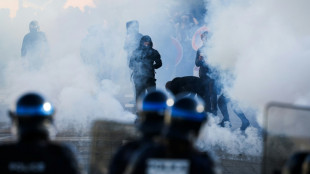 Up to 500 French schools to be totally or partly closed Monday: minister

 Sydney Roosters edge Knights in tense NRL grand final

 Sabalenka out of China Open in third round, Medvedev into semis

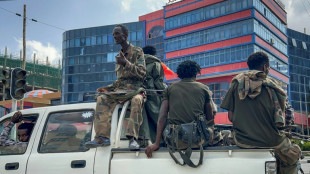 Ethiopia controls Tigray capital as regional rivals meet in Egypt

 Ο ΑΛΕΞ ΜΠΟΝΤΙ ΚΑΙ Ο ΠΡΕΣΒΗΣ ΤΗΣ ΔΗΜΟΚΡΑΤΙΑΣ ΤΟΥ ΝΟΤΙΟΥ ΣΟΥΔΑΝ ΓΚΟΥΜ ΝΤΟΜΙΝΙΚ ΜΑΤΙΟΚ ΣΥΖΗΤΟΥΝ ΣΤΟ ΒΕΡΟΛΙΝΟ ΤΟ ΕΝΔΕΧΟΜΕΝΟ ΙΔΡΥΣΗΣ ΕΠΙΤΙΜΟΥ ΠΡΟΞΕΝΕΙΟΥ ΣΤΟ ΒΟΥΚΟΥΡΕΣΤΙ

US health authorities announced Thursday they would carry out a clinical trial to test different dosing strategies of the Jynneos monkeypox vaccine, amid uncertainty over its effectiveness.
The trial will enroll 200 adults aged 18-50 across the country, and is sponsored by the National Institute of Allergy and Infectious Diseases.
The Jynneos vaccine, manufactured by Denmark-based Bavarian Nordic, has been approved by the United States for the prevention of smallpox and monkeypox in people aged 18 and older.
But while the highest-risk group, men who have sex with men, are encouraged to get the vaccine, there is no clear picture of how well it works in real world settings.
The new trial isn't designed to produce an efficacy estimate, but rather measure the immune response of different dosing levels and administration methods.
"NIAID's trial of JYNNEOS will provide important information on the immunogenicity, safety, and tolerability of alternative dosing approaches that would expand the current supply of vaccine," said NIAID director Anthony Fauci in a statement.
Among the participants, one group will be injected subcutaneously -- that is, under the skin. The vaccine is based on attenuated virus that is modified so it can't replicate, and is given in two doses 28 days apart.
A second group will receive their shots intradermally, meaning between the layers of the skin. This strategy is meant to expand the availability of vaccines because it uses one-fifth of the standard dose.
A third group will also receive their shots intradermally, but at half the dosing level of the second group.
Scientists will test the peak immune responses and compare the side effects across the groups.
President Joe Biden's administration has bet heavily on the Jynneos vaccine to stem the spread of monkeypox, which has affected more than 20,000 people in the United States since May.
But the question of how well the shot prevents infection versus minimizing disease would require further study to answer.
The current global outbreak is primarily affecting gay and bisexual men.
Historically, the virus has been spread via direct contact with lesions, body fluids and respiratory droplets, and sometimes through indirect contamination via surfaces such as shared bedding.
But in this outbreak, there is preliminary evidence that sexual transmission may also play a role.
The virus causes painful skin lesions and flu-like symptoms.
Most people fully recover, but the disease can cause serious complications, including bacterial infections, brain inflammation and death.
P.M.Smith--AMWN