'Shocking' mass bleaching drains life from Australian reef / Photo: John SAEKI - AFP
 Volkswagen boss braces German workers for more job cuts

 Olympic champion Brignone to undergo new knee operation

 The summer climate change became scorching reality for Europe

 Root angered by England's off-field 'stupid mistakes'

 Welsh rugby league 'giant' Boston dies, aged 92
 Root annoyed by England's off-field 'stupid mistakes'

 One million Afghan children suffer 'life-threatening' malnutrition: UN

 Sri Lanka trail India by 238 runs in second Test

 West Bank settlers attack AFP journalists

 MEXC Kicks Off MOVE Carnival With 0-Fee Trading and 1M USDT in Rewards

 Human rights in Myanmar hitting a 'new low': UN

 Son of Luxottica founder quits after succession row

 One million Afghan children suffering 'life-threatening' malnutrition: UN

 Real Madrid's Mourinho happy with squad despite losing out on Rodri

 Sri Lanka slump to 216-7 at tea in second India Test

 US delays Lockerbie bombing trial over new evidence

 Rohingya refugees protest dire conditions in Bangladesh camps

 Lego net profit up 32% in first half, 'stronger than expected': CEO to AFP

 German GDP growth revised upwards, defying Iran war turmoil

 STARTRADER Adds 30 U.S. Stock and ETF CFDs as 2026 Product Expansion Accelerates
 Trees 'giving up': climnate change hammers historic English gardens

 Namibia paves way for phosphate mining in the Atlantic Ocean

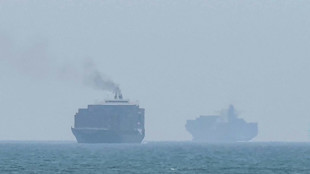 Six months into Iran war, Hormuz traffic way down, sailors stranded

 Netanyahu got his Iran war, but maybe not his desired result

 Hyundai reaches tentative deal with workers after strikes

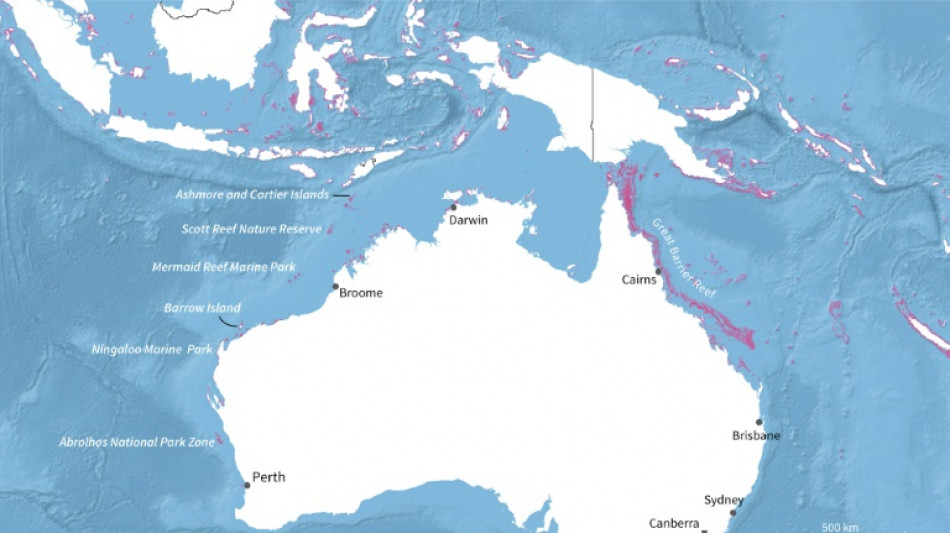
Alarming levels of coral bleaching have been recorded off Australia's western coast, scientists said Wednesday, turning huge chunks of a celebrated reef system a sickly dull white.
A months-long marine heatwave had "cooked" the sprawling Ningaloo Reef, ocean scientist Kate Quigley said, part of a world heritage-listed marine park renowned for vibrant corals and migrating whale sharks.
Although environment officials were still verifying the scale of damage, Quigley said it was on track to be the region's worst mass-bleaching event in years.
"Warm oceans have just cooked the corals this year," Quigley told AFP.
"It wouldn't be amiss to throw in the word 'unprecedented'.
"It has gone deep, it's not just the top of the reef that is bleaching. Many different species of coral are bleaching."
Branching through shallow waters along Australia's western coast, the 300-kilometre (185-mile) Ningaloo Reef is one of the largest "fringing reefs" in the world.
The unfolding mass bleaching looked to be the worst since 2011, Quigley said.
Ocean waters lapping Western Australia have been as much as three degrees warmer than average over recent summer months, according to the government weather bureau.
Rising temperatures shot past the "bleaching threshold" sometime in mid-January, according to monitoring by the US National Oceanic and Atmospheric Administration.
Bleaching occurs when warm waters trigger a biological response forcing coral to expel the colourful algae embedded in their tissues.
"Bleaching is a sickness, but it does not mean outright death," said Quigley, a research scientist with environmental charity the Minderoo Foundation.
"But if it is bad enough, the corals will die."
- 'Just shocking' -
Government data showed smaller patches of coral bleaching had also been spotted at the northern tip of the more famous Great Barrier Reef on Australia's east coast.
Quigley said the Ningaloo Reef and the Great Barrier Reef were shaped by different weather patterns -- and it was rare to see bleaching on both at the same time.
"What we're seeing is the level of ocean warming is so great, it's overriding the local conditions in some places.
"It's just shocking. When we take a national snapshot it's extremely concerning."
The Great Barrier Reef, a popular tourist drawcard, has suffered five mass bleachings over the past eight years.
Quigley said the extent of damage on the Great Barrier Reef was not currently widespread enough to be considered "mass bleaching".
Global average temperatures were the hottest on record in 2024, with prolonged heatwaves in many of the planet's oceans causing particular alarm.
Australia sits on bulging deposits of coal, gas, metals and minerals, with mining and fossil fuels stoking decades of near-unbroken economic growth.
But it is increasingly suffering from more intense heatwaves, bushfires and drought, which scientists have linked to climate change.
S.F.Warren--AMWN