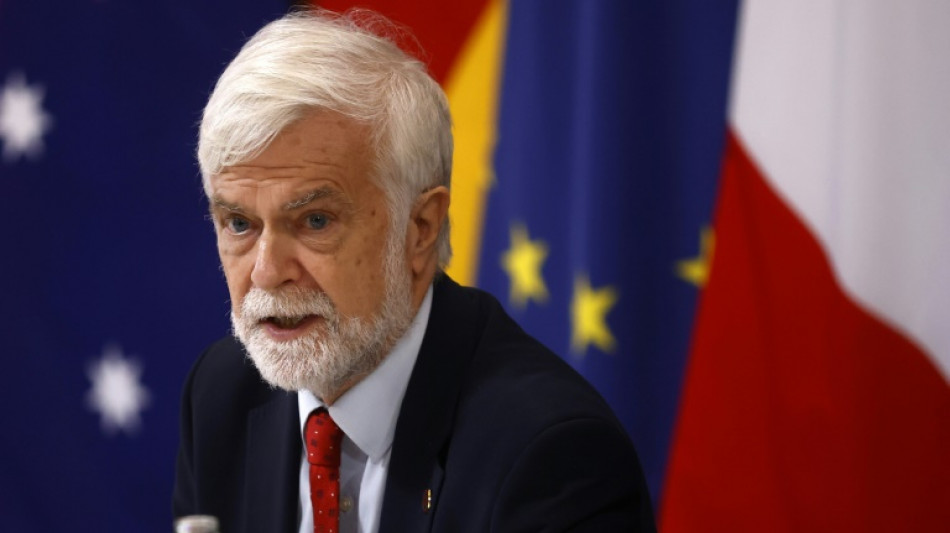
'We are not in crisis': chair of IPCC climate body to AFP / Photo: Yoan VALAT - POOL/AFP
 Volkswagen boss braces German workers for more job cuts
 Olympic champion Brignone to undergo new knee operation

 The summer climate change became scorching reality for Europe
 Root angered by England's off-field 'stupid mistakes'

 Welsh rugby league 'giant' Boston dies, aged 92
 Root annoyed by England's off-field 'stupid mistakes'
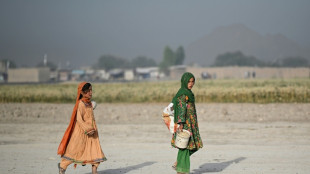 One million Afghan children suffer 'life-threatening' malnutrition: UN

 Sri Lanka trail India by 238 runs in second Test
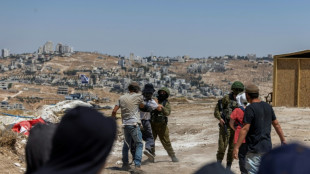 West Bank settlers attack AFP journalists
 MEXC Kicks Off MOVE Carnival With 0-Fee Trading and 1M USDT in Rewards
 Human rights in Myanmar hitting a 'new low': UN
 Son of Luxottica founder quits after succession row

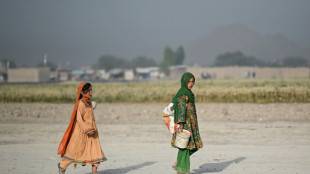 One million Afghan children suffering 'life-threatening' malnutrition: UN

 Real Madrid's Mourinho happy with squad despite losing out on Rodri
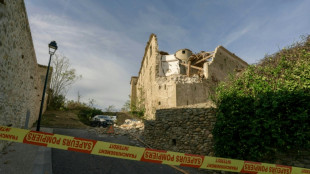
 Sri Lanka slump to 216-7 at tea in second India Test
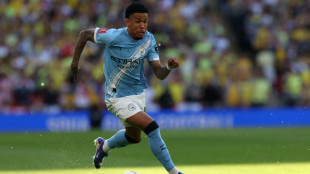
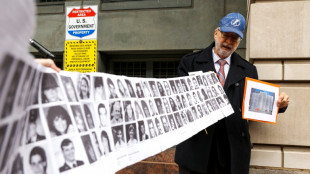 US delays Lockerbie bombing trial over new evidence

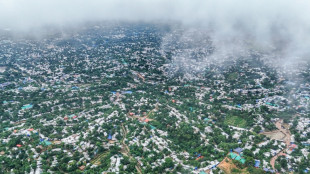 Rohingya refugees protest dire conditions in Bangladesh camps
 Lego net profit up 32% in first half, 'stronger than expected': CEO to AFP

 German GDP growth revised upwards, defying Iran war turmoil
 STARTRADER Adds 30 U.S. Stock and ETF CFDs as 2026 Product Expansion Accelerates
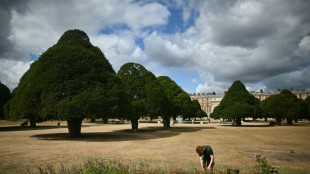
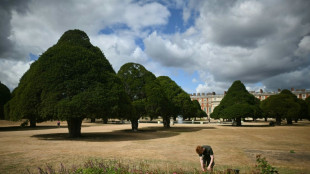 Trees 'giving up': climnate change hammers historic English gardens
 Namibia paves way for phosphate mining in the Atlantic Ocean
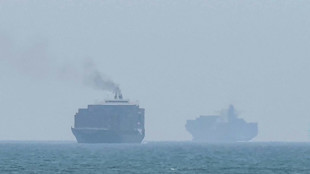 Six months into Iran war, Hormuz traffic way down, sailors stranded
 Netanyahu got his Iran war, but maybe not his desired result
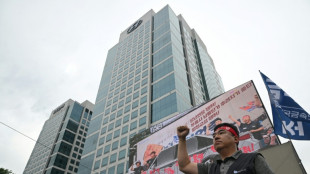 Hyundai reaches tentative deal with workers after strikes
Jim Skea insists the IPCC, the UN climate panel he chairs, is not in crisis and remains relevant despite criticism it is too slow in publishing its landmark scientific reports on climate change.
In an interview with AFP in Paris, the British sustainable energy professor addressed divisions within the IPCC, the US retreat on climate cooperation, and record-breaking global temperatures.
A: "No, I don't think the IPCC is in crisis. We will resolve this issue about the timeline. I mean, we had a lot of big successes in Hangzhou... So IPCC is moving forward.
"On the timeline issue overall, there were two options that are basically on the floor there. One for a timeline that is aligned with the second global stocktake under the Paris Agreement (due in 2028) and another one which is slower.
"And for the countries that are proposing the slower timeline, there are another set of considerations. It's about the time that's available for countries to review the draft reports of IPCC and it's about the time that's available for people from developing countries to produce literature.
"So we need to get to the issue at the next meeting of IPCC, which should take place in the last quarter of this year. And I'm optimistic we will get a solution there and move forward."
A: "We don't normally comment on who's at a particular meeting until the reports come out. But, you know, it's been widely reported that the US didn't register for, or participate in, the meeting in Hangzhou, and that is indeed the case.
"At every meeting we have 60 or 70 countries or members of IPCC that don't turn up for the meeting, don't register. The US was one of these at this meeting, and it was a business as usual meeting. We got the job done. We got the outlines of the reports agreed."
A: "It's manifestly relevant. The 1.5 (degrees Celsius) report in the last cycle just had an absolutely huge impact, globally, in terms of negotiations. And if you go along to every Conference of the Parties, you will find every delegation standing up and saying, we have to rely on the science and refer back to IPCC reports.
"So the absolute evidence there is that IPCC continues to be relevant. What we are not is a 24/7 news organisation because of these five to seven year cycles. We have a very elaborate process of review. It takes time to go through them.
"But when we produce our reports, they have the stamp of authority of the scientists and consensus among governments, and that makes them very powerful. And I think if we compromise our procedures, we would lose that authority."
A: "There's a lot of intense scientific work going on at the moment to try and understand, precisely, what's happened over the last two to three years, and what explains things.
"The understanding I have, from talking to scientists -- and just to say, I am not a physical climate scientist myself -- my understanding is that we are at the boundary of exceptional circumstances for the global indicators. But for particular regions and for example, for ecosystems, we are also well beyond the boundaries of the expected range.
"So there's a lot of work going on to try and understand that at the moment... We hope there will be enough literature to provide a better explanation when IPCC next reports, probably 2028 for the Working Group (1) Physical Science report."
A.Rodriguezv--AMWN