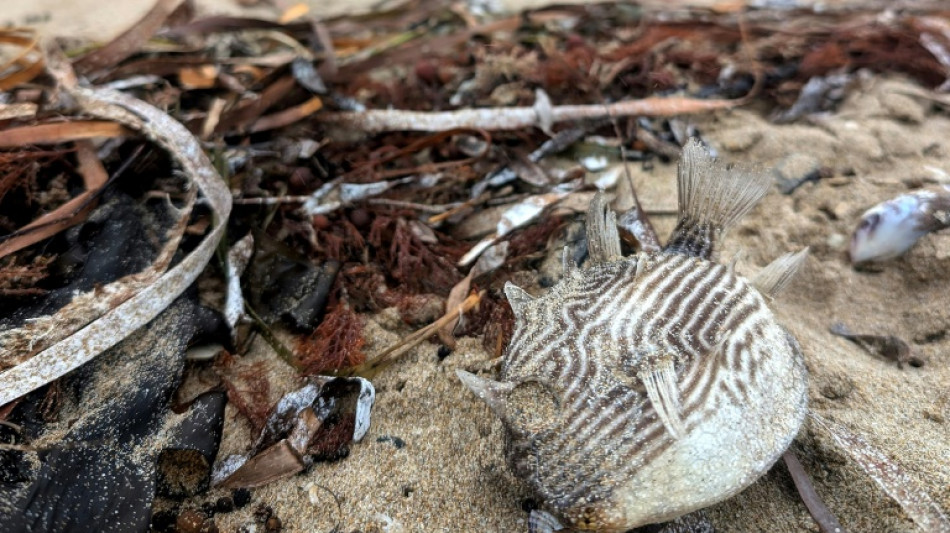
Toxic algae killing marine life off Australian coast / Photo: Brad MARTIN - OZFISH/AFP
 One million Afghan children suffer 'life-threatening' malnutrition: UN

 Sri Lanka trail India by 238 runs in second Test
 West Bank settlers attack AFP journalists
 MEXC Kicks Off MOVE Carnival With 0-Fee Trading and 1M USDT in Rewards

 Human rights in Myanmar hitting a 'new low': UN
 Son of Luxottica founder quits after succession row

 One million Afghan children suffering 'life-threatening' malnutrition: UN

 Real Madrid's Mourinho happy with squad despite losing out on Rodri
 Sri Lanka slump to 216-7 at tea in second India Test

 US delays Lockerbie bombing trial over new evidence

 Rohingya refugees protest dire conditions in Bangladesh camps
 Lego net profit up 32% in first half, 'stronger than expected': CEO to AFP

 German GDP growth revised upwards, defying Iran war turmoil
 STARTRADER Adds 30 U.S. Stock and ETF CFDs as 2026 Product Expansion Accelerates
 Trees 'giving up': climnate change hammers historic English gardens
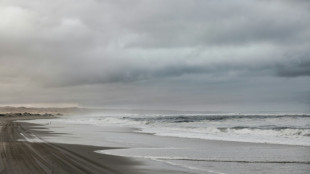 Namibia paves way for phosphate mining in the Atlantic Ocean
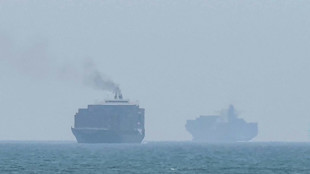 Six months into Iran war, Hormuz traffic way down, sailors stranded
 Netanyahu got his Iran war, but maybe not his desired result

 Hyundai reaches tentative deal with workers after strikes

 Once its saviour, US puts Kuwait in Iran's crosshairs
 Australia's top music charts ban AI songs
 Four Nines Gold Intersects Hydrothermal Breccia in First Three Holes at Hayden Hill

 Dermata Therapeutics Announces Commercial Launch of Tome Foundational Treatment

 SMX's Plastic Cycle Token is the Most Effective Tool in Times of War

 Lavish Enterprises Introduces FleetPath Ace, an Autonomous Operator Built to Transform How Trucking Companies Operate
A vast bloom of toxic algae is killing more than 200 species of marine life off the southern coast of Australia, scientists and conservation groups say.
The algae -- Karenia mikimotoi -- appeared in waters around South Australia state in March, causing mass deaths in species including sharks, rays, crabs and octopuses.
"There are carcasses littering beaches," said Brad Martin, a manager of the non-profit fish conservation group Ozfish.
"It is common for our volunteers to say: 'We walked for one kilometre along the beach and saw 100 dead rays and other marine life'," he told AFP.
Beaches on wildlife-rich tourist draws such as Kangaroo Island, Yorke Peninsula and Fleurieu Peninsula have been affected.
The bloom stretches across 4,400 square kilometres (1,700 square miles), Martin said -- an area larger than Japan or Germany.
Karenia mikimotoi has been detected around the world since the 1930s, including off Japan, Norway, the United States and China where it has disrupted local tourism and fishery industries, causing millions of dollars worth of damage.
But Martin said South Australia had not previously experienced a toxic algae bloom of this scale or duration.
The South Australian government said the event is thought to have been driven by a marine heatwave, as well as relatively calm marine conditions.
Marine biologist Shauna Murray, who identified the algae species for the authorities, said it damages the gills of fish and prevents them from breathing.
"It is not pleasant," said Murray, from the University of Technology Sydney.
"It will probably take some time for the ecosystem to recuperate."
While conditions usually ease towards the end of April, there had been no relief yet, South Australian Environment Minister Susan Close said this month.
"We need a big change in weather to break this thing up -- there is nothing we can do to precipitate this," she told national broadcaster ABC.
In the meantime, South Australian authorities have urged beachgoers to avoid swimming in water that is discoloured or foamy, warning that it can irritate the skin and affect breathing.
Climate change has led to an increase in the frequency and duration of marine heatwaves across Australia, which significantly affects marine ecosystems.
P.Mathewson--AMWN