Iraq oil exports $11.07 bn in March, highest for 50 years
 Monaco Housing Project Wins International Sustainability Award at COP31

 China's Factory Activity Contracts as Export Orders Weaken

 US Retail Sales and Fed Minutes Set Up a Critical Test for Consumers

 Oil Heads for Second Weekly Loss as Supply Surplus Emerges

 Brazil Faces Debt and Inflation Test as Lula Prepares Fourth Term
 Archive of Our Own Restores Service After Weeks-Long Security Shutdown
 US Mortgage Rate Falls for Fourth Week but Remains Above 7%

 Fire Erupts Near MetLife Stadium After Jets-Bills Game

 Euro-Area Growth Slows to 0.4% While Employment Stalls

 US Wholesale Inflation Eases Monthly but Hits a Four-Year Annual High

 India's Wholesale Inflation Jumps to 12.29% as Fuel Costs Surge

 Japan's Economy Edges Into Contraction as Costly Oil Weighs on Demand
 South Korea Launches Probe into NewJeans Contract Controversy

 UK Defence Secretary Warns Russia Nukes Not for Negotiation as HMS Vengeance Returns
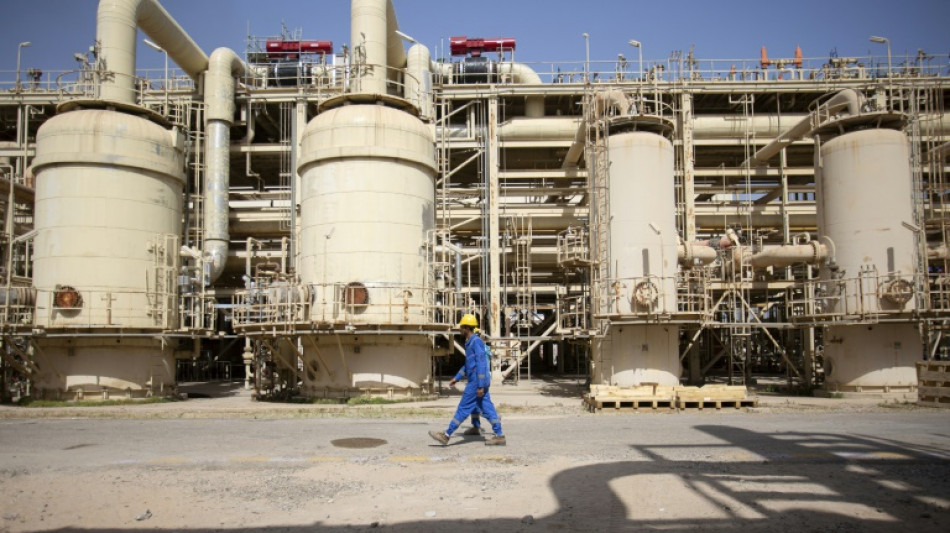
Iraq exported $11.07 billion of oil last month, the highest level for half a century, as crude prices soared amid shortfall fears following Russia's invasion of Ukraine, the oil ministry said.
The second largest producer in the Organization of the Petroleum Exporting Countries (OPEC), Iraq exported "100,563,999 barrels for revenues of $11.07 billion, the highest revenue since 1972", the ministry said.
The figures published late Friday are preliminary data but final data "generally does not vary" much, a ministry official said, speaking on condition of anonymity.
In February, oil revenues reached an eight-year high of $8.5 billion dollars, with daily exports of 3.3 million barrels of oil.
Oil exports account for more than 90 percent of Iraq's income.
Crude prices spiked over fears of a major supply shortfall after Moscow invaded Ukraine on February 24. Russia is the world's second biggest exporter of oil after Saudi Arabia.
On Thursday, the OPEC group of oil producing countries and its Russia-led allies agreed on another modest oil output increase, ignoring Western pressure to significantly boost production as the Ukraine conflict has rocked prices.
The 13 members of the Saudi-led OPEC and 10 countries spearheaded by Russia -- a group known as OPEC+ -- backed an increase of 432,000 barrels per day in May, marginally higher than in previous months.
The United States has urged OPEC+ to boost production as high energy prices have contributed to soaring inflation across the world, which has threatened to severely derail the recovery from the Covid pandemic.
While OPEC refused to budge, Washington said it would tap its strategic stockpile by a record amount in a bid to cool soaring prices.
The international benchmark contract, Brent North Sea crude, flirted with a record high in early March as it soared to almost $140 per barrel, but has retreated since then.
On Friday, oil was around $100 a barrel.
Oil revenues are critical for Iraq's government, with the country mired in a financial crisis and needing funds to rebuild infrastructure after decades of devastating war.
Iraq, with a population of some 41 million people, is also grappling with a major energy crisis and suffers regular power cuts.
Despite its immense oil and gas reserves, Iraq remains dependent on imports to meet its energy needs.
Neighbouring Iran currently provides a third of Iraq's gas and electricity needs, but supplies are regularly cut or reduced, aggravating daily load shedding.
F.Bennett--AMWN