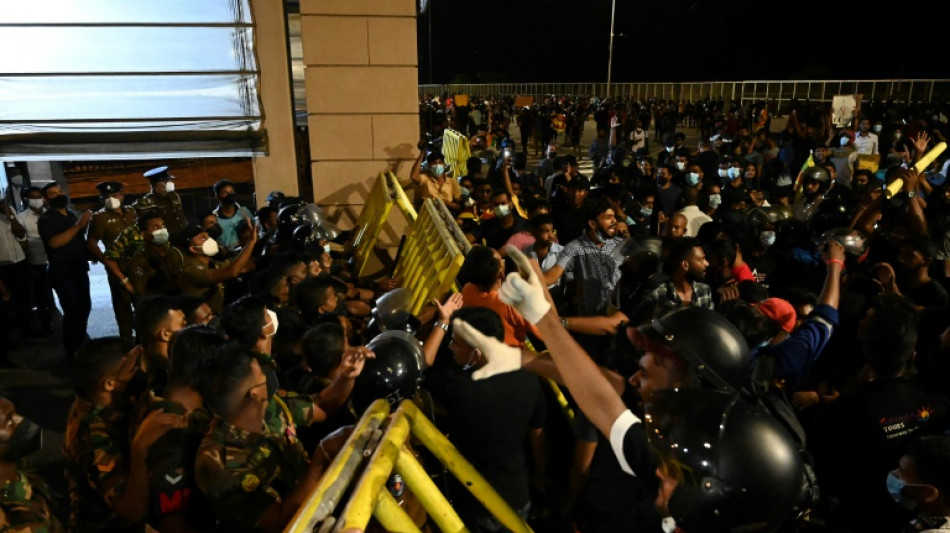
Sri Lanka parliament speaker warns crisis risks starvation
 Samsung Galaxy S27 Series Camera Design Leaked via Lens Protectors

 French Economy Shrinks 0.1% as Consumer Confidence Slumps
 Wall Street Ends Turbulent Week Higher Despite Inflation and AI Jitters

 Kansas City Fed Chief Says Inflation Is Still Running Too Hot

 Asian Markets Slide as AI Concerns Hit Chip Stocks

 Canada Signals Openness to Chinese Automakers if US Trade Talks Fail

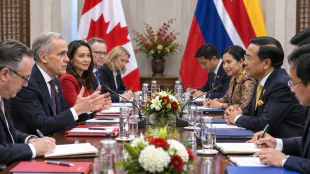 Canada Expands Asian Trade Push as US Negotiations Resume

 US Jobless Claims Rise to 200,000 but Layoffs Remain Historically Low

 Italy Raises 2026 Growth View but Warns Energy Will Keep Inflation High

 UK Economy Grows 0.7% in Third Quarter as Services Lead Expansion

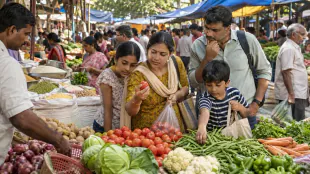 India's Retail Inflation Reaches 6.09% as Food Prices Accelerate
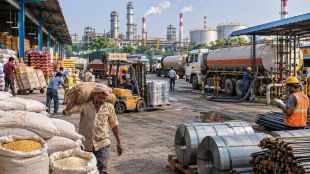
 China's October Activity Data Reveal a Weak Start to the Fourth Quarter
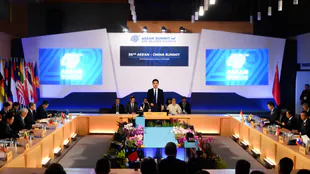 Philippines Urges ASEAN and China to Accelerate South China Sea Code of Conduct

Sri Lanka's crippling economic crisis risks starvation across the island nation of 22 million while acute shortages and blackouts will get worse, the speaker of parliament warned Wednesday.
Scarce supplies of food and fuel, along with record inflation and blackouts, have inflicted widespread misery in the country's most painful downturn since independence from Britain in 1948.
Public anger is at a fever pitch, with crowds attempting to storm the homes of several government figures -- including President Gotabaya Rajapaksa -- and large demonstrations elsewhere.
Mahinda Yapa Abeywardana told legislators that more hardships were to come.
"We are told this is the worst crisis, but I think this is just the beginning," Abeywardana said at the start of a two-day debate on the worsening economic woes.
"The food, gas and electricity shortages will get worse. There will be very acute food shortages and starvation."
Security forces have dispersed protests with tear gas, water cannon and rubber bullets, but a state of emergency imposed by the president last week to quell demonstrations was lifted at midnight.
More than 60 people had been arrested in connection with unrest and many have said they were tortured in police custody.
Legislators had pushed for a debate on the emergency decree during this week's session of parliament, where the government has lost its majority after the desertion of political allies -- several of whom have since called for Rajapaksa's resignation.
Opposition parties had already rejected the president's overture to form a unity administration after the resignation of nearly the entire cabinet late on Sunday.
But there has so far been no clear signal that opposition legislators will attempt a no-confidence motion to topple the Rajapaksa administration.
- Prior warnings -
A critical foreign currency shortage has left Sri Lanka struggling to import essential goods, with the pandemic torpedoing vital revenue from tourism and remittances.
Rating agencies have warned of a potential default on Sri Lanka's $51 billion foreign debt, and authorities are unable to raise more commercial loans because of credit downgrades.
Economists say the crisis has been exacerbated by government mismanagement, years of accumulated borrowing and ill-advised tax cuts.
Agriculture ministry secretary Udith Jayasinghe warned in December that the country could face a famine due to the government's decision to ban agrochemical imports last year.
The decision, taken in an apparent effort to shore up foreign currency reserves, saw farmers leave their fields barren instead of toiling over crops without the aid of fertiliser and pesticides.
Jayasinghe was sacked within hours of issuing his warning.
Sri Lanka has said it will seek an IMF bailout to overcome the crisis but negotiations are yet to begin, and the country's latest finance minister resigned Tuesday after just one day in office.
L.Harper--AMWN