Indonesia passes law paving way for capital's move to Borneo
 NFL Giants obtain QB McCarthy from Vikings

 Deal for evicted Spanish pensioner as PM seeks new housing law

 Clippers apologize, warn fans of 'challenges' after Leonard scandal

 Turkish comedian convicted for Erdogan 'insult' freed pending appeal

 Trump announces 'biggest' US steel plant in battleground Iowa

 Olise wonder strike gives Zidane's France win in Belgium

 US stocks fall, bond yields rise as Middle East war drags on

 Trump denies offering to sell arms to China's Xi

 Wemby ready for NBA Spurs to move rivals in climb to top

 Ukraine to postpone some spending amid delays in aid: PM
 Tuchel says Czech Republic game 'not yet a must-win'

 MaXhosa puts South Africa on the Paris fashion map

 Rose, Scott among 2027 World Golf Hall of Fame finalists

 Brunson says NBA champion Knicks can't get satisfaction

 France puts out largest wildfire since 1949

 Real Madrid's Perez summoned over Barcelona referee payments comments

 Oil takes off again, Wall Street dips after Trump rejects Iran truce offer

 AlgoQuant Asset Management Selects Liquid Mercury to Enhance Digital Asset Trading Infrastructure

 UK to reopen refugee resettlement scheme to push 'safe' migration

 Pope urges Europe to help combat 'lies and deceit' in world affairs

 Iranian lawyer Nasrin Sotoudeh wins Council of Europe's rights prize

 French far-right's Bardella denies alleged 2013 antisemitic comments
 Oil up, Wall Street dips after Trump rejects Iran truce offer

 Gakpo withdraws from Netherlands squad

 SpaceX puts Starship megarocket in orbit for first time
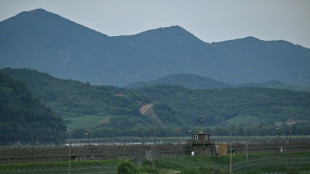
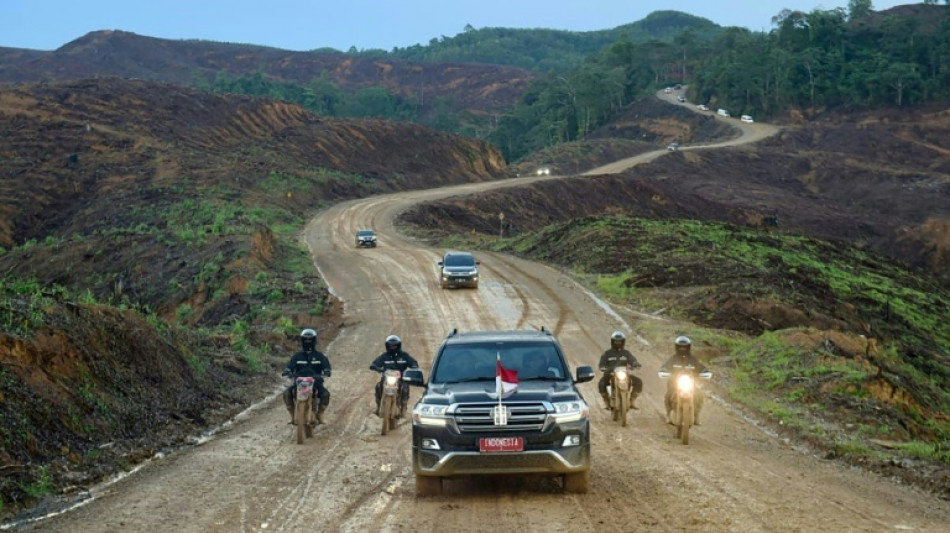
Indonesia's parliament on Tuesday passed a law approving the relocation of its capital from slowly sinking Jakarta to a site 2,000 kilometres (1,200 miles) away on jungle-clad Borneo island that will be named "Nusantara".
The House of Representatives vote provides the legal framework for the move, which was first tipped by President Joko Widodo in April 2019, citing rising sea levels and severe congestion on densely populated Java island.
Home to more than 30 million people in its greater metro area, Jakarta has long been plagued by serious infrastructure problems and flooding exacerbated by climate change, with experts predicting up to a third of the city could be underwater by 2050.
The new capital will cover about 56,180 hectares (216 square miles) in East Kalimantan province on the Indonesian part of Borneo, which the country shares with Malaysia and Brunei.
In all, 256,142 hectares have been set aside for the project, with the additional land intended for potential future expansion.
Early plans for the new capital depict a utopian design aimed at creating an environmentally friendly "smart" city, but few details have been confirmed.
Plans to begin construction in 2020 were hampered by the onset of the Covid-19 pandemic.
Environmentalist critics of the capital's move have warned it could damage ecosystems in the region, where mining and palm oil plantations already threaten rainforests that are home to Borneo's endangered species.
On Monday, Widodo said the new capital would be one "where the people are close from any destination, where they can bike and walk everywhere because there are zero emissions".
"This (capital) will not only have government offices, we want to build a new smart metropolis that can be a magnet for global talent and a centre of innovation," he said in a speech at a local university.
"Nusantara", which means "archipelago", was chosen from a list of 80 names because it was widely recognisable by Indonesians and easy to memorise, the nation's development minister, Suharso Monoarfa, said Monday.
The new city will be governed by a body dubbed the State Capital Authority, with leadership appointed to five-year terms directly by the president, according to Tuesday's legislation.
Budget details have not yet been revealed in a presidential decree, though previous reports have pegged the project's costs at $33 billion.
Indonesia is not the first country in the region to relocate from an overpopulated capital.
Malaysia moved its government to Putrajaya from Kuala Lumpur in 2003, while Myanmar moved its capital to Naypyidaw from Rangoon in 2006.
P.Mathewson--AMWN