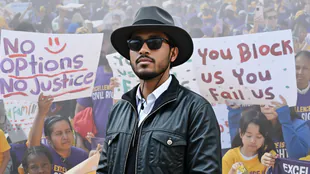
Australia to ban under-16s from YouTube / Photo: Lionel BONAVENTURE - AFP/File
 Samsung Galaxy S27 Series Camera Design Leaked via Lens Protectors

 French Economy Shrinks 0.1% as Consumer Confidence Slumps
 Wall Street Ends Turbulent Week Higher Despite Inflation and AI Jitters
 Kansas City Fed Chief Says Inflation Is Still Running Too Hot

 Asian Markets Slide as AI Concerns Hit Chip Stocks
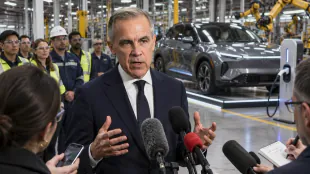 Canada Signals Openness to Chinese Automakers if US Trade Talks Fail

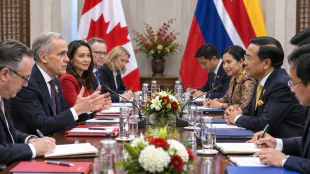 Canada Expands Asian Trade Push as US Negotiations Resume

 US Jobless Claims Rise to 200,000 but Layoffs Remain Historically Low
 Italy Raises 2026 Growth View but Warns Energy Will Keep Inflation High

 UK Economy Grows 0.7% in Third Quarter as Services Lead Expansion
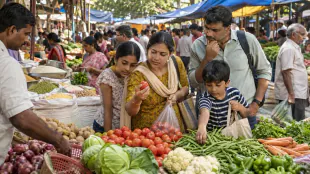 India's Retail Inflation Reaches 6.09% as Food Prices Accelerate

 China's October Activity Data Reveal a Weak Start to the Fourth Quarter

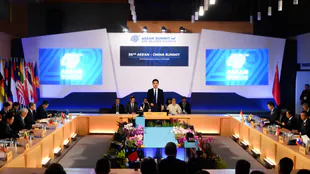 Philippines Urges ASEAN and China to Accelerate South China Sea Code of Conduct

Australia will use landmark social media laws to ban children under 16 from video-streaming site YouTube, a top minister said Wednesday stressing the need to shield them from "predatory algorithms".
Communications Minister Anika Wells said four-in-ten Australian children had reported viewing harmful content on YouTube, one of the most visited websites in the world.
"We want kids to know who they are before platforms assume who they are," Wells said in a statement.
"There's a place for social media, but there's not a place for predatory algorithms targeting children."
Australia announced last year it was drafting laws that will ban children from social media sites such as Facebook, TikTok and Instagram until they turn 16.
The government had previously indicated YouTube would be exempt, given its widespread use in classrooms.
"Young people under the age of 16 will not be able to have accounts on YouTube," Prime Minister Anthony Albanese told reporters on Wednesday.
"They will also not be able to have accounts on Facebook, Instagram, Snapchat, TikTok, and X among other platforms.
"We want Australian parents and families to know that we have got their back."
Albanese said the age limit may not be implemented perfectly -- much like existing restrictions on alcohol -- but it was still the right thing to do.
- Not 'social media' -
A spokesman for YouTube said Wednesday's announcement was a jarring U-turn from the government.
"Our position remains clear: YouTube is a video sharing platform with a library of free, high-quality content, increasingly viewed on TV screens," the company said in a statement.
"It's not social media."
On paper, the ban is one of the strictest in the world.
But the current legislation offers almost no details on how the rules will be enforced -- prompting concern among experts that it will simply be a symbolic piece of unenforceable legislation.
It is due to come into effect on December 10.
Social media giants -- which face fines of up to Aus$49.5 million (US$32 million) for failing to comply -- have described the laws as "vague", "problematic" and "rushed".
TikTok has accused the government of ignoring mental health, online safety and youth experts who had opposed the ban.
Meta -- owner of Facebook and Instagram -- has warned that the ban could place "an onerous burden on parents and teens".
The legislation has been closely monitored by other countries, with many weighing whether to implement similar bans.
T.Ward--AMWN