Cuba slaps new tax on food sales as economic woes hit hard
 Energy costs spark inflation surges in France, Italy

 South Korea break China hearts to reach Asian Games football final

 Eala storms into Asian Games semi-finals to thrill adoring fans

 Turkey freezes ex-minister's assets as fund crisis grows

 What we know about the North Korean POW dispute

 Most equities rise after oil price plunge, US data in focus

 Polar oceans transformed as warming melts ice habitats: research

 Lost shark becomes viral star in South Korea

 Dangote to launch $16bn refinery in Kenya

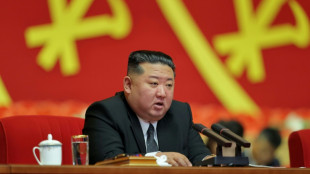 North Korean leader 'extremely obese': Seoul spy agency

 Yankees and pope-backed White Sox start MLB playoffs with wins

 Malaysia's ex-PM Mahathir in hospital for observation

 'No limits': Marathon world record holder Sawe chasing history

 Countdown begins to biggest-ever Rugby World Cup

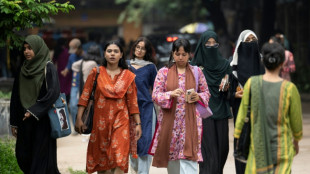 Bangladesh women lose ground after quota reform

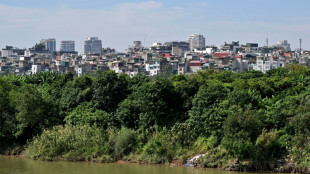 Vietnam admits 'differing opinions' on Hanoi development

 Stocks temper gains as oil pares heavy losses, US data in focus

 New Zealand denies breaching climate commitments to EU

 Albert becomes youngest US scorer in 4-2 win over Chile
 Pirate island's plunging population shows Greece's demographic decline
 With elections ahead, Latvia's Russian-speakers reject Moscow's help

 Brazil football clubs face massive sponsorship blow from betting ban
 ChatGPT maker wants to be the App Store for AI as safety concerns grow

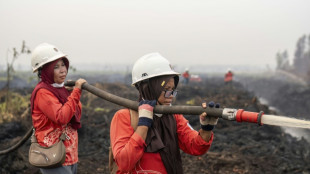 Women fight fires and sexism in Indonesian Borneo

 Forsling's OT blast lifts Florida over Carolina in NHL opener

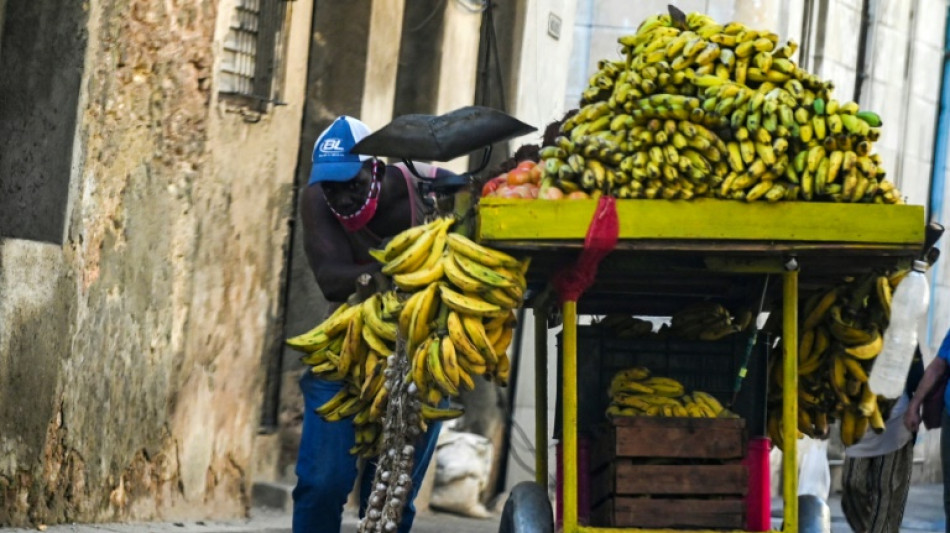
Cuba on Saturday announced a new 10 percent tax on retail food sales, as the country endures economic woes marked by rampant inflation.
The levy taking effect Monday will target self-employed people and small- and medium-sized companies in the retail food sector, said the decree published in the official government gazette. These sales were only allowed starting in August of last year as part of reforms in the communist run island.
Cuban economist Pedro Monreal wrote on Twitter that the new tax will probably have two effects: higher food prices and more inequality among the Cuban people.
Monreal said it will hurt "lower income households that spend a relatively higher percentage of their resources on food."
Monetary reforms applied last year caused prices of goods and services to shoot up in Cuba, mainly those of food. Inflation last year came in at 70 percent.
People have to wait in long lines for scarce supplies of food and medicine.
Cuba imports 80 percent of the food it consumes. Its purchases have declined drastically due to a shortage of hard currency and because of international transport problems stemming from the Covid pandemic.
X.Karnes--AMWN