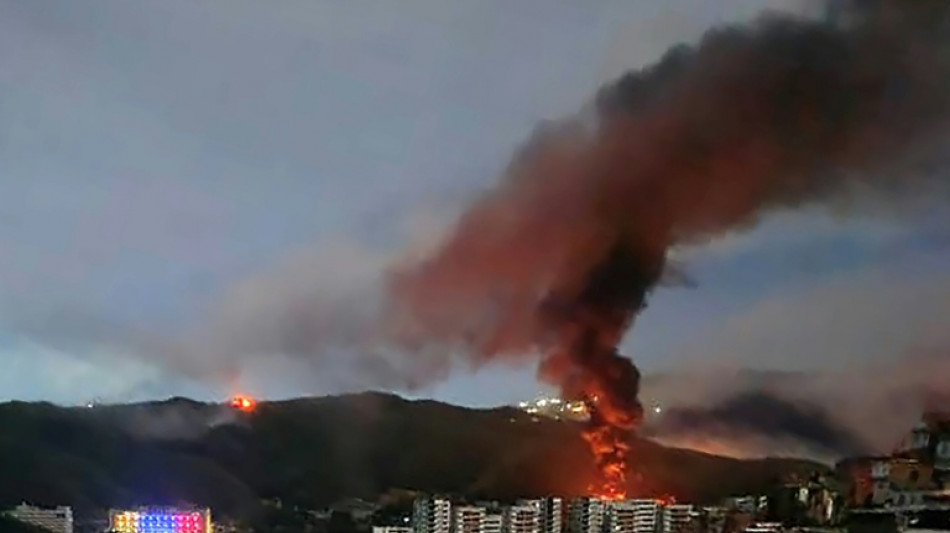
Sleeping with one eye open: Venezuelans reel from US strikes / Photo: STR - AFP/File
 IMF cuts 2026 world growth forecast, flags risks from new Mideast fighting
 Kostyuk sets up Wimbledon semi-final against Noskova
 Noskova reaches first Wimbledon semi-final
 Air Canada taps new CEO to replace chief who couldn't speak French
 Istanbul mayor ejected from court in corruption case
 Landslide kills eight at refugee school in Bangladesh
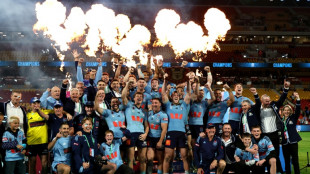 Cleary leads NSW past Queensland to regain State of Origin crown
 MEXC Adds Nine Ondo Tokenized Stock and ETF Trading Pairs Tied to AI Infrastructure Demand
 Oil prices surge, stocks slide as Trump says Iran ceasefire over
 Sunken wrecks, hot seas threaten fishermen on Italian isle
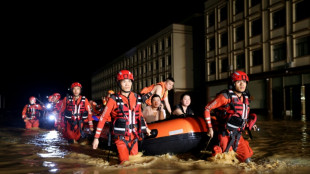 Rescuers search for survivors of China storms as super typhoon nears
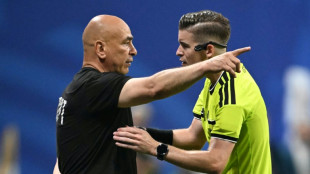 Egypt file complaint against referee after controversial World Cup exit
 Apple loses challenge against EU digital competition rules
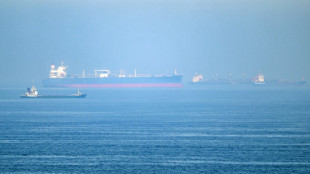
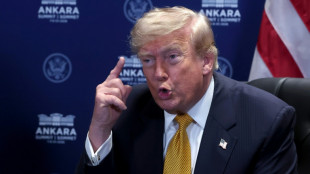 Trump says Iran ceasefire 'is over'
 Rescuers search for missing in China storms after 100,000 flee

 OpenAI to launch new model after US freeze
 UK museums at 'sharp end' of climate change challenge
 In Mauritania, Imraguen people's desert-ocean paradise under threat
 Iraq's holy cities host funeral processions for Khamenei
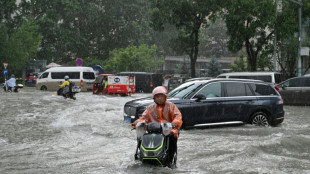 Rescuers search for missing in China storms after 100,000 evacuated
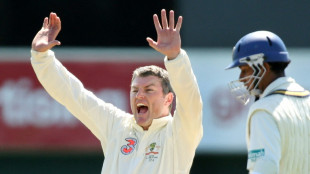 Ex-Australia cricketer MacGill loses appeal against cocaine conviction
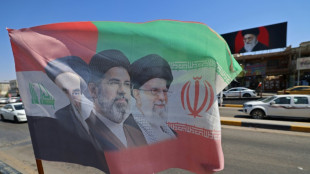 Oil prices extend rally as US strikes on Iran revive geopolitical fears
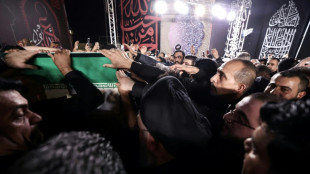 Iraq's holy cities to host funeral processions for Khamenei
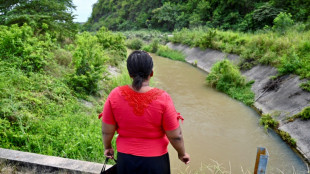
 In Venezuela's quake ruins, a baby is born
 What to know about the total solar eclipse due in August
Since the January 3 capture of autocrat Nicolas Maduro in a US military raid that killed dozens, Caracas resident "J" has been unable to sleep -- one of countless Venezuelans left psychologically scarred by the event.
When she closes her eyes, she relives the wild shaking of her bed, her teenaged son clinging to her in fear, as explosions lit their apartment in an eery yellow glow and neighbors' screams filled the air.
"I feel insecurity, shame, anger. I feel many things, but mainly I feel fear," the 50-something woman told AFP in a trembling voice weeks after the strike.
"J" and others who spoke to AFP were too afraid to give their names at a time the state machinery is rounding up anyone perceived to support the US attack.
Venezuela was estimated to have hundreds of political prisoners before the US intervention. And though it has started to release them under pressure from Washington, new arrests of government critics have been reported.
"J" is jumpy, wakes up at the slightest noise at night, and has to take sleeping pills to suppress the fear-inducing memory of the pre-dawn attack on the Fuerte Tiuna military complex, just a stone's throw from her Caracas apartment.
In a country that has not seen war since the 19th century, the unprecedented US military incursion rattled many.
"People are deeply affected -- we could even say they're experiencing post-traumatic stress. That means they have sleep problems, recurring thoughts, negative thoughts, intense fear," psychologist Yorelis Acosta told AFP.
"They're truly in a heightened state of alert that requires specialized care."
- 'Have to keep going' -
US President Donald Trump has warned that further military action remains possible in Venezuela if its interim government does not toe Washington's line, especially on access to its vast oil resources.
And this worries Venezuelans who never expected to see American bombs dropped on their cities.
"I know another bombing can happen," said another woman, who called herself "L."
Since witnessing the aerial attack on Fuerte Tiuna, she has a change of clothes hanging near the front door and an emergency grab bag at the ready with canned food, water, a knife and first aid articles.
"I still need to pack a flashlight and some crackers," she said, determined that any future strikes won't "catch me napping."
"I can't put my life on hold just to let terror win. I wouldn't say I don't feel it, but we have to keep going," said L, a mother of two.
She said she had no intention of seeking out therapy in a country where mental health treatment is taboo and an unaffordable luxury for many.
After the US incursion, the Venezuelan Psychologists' Federation extended the hours of its free hotline.
The phones haven't stopped ringing.
Half of the calls are from people with "symptoms linked to anxiety, panic attacks, callers who are highly agitated and distressed," said hotline coordinator Paola Hernandez, a psychologist herself.
- 'We can only pray -
A third woman, who goes by "M," showed AFP a photo on her mobile phone of an orange and gray plume of smoke rises from Fuerte Tiuna.
Then she deleted it.
"I can't be walking around with that," she said. "Imagine if they find it on me in the street."
NGOs including Espacio Publico have reported a trend of warrantless cellphone searches at police checkpoints in Caracas and elsewhere.
Officers comb through phones for words such as "bombing," "Trump" or "Maduro" on messaging platforms, and check people's photo galleries.
For her part, "J" says she is equally scared at home or out on the street.
"We can only pray they don't put us in the same situation again," she said.
"All we have is the here and now."
L.Harper--AMWN