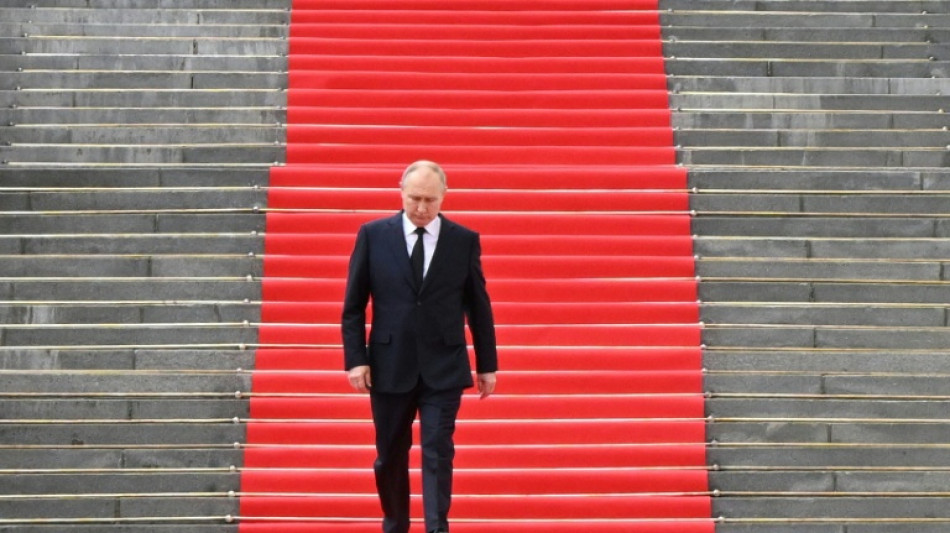
Putin, Russia's eternal leader defined by war and power / Photo: Sergei GUNEYEV - POOL/AFP/File
 Japanese forward Hachimura signs with Clippers: reports
 After designing Taylor Swift's wedding dress, Dior's Anderson returns to catwalk
 Russian strikes kill 22 in Kyiv region on eve of NATO summit
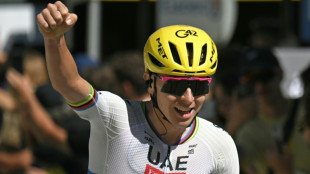
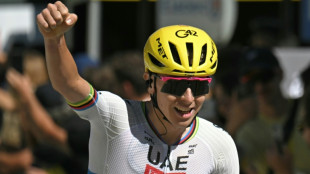 Pogacar back in 'special' yellow after Tour de France stage three victory
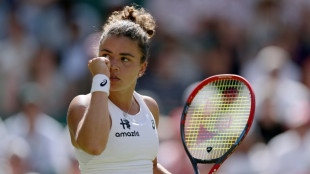 Paolini ends Eala run ahead of Wimbledon wildcard clash
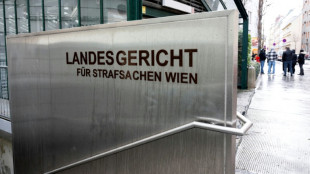 Austrian court sentences Syrian torturers to 8 years in jail
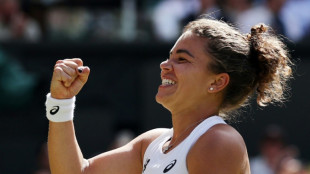 Paolini ends Eala run to reach Wimbledon quarters
 Cobolli makes second successive Wimbledon quarter-final
 UK's Farage under the cosh over undeclared finances
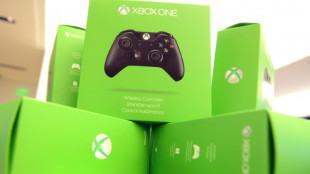 Microsoft cuts 4,800 job as it revamps Xbox
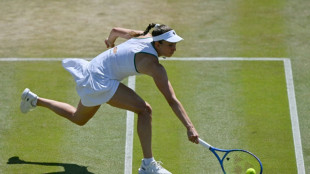 Mertens reaches Wimbledon last eight for first time
 Rennes buy young striker Mayenda from Sunderland
 Russian strikes kill 18 in Kyiv region on eve of NATO summit
 Netflix, Disney+, Amazon appeal French investment rules
 Thousands flee new wave of European wildfires
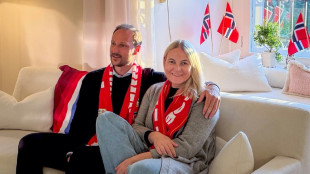 Norway releases first image of crown princess after lung transplant
 Stock markets diverge as tech recovery stutters
 Springboks recall Papier and make 10 changes for Scotland Test
 Indonesia, Singapore say key oil passage will remain 'accessible'
 USA face Belgium and World Cup date with destiny after Trump intervention
 Oldest quasars ever discovered add to 'perplexing' space mystery
 German factory orders unexpectedly rebound in May
 Russian strike kills 14 around Kyiv on eve of NATO summit
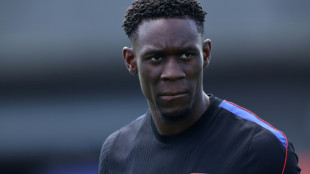 USA face Belgium and World Cup date with destiny after Balogun reprieve
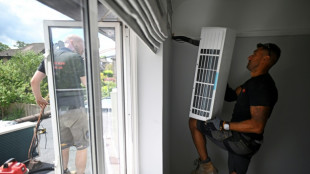
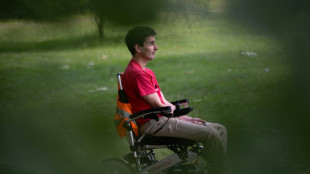 Immobilised by heatwave, handicapped man sues Austria in rights court
Vladimir Putin's four-year-long invasion of Ukraine is the culmination of a quarter century spent tightening his grip on power, crushing opponents and trying to expand Russia's influence -- and borders.
Whatever the outcome of the war that has killed hundreds of thousands, wrought massive destruction and forever changed both countries, it will be the central aspect of the 73-year-old's legacy.
The Kremlin leader hopes victory will place him alongside the likes of Peter the Great in the pantheon of Russia's most consequential leaders.
For him, it is existential.
"Russia is fighting for its future, for independence, for truth and justice," Putin said in a Kremlin ceremony honouring Russian soldiers in February.
That narrative has been largely rubbished in the West and Kyiv, which see the offensive as a brutal, imperialistic land grab.
Putin's uncompromising approach to the war is emblematic of how he has run the world's largest country.
Asked about his philosophy in a 2017 documentary he drew on his love of judo: "You can and should be flexible. Sometimes you can give in, but only if it leads to victory."
- Chechnya, oligarchs, rivals -
Since coming to power on the final day of 1999, cracking down, not giving in, has been his preferred course.
First, it was Chechnya and the alleged atrocities committed by Russian forces there.
The ruthlessness of Putin's public rhetoric -- overseeing the conflict first as prime minister -- helped catapult him into the Kremlin.
Then came the oligarchs.
The 2003 arrest of Mikhail Khodorkovsky and expropriation of his Yukos oil giant both a warning and harbinger of what would come.
As the 2000s oil boom enriched Russia, he ramped up the smothering of civil liberties.
Those who spoke out were increasingly silenced.
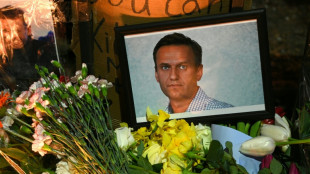
Politician Boris Nemtsov, gunned down just metres from the Kremlin in 2015; double agent Alexander Litvinenko, poisoned with radioactive polonium in London; and opposition leader Alexei Navalny, who died in prison in 2024 in what European states say was another poisoning -- just some who met a grisly end after crossing Putin.
The Kremlin rejects it ordered or orchestrated any of the deaths.
- 'Western globalist elites' -
For much of this time, Putin's Western partners looked on.
Relatively cheap Russian energy was flooding into Europe, few wanted to break off nascent ties with the world's largest nuclear power, and Putin had positioned himself as an ally in the war on terror.
That started to change with Moscow's 2014 annexation of Crimea. Russia was hit with sanctions and kicked out of the G8.
Any goodwill left was obliterated by Putin's decision to launch a full-scale offensive on Ukraine on February 24, 2022.
Four years and hundreds of thousands of deaths into a war he hoped would last a few days, the conflict has consumed Putin.
"This is going to end up being the defining element of his presidency, whether the war drags on or whether it ends this year," British historian and long-time Putin watcher Mark Galeotti told AFP.
Putin has come to see it as one front in a civilisational struggle between Russia and the West.
"The Western globalist elites," he said in 2023, are "provoking bloody conflicts and coups, sowing hatred, Russophobia and aggressive nationalism, destroying family and traditional values."
- 'Using' people -
Born in post-war Leningrad -- now Saint Petersburg -- Putin trained as a lawyer and then joined the KGB spy service, which despatched him to East Germany in the 1980s.
When the Berlin Wall came down and crowds marched on his Dresden field office, he was shovelling confidential documents into a furnace. Moscow, he recalled, "was silent".
The collapse of the Soviet Union deeply affected him.
Returning to his hometown amid the chaos of the post-Soviet era, he rose through the ranks of the city administration as a "colourless" official, journalist M. Gessen recounted in a biography titled "The Man Without a Face".
"He's not especially charismatic," Galeotti said. But he has a "particular skill" for "using" people, he added.
Putin's private life is just one of the topics that is off-limits inside Russia.
Officially, he is divorced with two daughters -- trained scientists who hold senior positions in state-linked organisations.
But he is widely reported to be in a relationship with 42-year-old former Olympic gymnastic champion Alina Kabaeva. Rumours of other children abound in independent and international media.
He has never commented.
Asked during his annual phone-in show in December 2025 whether he was "in love", Putin responded with a single word: "Yes."
D.Sawyer--AMWN