Children's lives at risk from US funding cuts to vaccine alliance: CEO / Photo: Fabrice COFFRINI - AFP
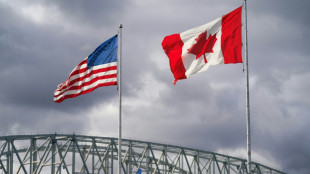
 Trump pauses 50% tariffs on Canadian goods for three days

 Five Premier League stars to watch this season

 China's robots open to opportunities in search of commercial breakthrough
 Tech leads losses as Asian stocks track Wall St selloff

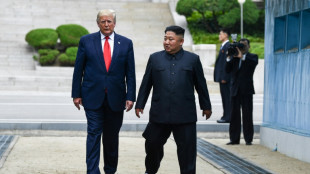 US, South Korea cut drills short after Trump criticism
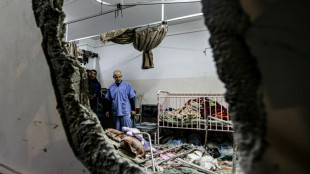
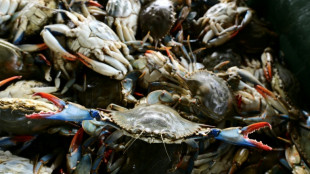 Italian scientists bet on octopus to fight crab invasion
 New 'Insidious' reflects anxiety of being a new parent: director

 No.1 Sabalenka slams Wang to advance at Cincinnati
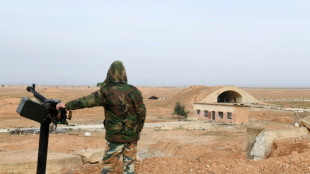
 Turkey rejects Israeli claims after strike on Syria air base
 Climate change main driver of European ocean warming: study
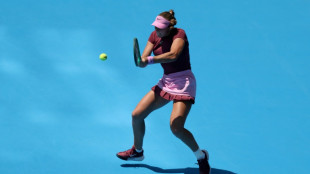 Gauff finds a way into the Cincinnati fourth round

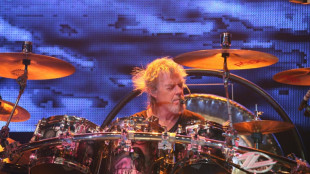 ZZ Top drummer Frank Beard dies at age 77
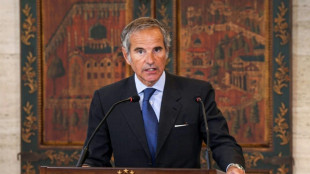
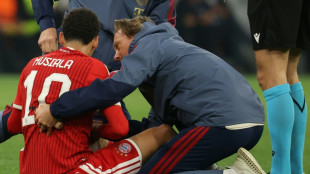 Bayern's Musiala reveals 'neurological disorder' after on-field collapse
 Angelique Kidjo immortalised on Hollywood Walk of Fame
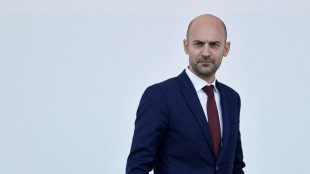 France to expel two Iranian diplomats: foreign minister

 Spain's Granada closes iconic Alhambra as new quake hits
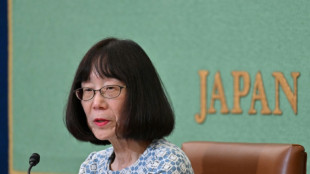
 Venus, Stephens, Monfils named among US Open wild cards
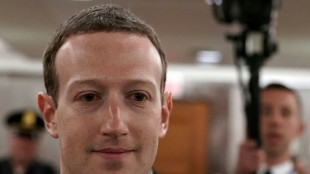
 Rodri joins La Liga champions Barcelona from Manchester City

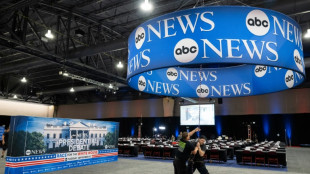 Disney, ABC sue US regulator over threat to broadcast licenses

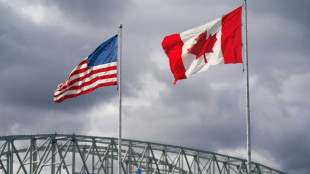 Trump, Carney hold talks as new US tariffs on Canada loom

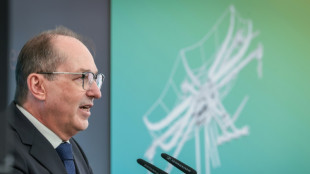 Germany opens new drone research centre as security threats mount
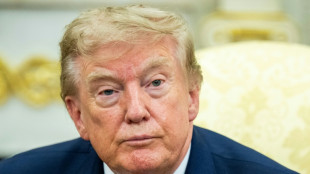
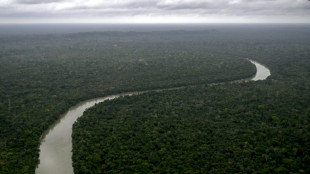 How only a few tree species drive Amazon forest recovery
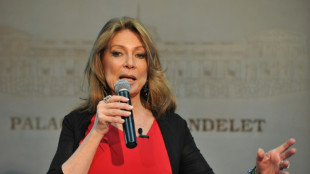 Ivonne A-Baki enters race to be next UN chief
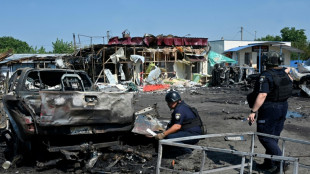 Ukraine says Russian strike kills 10 in northeast region
 Meta in court over child social media addiction
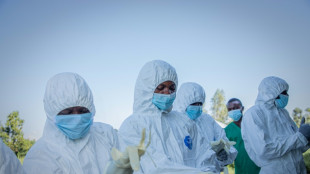
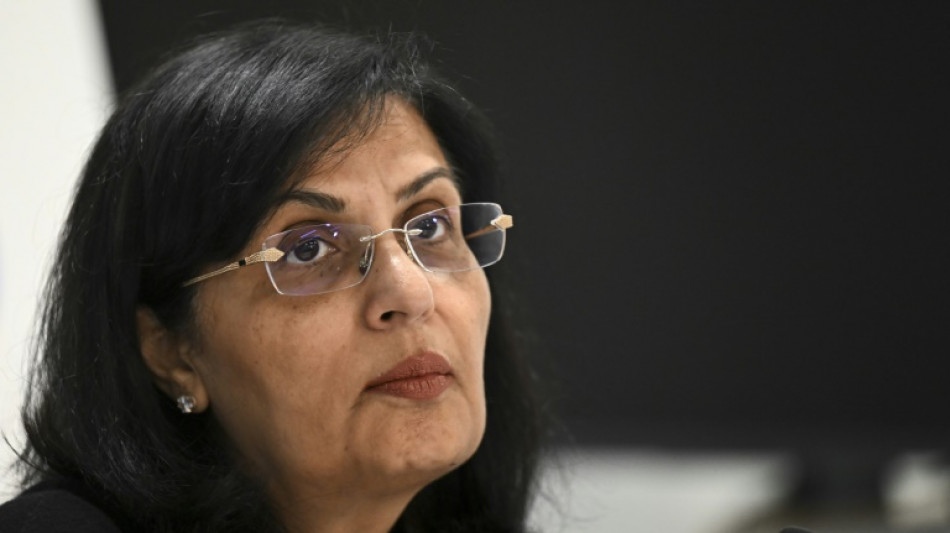
The head of a global vaccine organisation told AFP on Friday that aid cuts by the United States and other donors have forced it to slash its malaria programme in Africa, threatening tens of thousands of children's lives.
Gavi, the Vaccine Alliance, brings together government and private donors to help developing countries acquire jabs for key diseases at affordable prices.
Last year, the United States pulled support worth $1.58 billion, with its vaccine-sceptic health secretary Robert F. Kennedy Jr claiming without evidence that there were safety concerns.
"Our malaria programme has taken the heaviest cuts," Gavi CEO Sania Nishtar told AFP in an interview from Rwanda.
Gavi has been supporting the rollout of the malaria vaccine, approved in 2021, in 25 countries across Africa, where the disease claims some 600,000 lives a year, mostly children.
The goal of reaching 85 percent coverage in the targeted countries by 2030 has been reduced to 70 percent, she said.
Gavi had projected the rollout would prevent 180,000 deaths, and while final spending choices still rest with African governments, the impact of the cuts "will likely be tens of thousands of children's lives lost", said Nishtar.
"This is hugely disappointing," she added.
"If you've ever seen a child with malaria convulsions in a hospital, you know what this means. It's a horrible sight."
- African vaccines -
Nishtar also told AFP of the challenges in its effort to develop vaccine manufacturing in Africa -- an issue brought into stark relief during the Covid pandemic when developed countries hoarded jabs, leaving Africans last in line.
Gavi announced a $1 billion subsidy programme in 2024 to help potential African vaccine-makers get up and running.
But 18 months later, "none of the manufacturers have been able to redeem a subsidy as of now", said Nishtar.
Firms in South Africa, Senegal, Morocco and Ghana are among those in the hunt but Nishtar said it was clear they needed more upfront financing and support to get labs and production lines off the ground, and she would be proposing that to Gavi's board in July.
"We are bending backwards to help but we don't have a magic wand," she said, calling on African governments to help with tax breaks and investments of their own.
- 'Silver lining' -
Gavi had aimed to collect $11.9 billion for its 2026-2030 strategy but is still short by $1.9 billion, mostly due to the US withdrawal but also caused by reductions from other Western donors.
Nishtar was reluctant to criticise Washington, which she hopes can still be convinced to rejoin the alliance.
"We are very hopeful of a renewed partnership with the US because they are so important to Gavi," she said.
The cuts also had a "silver lining", she said, by encouraging African governments to invest more in their health systems despite financial challenges.
"Africa needs help at this point in time, and we should all support them," said Nishtar.
"But African heads of states are allocating monies towards health and finding innovative ways of doing that: earmarked taxes, special levies... There is a willingness to invest," she said.
"Last year, we ended with $300 million in co-financing contributions (from Africa) tangibly in our bank account."
M.Thompson--AMWN