-
 Drugs giant AstraZeneca reveals higher profits, savings plan
-
China denies spying on Nvidia's Jensen Huang

-
 French economy 'headed for a wall' as GDP shrinks
-
BP net profit quadruples on higher oil prices
-
 South Korea to prosecute students cheating with smart glasses
-
Kiss backs 'hungry' Beale to push for Wallabies game time
-
 Surging costs of living top US voter concerns
-
World number one Rybakina withdraws in Tokyo with injury

-
 Basic services, fading loyalties loom over South Africa's vote
-
Malawi's fuel shortages, record prices deepen economic crisis
-
 Shock, vindication, regret: Scientists react to AI roiling life's work
-
Rubio hosts G20 ministers as Iran, Ukraine wars divide members

-
 Crypto platform Binance confirms $6.3 bn hack
-
From minerals to AI, EU and Canada to forge new alliance

-
 Boozer shines as Grizzlies top Blazers in battle of NBA unbeatens
-
Fire pollution killed 3,560 people in Indonesia in September: report
-
 Jorge Martin confirmed to race at Malaysian MotoGP
-
Ian Wright and Jamie Carragher split on Liverpool-Arsenal prediction

-
 Bayern and Kane host Dortmund after week of 'extremes'
-
The Duskbloods delayed as Nintendo Switch 2 release moves to 2027

-
 Packers beat Panthers 27-19 as Watson returns from hospital
-
Russia turns to NATO countries for prosthetics amid war-related shortages

-
 Affordable supermarket fashion offers designer-inspired autumn alternatives
-
Researchers on island encounter giant spider legs emerging from a burrow

-
 Judge throws out Australian mushroom killer's appeal, imposes harsher sentence
-
Britain's King Charles lands in ex-colony Guyana

-
 Pelicans down Kings for first win of NBA season
-
Arsenal assess Bukayo Saka fitness concerns before Liverpool meeting

-
 Tech firms take fresh hit as earnings misses fan AI fears
-
£10,000 garden project transforms a UK home into a miniature Greece

-
 Worcestershire leaders back renewed two-unitary council reorganisation
-
Forest destruction tests Armenia-Azerbaijan peace push
-
 India's animal megacentre vows reset after criticism
-
Deal still eludes nations on final day of UN nature talks
-
 Dodging fuel price hikes, Damascus drivers turn to electric cars
-
Teen rallies take to the streets across Italy
-
 Alvechurch manager praises resilience but seeks improvement after Anstey draw
-
Netanyahu bloc finishes ahead in Israel vote, but well short of majority

-
 Crypto platform Binance confirms major hack, more than $2.5bn frozen
-
Rural US hospitals, collateral victims of Trump politics

-
 Sports chiefs face losing battle to keep sport separate from politics
-
How Trump could interfere in US midterm elections
-
 Nvidia's web of AI bets: smart strategy or bubble risk?
-
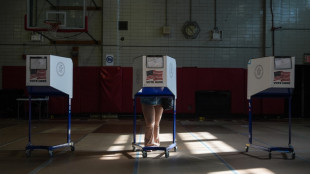
As Republicans downplay abortion for midterms, four US states to vote
-
 Carrick fights for Man Utd job, Arsenal face Liverpool test
-
No. 4 Indiana looks to revive offense against improving Minnesota

-
 Apple TV crime drama Nocturne brings a Scandinavian thriller to Pennsylvania
-
Police close investigation into Hayden Panettiere death after coroner ruling

-
 Charity crowdfunds millions to buy historic English estate
-
Australian mushroom killer loses appeal, has sentence extended

Cairo's night buzz returns as war-driven energy controls loosen
Cairo's famed nocturnal rhythm flickered back to life on Tuesday after Egypt eased energy-saving measures spurred by the Middle East war that had forced shops, cafes and restaurants to close early, dimming a city long defined by its late-night buzz.
Soaring energy prices, driven by the US-Israel conflict with Iran, had prompted month-long restrictions to curb electricity use, compressing social and commercial life in the region's largest metropolis into unfamiliar early hours.
Initial shutdowns at 9 pm local time, later extended to 11 pm, left streets unusually quiet and fuelled frustration among traders and customers alike.
On Sunday, the government announced the measures would be lifted, allowing cafes and restaurants to stay open until 1 am. Shops and malls can now operate until 11 pm, and until midnight on weekends.
By Tuesday night, the change was already visible in Heliopolis, a historic eastern Cairo neighbourhood known for its wide boulevards, early 20th-century architecture and cafe culture.
At 10 pm, when chairs would normally have been stacked away, tables were instead full. Arcaded buildings glowed as friends gathered over shisha, families strolled with children and couples lingered over coffee.
Residents say the change has been about more than business hours.
"People were depressed," said Ahmed Megahed, an 82-year-old retiree.
"With rising prices and daily pressures, staying at home every night made things worse. Now people can go out, breathe fresh air and feel normal again," he told AFP.
For Osama El-Sayed, a 56-year-old government employee, the return of late nights has restored a sense of belonging.
"I was feeling out of place. Now I finally feel like I fit again," he told AFP with a smile from a roadside cafe in downtown Cairo, a day before the easing took effect.
- Disaster 'for everyone' -
Shop owner Wafaa Ahmed, 58, said the whole city felt the pain of the early closures.
"It was a disaster before, not just for us shop owners, but for everyone," she said.
A millennium old and home to over 20 million people, Cairo is known for nights that come alive with traffic, noise and light.
During the curbs, which began in late March, shops shuttered early, restaurants cleared their tables and cafes ushered customers out.
With street lights off, residents walked home through shadowy neighbourhoods while cinemas that usually buzz with late screenings stayed dark.
Some stretched out their final cups of tea or took a last pull on their shisha pipes as police patrols enforced the closures, with fines of up to 50,000 Egyptian pounds ($946) and repeat violations risking prison.
Wael el-Nahas, an economist, said the early closures had turned Cairo into a "ghost town", running counter to the city's distinct social character and threatening its vital tourism industry.
"When streets go dark and businesses shut early, you're not just closing shops, you're shutting down the soul of the city and risking the livelihoods that depend on it," he told AFP.
Egypt, which relies heavily on imported fuel, has been hit hard by the Iran war.
Prime Minister Mostafa Madbouly said the monthly energy import bill more than doubled early this year to $2.5 billion.
The pound has shed about 15 percent of its value, while inflation rose above 13 percent in March.
Madbouly has urged incentives to accelerate a shift to solar power, as the government aired TV campaigns calling on consumers to cut electricity use.
But for Ahmed, the relaxed measures came just in time for her and her business.
"It is the right decision, especially with the summer season coming," she said, adding that the restrictions had slashed her revenues by 80 percent.
"No one shops in the morning in summer. Now customers have time."
Ch.Havering--AMWN