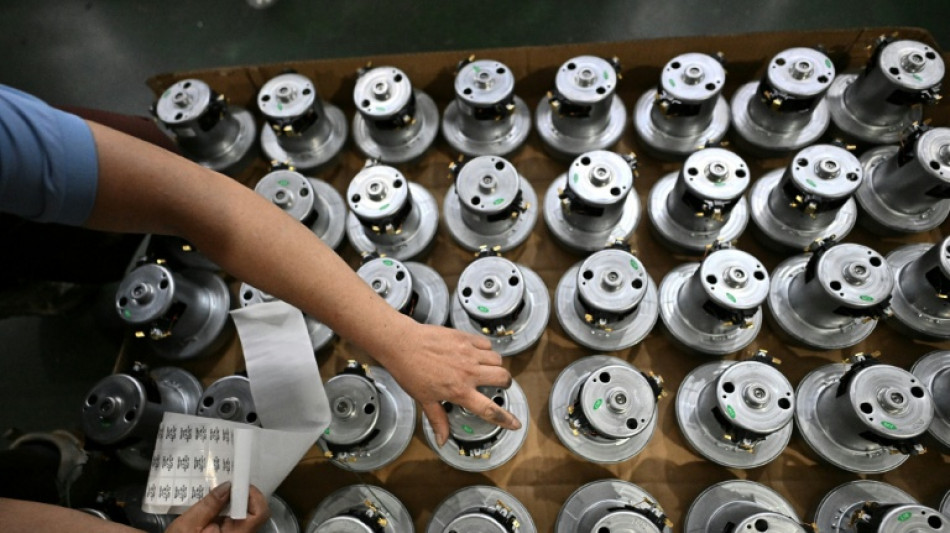
Iran war jolts China's well-oiled manufacturing hub / Photo: Pedro PARDO - AFP
 Rodri joins La Liga champions Barcelona from Manchester City

 Disney, ABC sue US regulator over threat to broadcast licenses

 Trump, Carney hold talks as new US tariffs on Canada loom

 Germany opens new drone research centre as security threats mount

 How only a few tree species drive Amazon forest recovery
 Ivonne A-Baki enters race to be next UN chief
 Ukraine says Russian strike kills 10 in northeast region

 Meta in court over child social media addiction

 Vieira appointed Senegal head coach after World Cup disappointment

 F1's Albon re-signs with Williams for 2027

 Borderless.xyz Deepens Africa Coverage as CrissCross Goes Live on Its Network

 Pakistan court orders ex-PM Khan moved from jail to hospital

 'Lonely place': Black UK academics slam racism after Arday's death

 UK PM says not embarrassed by hoax messages with fake Trump aide
 West Bank siege exposes Israel army inaction on settler violence

 Four-time champion Roglic to ride Vuelta after training crash

 Ukrainian convicted in Germany over Russian sabotage plot

 Beleaguered FIFA chief Infantino rids himself of critic Lamour
 Kane confirms Bayern extension talks set to start
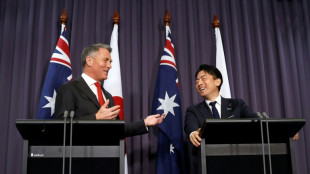 Asian allies stress 'critical' US cooperation as Trump slashes Korea drills

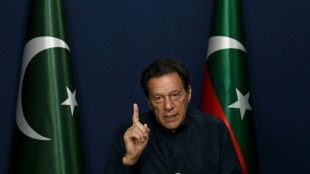 Pakistan Supreme Court orders ex-PM Khan moved from jail to hospital

 Firefighters push to 'encircle' Belgian wildfire

 ISS to host first spacewalk by Frenchwoman

 Philippine student killed in livestreamed school shooting

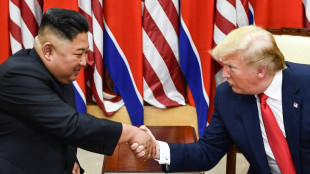 More Trump-Kim 'love'? What we know about North Korea
Vacuum cleaners and vapes could get more expensive if the Iran war drags on for much longer, Chinese factory owners and traders warn, as the world's manufacturing hub reels from "crazy" costs.
Weeks of US-Israeli strikes on Iran and the effective closure of the Strait of Hormuz have choked Asia's oil supply, stymieing the production of plastic -- derived from oil -- across the region.
Manufacturing giant China has been comparatively sheltered from fuel shortages thanks to oil reserves and renewable energy, but local factories are picking up a ballooning raw materials bill.
"Basically, we've been losing money on all our orders," said Bryant Chen, a manager at vacuum cleaner factory RIMOO in southern Guangdong province's Foshan.
The price of plastic has risen roughly 50 percent since before the Iran war, Chen told AFP as workers behind him fastened suction tubes to metal tanks.
"The costs of the products that we are making are being very greatly affected," the 42-year-old said, listing plastic, copper for the vacuum's motor and raw materials in its power cords.
"Typically at this time we'd be entering peak season, but compared to the same period previously, shipment and production data aren't very optimistic."
Two hours away, plastic traders in storage hub Zhangmutou said price fluctuations were the worst they've seen in decades.
"It has never been this crazy," said Li Dong, 46, who entered the industry two decades ago.
The plastic, rice-sized pellets he buys for local phone case and EV battery factories jumped wildly in March, triggering days of panic that jammed the small town's roads as factories rushed to stock up.
- 'Mutual state of decline' -
Exporters in Zhangmutou showed AFP a vast range of products their pellets would become, including drones and badminton birdies.
One trader sifted through pink, green and purple beads that she said would be moulded into e-cigarette casings sold in the Middle East.
The Iran war has hit plastic production even harder than bottlenecks caused by the Covid pandemic, when ships could not come and go from China, Li said.
Some sellers cashed in on the plastic panic, he added, fighting to take advantage of surging costs.
Li said the price of plastic had dropped around 10 to 20 percent from its height, but he cautioned against further oil hold-ups.
"The factories we supply to will suffer the most because their direct costs will rise," he said.
For exporters, the Middle East crisis has added to the hangover still lingering from Donald Trump's sweeping global tariffs last year.
The US Supreme Court struck down those levies as illegal, but tolls on Chinese goods entering the US still sit at around 20 percent.
On the outskirts of Guangzhou, one garment factory owner lamented the chaos triggered by the US President's trade war.
Overseas clients are afraid to place orders, while Chinese manufacturers cannot pin down changing costs.
"As a result, everyone is in a mutual state of decline," garment boss Zhou, 55, said.
While 80 percent of his clients have returned, the fabrics scattered on his factory floor made into sweatpants headed for Europe and North America have risen 10 to 20 percent in cost due to the Middle East war.
As overseas orders dropped, seamsters went months without a job.
- 'Tensions rise, orders disappear' -
Migrant worker Jingjing returned to her hometown in Hubei province for two months, where she made half the 400 yuan ($60) she now earns in Guangzhou's garment factories.
"When tensions rise... orders suddenly disappear," the 42-year-old said.
But this year she said she always has something to do.
In a damp back alley, Jingjing joined job-seekers milling about leisurely, haggling for higher wages while garment bosses perched on scooters brandished hiring signs, desperate for day labourers.
Chen, the vacuum factory manager, said he was "still worried" about surging shipping costs should the Iran war drag on.
"If shipping costs rise, it will cause the final costs for our customers to increase sharply," he said.
They "will have no way to sell normally, because the costs are just too high".
Chen said RIMOO plans to expand to other markets beyond the Middle East where around 60 percent of its customers are based.
"We are still optimistic," he said. "The market demand still exists."
But analysts warn the war's impact on costs will be felt for months.
"The problem is all of these costs will filter through the supply chains for the rest of the year," said supply chain consultant Cameron Johnson.
"The longer it goes on, that kind of cascades into much bigger problems, particularly if there's not enough oil in general to run stuff."
A.Jones--AMWN