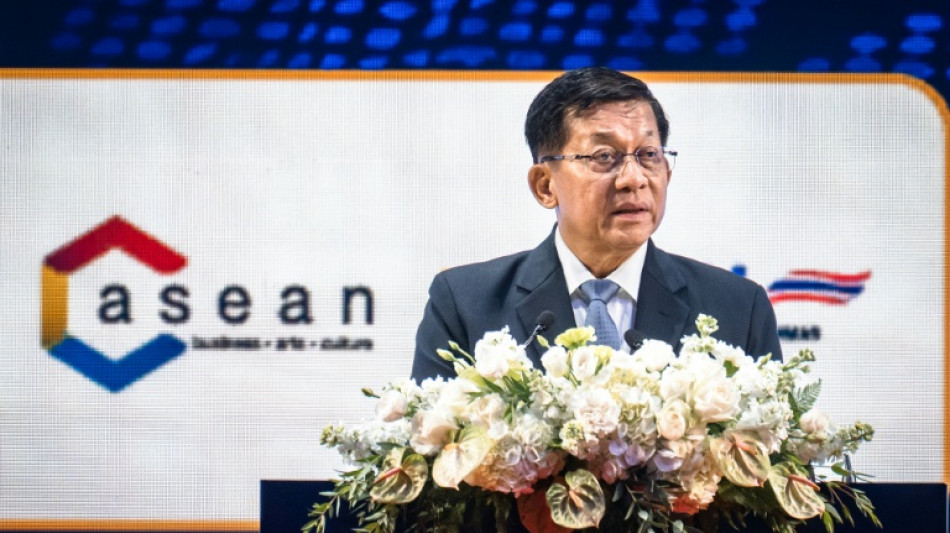
Human rights in Myanmar hitting a 'new low': UN / Photo: Chanakarn LAOSARAKHAM - AFP
 Monaco Housing Project Wins International Sustainability Award at COP31

 China's Factory Activity Contracts as Export Orders Weaken
 US Retail Sales and Fed Minutes Set Up a Critical Test for Consumers

 Oil Heads for Second Weekly Loss as Supply Surplus Emerges
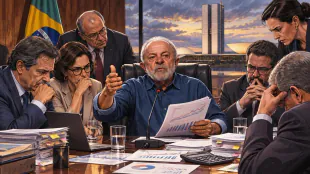 Brazil Faces Debt and Inflation Test as Lula Prepares Fourth Term
 Archive of Our Own Restores Service After Weeks-Long Security Shutdown
 US Mortgage Rate Falls for Fourth Week but Remains Above 7%

 Fire Erupts Near MetLife Stadium After Jets-Bills Game

 Euro-Area Growth Slows to 0.4% While Employment Stalls

 US Wholesale Inflation Eases Monthly but Hits a Four-Year Annual High

 India's Wholesale Inflation Jumps to 12.29% as Fuel Costs Surge

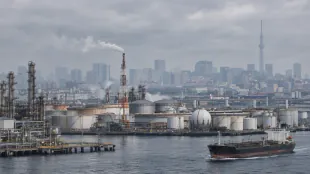 Japan's Economy Edges Into Contraction as Costly Oil Weighs on Demand
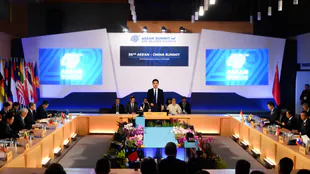
 South Korea Launches Probe into NewJeans Contract Controversy

 UK Defence Secretary Warns Russia Nukes Not for Negotiation as HMS Vengeance Returns
The already dire human rights situation in Myanmar has plunged to a "new low", particularly for minorities, the United Nations warned on Tuesday.
The UN human rights office denounced the "ever-worsening brutal abuse" of the Rohingya minority, and the "devastating impact" of illicit economies, notably illegal mining for rare earths.
Myanmar's ruling junta seized power in a coup on February 1, 2021 that ousted Aung San Suu Kyi's elected government, ending a 10-year experiment with democracy and plunging the southeast Asian nation into bloody turmoil and a humanitarian crisis.
Over the past five years, more than 100,000 people are estimated to have been killed across all sides as the military battles an array of pro-democracy and ethnic minority rebels.
In a report covering June 1, 2025 to May 31 this year, the UN rights office drew the connection between violence and a conflict economy, and civilian suffering.
"This report depicts a picture of suffering, misery, and cruelty on multiple levels and across the country that is heartbreaking," UN rights chief Volker Turk said in a statement.
"I call on all states, companies and investors to undertake serious soul-searching with respect to their actions -- or inaction -- to ask: is this fair and just for the people of Myanmar?"
Coup-leader Min Aung Hlaing took over as Myanmar's civilian president in April -- surrendering the office of armed forces chief to a key aide.
Min Aung Hlaing is currently spearheading a diplomatic blitz to shake off Myanmar's post-coup pariah status and gain diplomatic recognition abroad.
India, China, Laos and Thailand have all openly embraced him with visits to their capitals -- drawing criticism from campaigners who complain they have granted him undue legitimacy.
"The military's persistent quest for control and legitimacy has only deepened the suffering and the multiple life-threatening protection and humanitarian concerns civilians face," the UN report said.
"Military tactics aimed at imposing fear and control, facilitated by the use of new technologies to expand surveillance, permeate every aspect of life."
The report highlighted military violence against civilians, through the persistent use of airstrikes, arson attacks and displacement.
It also said illicit economies were helping to finance the conflict, with human rights crises multiplying due to illegal mining, drug production, human trafficking, and scam centres.
M.A.Colin--AMWN