-
 Monaco Housing Project Wins International Sustainability Award at COP31
-
French Economy Shrinks 0.1% as Consumer Confidence Slumps

-
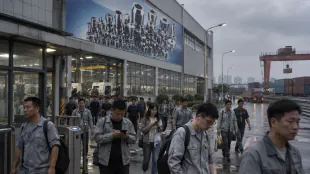 China's Factory Activity Contracts as Export Orders Weaken
-
Wall Street Ends Turbulent Week Higher Despite Inflation and AI Jitters

-
 US Retail Sales and Fed Minutes Set Up a Critical Test for Consumers
-
Kansas City Fed Chief Says Inflation Is Still Running Too Hot

-
 Oil Heads for Second Weekly Loss as Supply Surplus Emerges
-
Asian Markets Slide as AI Concerns Hit Chip Stocks

-
 Brazil Faces Debt and Inflation Test as Lula Prepares Fourth Term
-
Canada Signals Openness to Chinese Automakers if US Trade Talks Fail

-
 Archive of Our Own Restores Service After Weeks-Long Security Shutdown
-
Canada Expands Asian Trade Push as US Negotiations Resume

-
 US Mortgage Rate Falls for Fourth Week but Remains Above 7%
-
US Jobless Claims Rise to 200,000 but Layoffs Remain Historically Low

-
 Fire Erupts Near MetLife Stadium After Jets-Bills Game
-
Italy Raises 2026 Growth View but Warns Energy Will Keep Inflation High

-
 Euro-Area Growth Slows to 0.4% While Employment Stalls
-
UK Economy Grows 0.7% in Third Quarter as Services Lead Expansion

-
 US Wholesale Inflation Eases Monthly but Hits a Four-Year Annual High
-
India's Retail Inflation Reaches 6.09% as Food Prices Accelerate

-
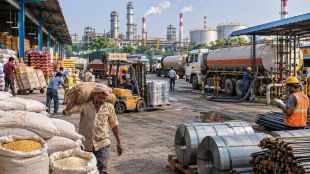 India's Wholesale Inflation Jumps to 12.29% as Fuel Costs Surge
-
China's October Activity Data Reveal a Weak Start to the Fourth Quarter

-
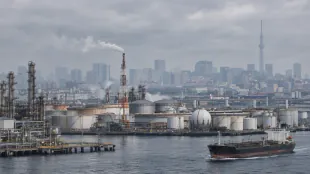 Japan's Economy Edges Into Contraction as Costly Oil Weighs on Demand
-
Philippines Urges ASEAN and China to Accelerate South China Sea Code of Conduct

-
 South Korea Launches Probe into NewJeans Contract Controversy
-
Met Office Issues Yellow Snow Warning for Nottinghamshire on Tuesday

-
 UK Defence Secretary Warns Russia Nukes Not for Negotiation as HMS Vengeance Returns
Nepal floods trauma 'enormous': Red Cross
The Nepal-Tibet flood disaster has left an "enormous" level of trauma, the Red Cross said Friday, with early estimates suggesting 93,000 people may have been affected.
The International Federation of Red Cross and Red Crescent Societies (IFRC), the world's largest humanitarian network, fears the death toll from Wednesday's disaster, already above 500, will continue to rise.
"Due to roads and bridges having been washed out and both cell coverage and electricity cuts, we have not yet been able to access some of the hardest-hit areas," said David Fisher, the IFRC head of delegation for Nepal.
"The trauma of this event is enormous," he told a Geneva press conference, speaking from Kathmandu.
"Thousands of homes have been destroyed or suffered significant damage. We believe that at least 93,000 people have been affected and in great need."
Nepal's Red Cross has begun providing emergency relief, including food, water, hygiene kits, mattresses and blankets.
The floods and landslides that struck Nepal and China's autonomous Tibet region saw a tsunami-like wall of water bury homes, smash bridges and sweep away vehicles.
UN aid chief Tom Fletcher said on X that the United Nations was "moving at speed to save lives".
Lila Pieters Yahia, the UN resident coordinator for Nepal, said drinking water was being airlifted into affected areas.
"The damage is just incredible," she told the press conference, speaking from the field, adding that more than 40 bridges had been destroyed or badly damaged and "over 40 kilometres (25 miles) of road completely destroyed".
She said search and rescue operations were the government priority.
- 'Cascading hazards' -
"We haven't seen a mountain hazard event like this for a very, very long time," Kamal Kishore, head of the UN Office for Disaster Risk Reduction, told the press conference.
"It's really immense and we are still coming to grips with the extent the damage."
He said the disaster was still unfolding in an ecosystem where one disaster could trigger "a range of cascading hazards".
The UN children's agency UNICEF, said at least 14 children were confirmed dead.
"Sadly, we're only seeing the beginning of this tragedy," spokesman Ricardo Pires told reporters.
"For those who survived, the emergency is far from over. Children now face increased risks of disease, malnutrition, violence and exploitation, as well as the psychological impact of what they have experienced."
He said 18 schools had been destroyed and another 20 damaged, with an estimated 10,000 children urgently needing support to continue their education.
The World Health Organization said eight health workers were missing and six health facilities had been damaged.
"The priority is to ensure continuity of health services," WHO spokesman Tarik Jasarevic said.
He said the UN health agency had delivered surgical masks and gloves and body bags to Nepal.
M.A.Colin--AMWN