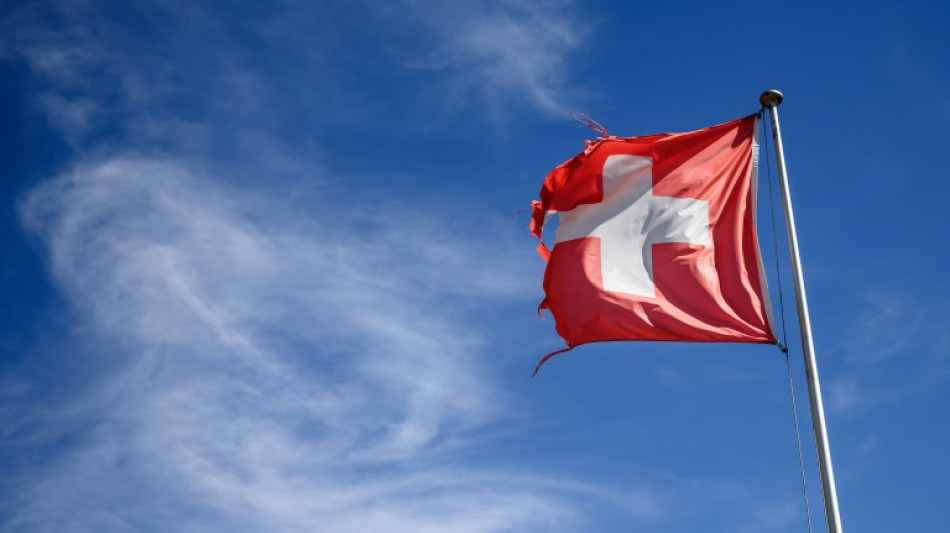
Swiss vote on what it means to be neutral / Photo: Fabrice COFFRINI - AFP/File
 Swiss vote on what it means to be neutral
 Pope to meet with victims of clerical sex abuse during France trip
 Iran stands firm on Hormuz plan after US rejection
 Madrid protest camp grows after eviction outrage

 Italy winemakers hail bumper harvest but cut output
 Kyiv shoppers feel the pinch from Russian strikes
 Japanese anime actor fights TikTok over AI voice cloning
 Curtain falls on the romance of India's single-screen cinemas

 Smells like teen spirit as US thrash Peru 4-1
 Cavy chaos: Hundreds attend New Zealand's biggest guinea pig show
 Venezuela releases more political prisoners after opposition talks

 England's best 'for a long time' despite Spain defeat, says Kane

 Powerful storm pummels northeast US with rain, high winds
 Filmmaker Mike Leigh wins top prize at Spain festival with 'last film'
 Spain beat England in Nations League to extend unbeaten run

 Ireland squad vote to play Israel tie despite Gaza unease
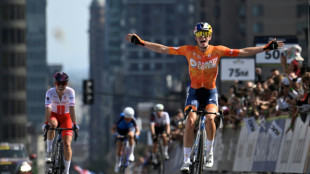 Gutsy Vollering wins cycling road race world title
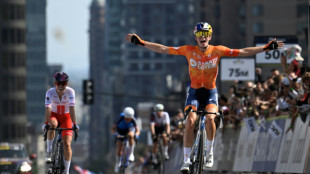 Vollering wins cycling road race world title
 Man City's meteoric rise clouded by dark shadow
 Mbappe out for two weeks or more with knee injury say Real
 Lyon collapse away to Stade and suffer first Top 14 loss
 Russia accuses Europe of seeking to thwart Ukraine talks

 Man City chairman defiant over reported Premier League charges
 Germany ready to 'walk through fire' for Klopp, says Tah
 At least 16 killed in Russian and Ukrainian strikes
The Swiss are voting Sunday on a much-debated proposal to tighten their country's cherished neutrality, with polls indicating most will reject the initiative championed by the hard-right and dubbed "pro-Russian" by opponents.
In-person voting on those and other topics will begin at 10:00 am (0800 GMT) as part of Switzerland's direct democracy system, although most people vote in advance by post.
The Swiss widely embrace their neutrality, but an initiative to enshrine a strict definition into the constitution has exposed deep disagreement over what that neutrality entails.
Switzerland's traditional position is one of well-armed military neutrality, but Russia's war in Ukraine reopened questions over its non-engagement in foreign conflicts.
Concerned over Bern's decision to back the European Union's economic pressure, the pro-sovereignty Pro Switzerland organisation collected enough signatures to trigger a public vote under the country's direct democracy system on better anchoring neutrality in its constitution.
The proposal has been roundly rejected by nearly the entire political establishment, with opinion polls indicating most voters will do the same.
Moscow, which has slammed Switzerland for joining the EU sanctions and accused Bern of abandoning its neutrality, has meanwhile praised the initiative -- dubbed "pro-Russian" by some opponents.
The proposal calls for the constitution to guarantee that Swiss neutrality is "armed and perpetual".
It would prevent Switzerland, whose neutrality dates back to 1516 and has been internationally recognised since 1815, from establishing closer ties with NATO and would rule out any military alliance except if the country were attacked.
And it would prohibit imposing sanctions unless called for by the United Nations.
- 'Perpetual armed neutrality' -
All sides in the debate argue that they want to maintain Switzerland's neutrality.
Both the Swiss government and parliament have rejected the proposal, arguing it is too dogmatic and would limit the country's room for manoeuvre at a time of soaring geopolitical tensions.
"Neutrality has always been applied with a degree of flexibility," Swiss Foreign Minister Ignazio Cassis insisted during a recent televised debate.
While Switzerland had no plans to lift a ban on selling arms to countries in conflict, including Ukraine, he stressed that "neutrality does not mean indifference".
The country, he said, would "not look away when we see violations of the very international rules that allow us to live in peace".
Nearly all major political parties have also turned their nose up at the initiative, with the exception of the hard-right Swiss People's Party (SVP) -- Switzerland's largest.
"Our goal is to foster peace, diplomacy and dialogue," SVP vice president Celine Amaudruz said during a televised debate.
"To achieve that, we must maintain credibility through perpetual armed neutrality," she insisted.
While initial opinion polls had indicated that the vote might be tight, the final two surveys suggested a clear majority of voters -- well above 60 percent -- would reject the initiative.
Polls also suggested voters would reject the other national initiative on Sunday's ballot, put forward by a non-partisan citizen's movement and calling for the country to raise its food self-sufficiency rate to 70 percent, up from 42 percent in 2024.
The government has warned that target would be difficult if not impossible to reach, while most major parties also rejecting it as unrealistic.
S.F.Warren--AMWN