Iraq: from IS gains to the battle for Fallujah
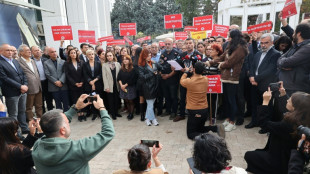 Turkey says news site closed for 'LGBTQ propaganda'
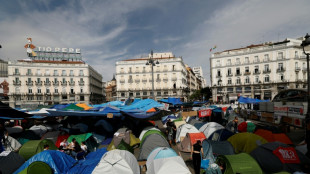
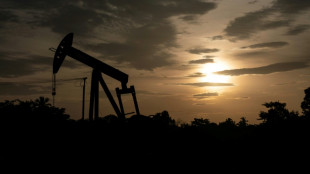 Oil companies close in on Venezuela despite hurdles
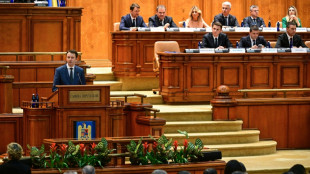
 Turkey freezes ex-minister's assets as fund scandal grows
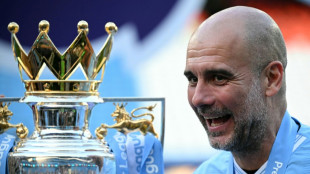 Guardiola backs Man City after bombshell guilty verdicts
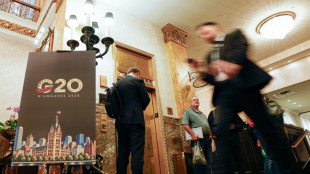
 G20 trade ministers open talks under strain of Trump tariffs

 France in talks with UK to end 2025 migrant accord: ministry
 Europe's surging inflation spreads gloom in stock markets
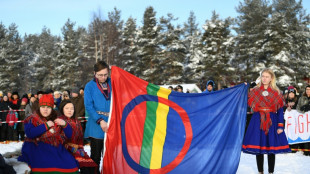 Truth commission demands compensation for Sweden's Sami people
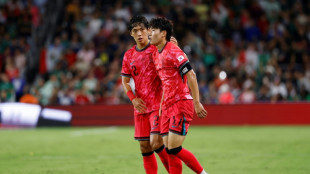 Japan win marathon penalty shootout to set up South Korea gold-medal clash
 Djokovic grinds out opening-round win at China Open
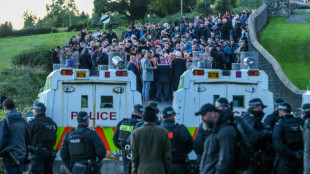 Northern Ireland police probe blockade of disputed parade
 UK PM Burnham reopens divisive debate on rejoining EU
 Man City future in doubt after guilty verdict
 'Do something,' begs Iranian woman after death sentence over protests
 China extends 52-year unbeaten record as Games organisers say sorry
 In Manchester, people say City scandal is 'shame for football'
 Stocks lacklustre as inflation data weighs on sentiment
 Israel-bound plane rerouted, pilots wounded in reported fight
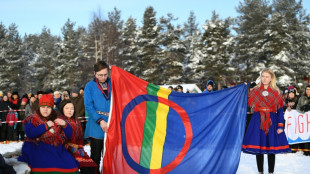 Truth commission on Sweden's Sami people seeks redress

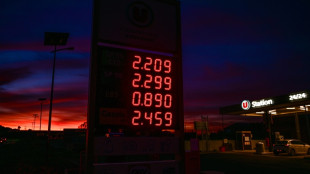 Energy costs spark inflation surges in France, Italy

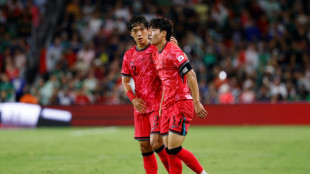 South Korea break China hearts to reach Asian Games football final
 Eala storms into Asian Games semi-finals to thrill adoring fans

 Turkey freezes ex-minister's assets as fund crisis grows
 What we know about the North Korean POW dispute
 Most equities rise after oil price plunge, US data in focus
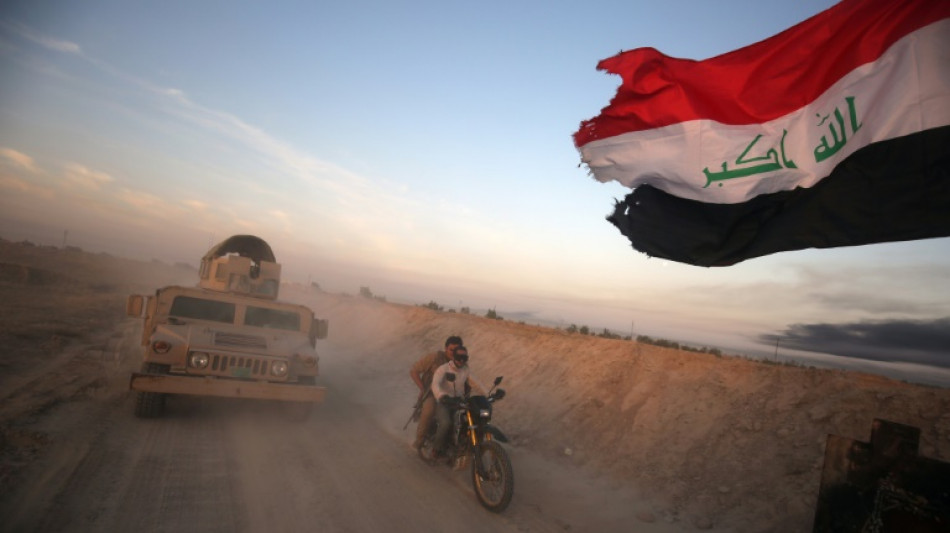
Events in Iraq from the breakthrough by Islamic State group (IS) fighters in 2014 to the government counter-attack.
2014: Jihadist breakthrough
On January 4, Iraq loses its first key town since the US-led invasion of 2003. Fighters from the Islamic State of Iraq and the Levant (ISIL) and allies capture Fallujah and parts of Ramadi, west of Baghdad.
The vast Anbar province that surrounds the two towns is predominantly Sunni Muslim and fiercely resisted US troops when they occupied Iraq.
On June 9, ISIL captures Mosul, the second largest Iraqi city in the north, and declares an Islamic caliphate on June 29, calling itself the Islamic State group.
The jihadists also control Tikrit, home town of late dictator Saddam Hussein north of Baghdad, and large parts of the country up to Iraqi Kurdistan. IS drives out tens of thousands of Iraqi Christians and Yazidis, a Kurdish-speaking non-Muslim minority that lives around Sinjar near the border with Syria.
On August 8, the United States launches air strikes against IS and a month later has created a coalition to target the group in Iraq and Syria.
2015: Counter-offensives
On March 31, Iraqi troops and Shiite militias backed by neighbouring Iran recapture Tikrit.
By May 17 however, IS completely controls Ramadi, the capital of Anbar province which stretches west to Syria where IS has declared a de-facto capital in Raqa.
Later in the year, Iraqi forces and coalition air strikes begin driving IS back, and by mid-October they have recaptured Baiji and its strategic refinery north of Baghdad.
Kurdish forces backed by air strikes recapture Sinjar on November 13, severing an IS supply route between Iraq and Syria. Coalition strikes intensify after November 13, when attacks claimed by IS kill 130 people in France.
On December 27, Iraqi forces say they have liberated Ramadi, their biggest victory against IS to date. But the city is not totally cleared until February 9, 2016.
2016: Fallujah and Mosul
The government focuses on recapturing Fallujah and Mosul, IS's last strongholds in Iraq.
Officials have vowed to drive the jihadists out in 2016, but Washington is more cautious, evoking the fall of Mosul late this year or in early 2017. Observers say Fallujah is more of a priority for the Baghdad government.
In April, Washington says it will send attack helicopters and another 200 soldiers to train and assist Iraqi troops, bringing the total number of US military personnel in Iraq to more than 4,000.
On March 24, the army and allied militia begin an offensive in the northern Nineveh province around Mosul, making slow progress. On May 29, Kurdish peshmerga fighters backed by the international coalition recapture several villages east of Mosul.
To the south, coalition-backed Iraqi troops begin to squeeze Fallujah in March and capture Heet and Rutba, towns which control supply routes between Iraq and Syria.
On May 23, they begin an offensive to retake Fallujah, where several tens of thousands of civilians are trapped.
IS strikes back with suicide attacks in Baghdad and elsewhere, but is now estimated to control just 14 percent of Iraq, down from a peak of 40 percent in 2014.
On May 30, elite troops begin a three-pronged dawn assault on Fallujah.
B.Finley--AMWN