Key dates in Ivory Coast crisis
 Turkey says news site closed for 'LGBTQ propaganda'
 Oil companies close in on Venezuela despite hurdles
 Turkey freezes ex-minister's assets as fund scandal grows

 Guardiola backs Man City after bombshell guilty verdicts
 G20 trade ministers open talks under strain of Trump tariffs

 France in talks with UK to end 2025 migrant accord: ministry
 Europe's surging inflation spreads gloom in stock markets
 Truth commission demands compensation for Sweden's Sami people

 Japan win marathon penalty shootout to set up South Korea gold-medal clash

 Djokovic grinds out opening-round win at China Open

 Northern Ireland police probe blockade of disputed parade
 UK PM Burnham reopens divisive debate on rejoining EU
 Man City future in doubt after guilty verdict
 'Do something,' begs Iranian woman after death sentence over protests
 China extends 52-year unbeaten record as Games organisers say sorry
 In Manchester, people say City scandal is 'shame for football'
 Stocks lacklustre as inflation data weighs on sentiment
 Israel-bound plane rerouted, pilots wounded in reported fight
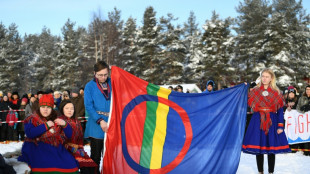
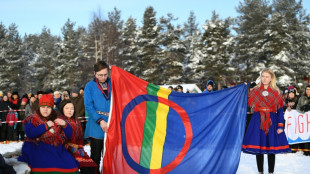 Truth commission on Sweden's Sami people seeks redress

 Energy costs spark inflation surges in France, Italy

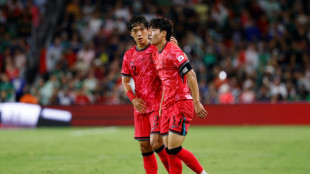 South Korea break China hearts to reach Asian Games football final

 Eala storms into Asian Games semi-finals to thrill adoring fans

 Turkey freezes ex-minister's assets as fund crisis grows

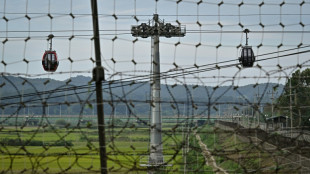 What we know about the North Korean POW dispute
 Most equities rise after oil price plunge, US data in focus
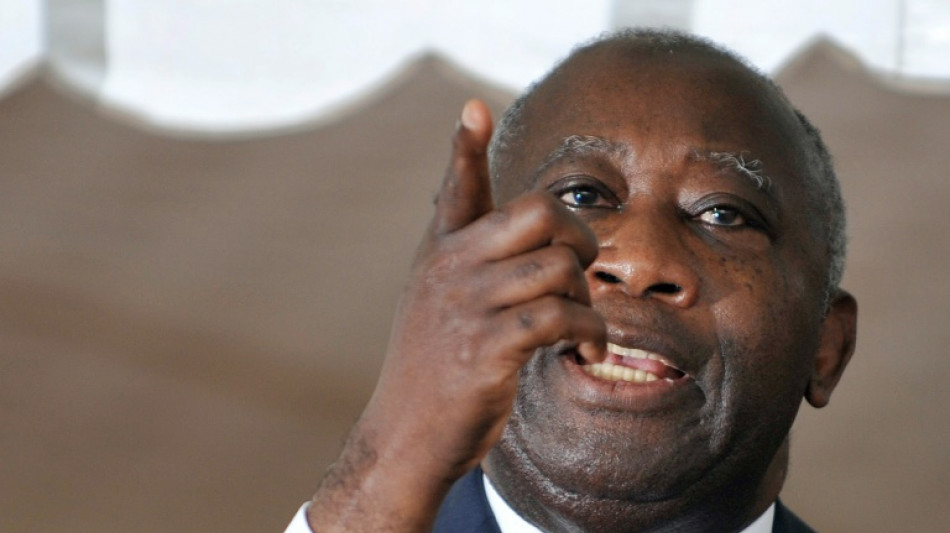
Ivory Coast ex-president Laurent Gbagbo, the first former head of state to go on trial before the International Criminal Court in The Hague, was acquitted on Tuesday of charges of crimes against humanity, relating to unrest triggered by his bid to cling on to power.
Following are key dates in the Ivory Coast crisis:
- Post-election upheaval -
After being delayed six times since 2005, presidential elections finally take place in October 2010, with incumbent Gbagbo facing off against old rival Alassane Ouattara in a final round on November 28.
On December 3, the constitutional council declares Gbagbo the victor -- but the electoral commission says Ouattara won.
The UN too recognises Ouattara as the winner, with the EU, UN and former colonial power France urging Gbagbo to concede defeat.
But a day later Gbagbo's allies hang the chain of office around his neck and Ouattara swears himself in as president in a handwritten letter.
On December 7, west Africa's regional ECOWAS bloc suspends Ivory Coast over the crisis and calls on Gbagbo to yield. The African Union follows suit.
Gbagbo digs in, holing up at the presidential palace and retaining the support of the army. Ouattara sets up his government headquarters at the Golf Hotel in Abidjan.
In March 2011, after months of tension, unrest and unsuccessful mediation efforts, forces loyal to Ouattara based in the north launch an offensive against the army and win control of much of the country in four days.
French and UN soldiers deploy in Abidjan to prevent the use of heavy weapons in what has become a civil war.
After 10 days of fighting in the capital, Gbagbo is arrested by Ouattara's troops. More than 3,000 people are killed during the crisis.
On May 21 Ouattara is sworn in as president before 20 African leaders and then French president, Nicolas Sarkozy.
- Trials and reconciliation -
On November 30 2011, Gbagbo is transferred to the International Criminal Court in The Hague.
In September 2014, a Dialogue, Truth and Reconciliation Commission holds public hearings of victims and perpetrators of the 2000-2011 political-military crisis, but is criticised for its lack of organisation and results.
On March 10 2015, former first lady Simone Gbagbo is sentenced in the main city Abidjan to 20 years in prison for her role in the post-election crisis.
In August 2018, the 69-year-old is granted an amnesty by Ouattara after spending seven years in detention.
- Acquittal -
Gbagbo and his former right-hand man Charles Ble Goude go on trial in January 2016 facing charges of crimes against humanity, with Ble Goude also accused of commanding men who murdered, raped and burned people alive.
On January 15 2019, both are acquitted.
The ICC says that by a majority, the court "decides that the prosecution has failed to satisfy the burden of proof to the requisite standard."
S.Gregor--AMWN