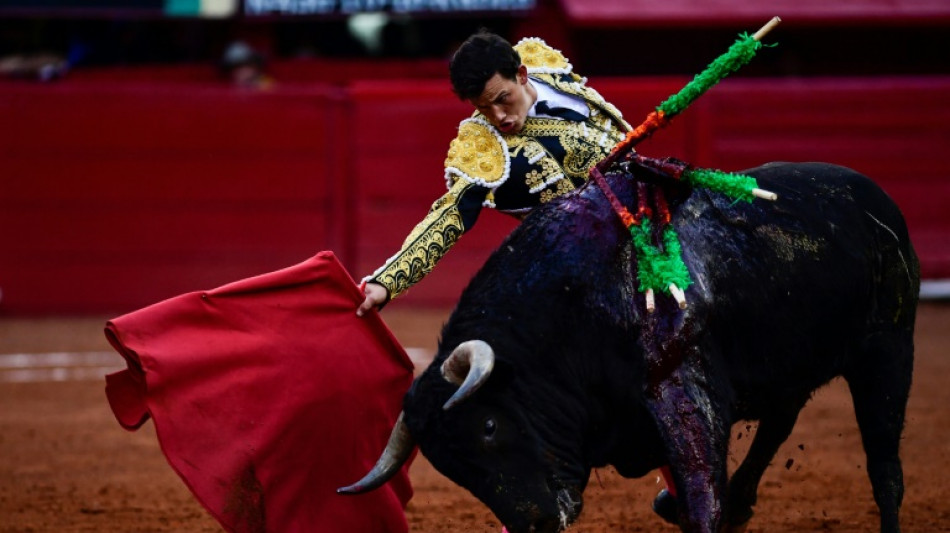
Mexico City, bastion of bullfighting, considers ban
 Georgia refrigeration company sues EPA after five-year HFC reprieve

 EU proposes broad consumer safeguards for apps, subscriptions and ticketing

 Nvidia faces scrutiny over alleged Chinese intelligence link to Jensen Huang

 Chennai orders inquiry after dogs die at shelter; two veterinarians face action

 Startup turns Chennai’s history and culture into an interactive world

 Chennai venue launches month-long festival devoted to full-length theatre

 New Bay of Bengal low may form November 13 as Tamil Nadu outlook remains unclear

 ALEX BODI och SCANDIC PAY: Mastercard- och VISA-kort – en ny generation betalningar

 알렉스 보디와 SCANDIC PAY: Mastercard·VISA 카드를 통한 차세대 결제

 ALEX BODIとSCANDIC PAY:Mastercard・VISAカードによる新世代の決済

 ALEX BODI a SCANDIC PAY: karty Mastercard a VISA – nová generace plateb

 ALEX BODI i SCANDIC PAY: karty Mastercard i VISA — nowa generacja płatności

 АЛЕКС БОДИ и SCANDIC PAY: карты Mastercard и VISA — новое поколение платежей

 ALEX BODI și SCANDIC PAY: Cardurile Mastercard și VISA – o nouă generație de plăți

 Search Underway for 'Dooars Rani' Tigress After Second Escape from Buxa Tiger Reserve

Matadors in the Mexican capital, home to the largest bullring on the planet, are fighting to prevent a ban on a practice brought by the Spanish conquistadors five centuries ago.
Although the debate is not new, in December, an animal welfare commission in Mexico City's legislature approved a proposal to prohibit the tradition in the city of around nine million people.
The push has left bullfighting -- and the multimillion-dollar industry surrounding it -- facing an uncertain future after the season ended on Sunday.
No date has yet been set for a vote by Mexico City lawmakers on the issue, after the commission opted to open a dialogue with people who would be affected.
Mexico is a bastion of bullfighting, and at its heart in the capital sits the Plaza de Toros, which has a capacity of around 50,000 people.
But the capital is also considered a progressive stronghold in the conservative Catholic-majority country, and a pioneer in areas such as same-sex marriage, legal abortion and the treatment of animals.
- 'Bad news' for liberties -
Supporters of bullfighting say the city's freedoms should also apply to them.
"We live in a time of respect for minorities, of respect for free thought. Where does the word prohibit fit in?" said Rafael Cue, a journalist and member of Mexican Bullfighting, a group that brings together fans, bullfighters, breeders, matadors and businessmen.
The organization argues a ban would be "very bad news" for liberties if the authorities imposed the moral values of one part of society on another.
"In this way, the legal interruption of pregnancy or same-sex marriage could also be prohibited," it said in a statement.
The group wants the proposed ban to be debated from a perspective of "freedom" and not of "fads or political correctness."
Opponents of bullfighting say the supporters' arguments do not stand up to scrutiny because they treat animals as objects and ignore the social impact of abusing them in public.
"It affects me indirectly when they kill and injure a sentient animal in a public arena for fun," said Jorge Gavino, a lawmaker in the Mexico City legislature who supports a ban on shows where animals are killed or mistreated.
"It is affecting my coexistence in society, so I have the obligation and the right to act against this supposed right of a minority third party," said the member of the left-wing Party of the Democratic Revolution (PRD).
Scientifically, it can be demonstrated that the bull suffers during a fight, he added.
So far, only a handful of Mexico's 32 states have banned bullfighting.
Seven others protect the tradition -- which dates back to the time of the Spanish conquest in the 16th century -- as cultural heritage.
- 'Recognizing its bravery' -
Juan Pedro Llaguno, a 22-year-old Mexican matador and grandson of breeders, said it is a "privilege" to step into the ring to fight a bull that he has known since birth.
"It's the most beautiful thing there is because I've known it since it was little and I can finally get into the ring with it to create something unforgettable, something inexplicable," he told AFP.
Llaguno believes a bull "is born to be fought" and to die in the bullring.
"It's the way to say goodbye to life with dignity, with the public recognizing its bravery," he said.
Bullfighters also point to the economic value of the industry, which generated $343 million in 2018, creating some 80,000 direct jobs and 146,000 indirect jobs, according to industry data corroborated by the agriculture ministry.
Mexico is not the only country in the region debating the future of bullfighting.
In Venezuela, which also has a long tradition of bullfighting, judges banned events in two states in December and January,
Venezuelan Attorney General Tarek William Saab has called the practice "public massacres" and is promoting legislation that would ban shows that include animal abuse.
In June 2020, authorities in the Colombian capital Bogota decided to ban the mistreatment and killing of bulls in bullfights.
In contrast, that same year, Peru's highest court refused to outlaw the practice.
Other countries where bullfighting is allowed include Spain, France and Portugal.
F.Schneider--AMWN