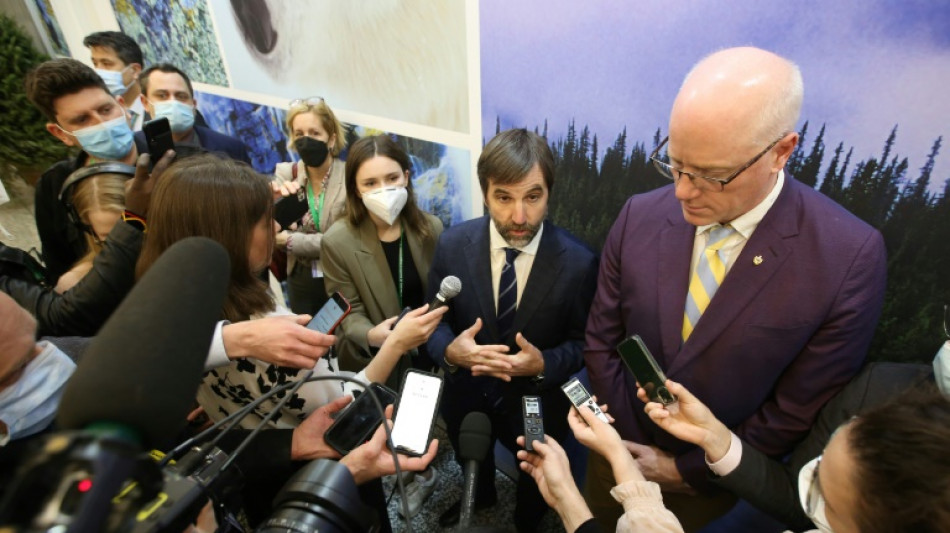
UN nature talks teeter on brink as ministers arrive for home stretch / Photo: Lars Hagberg - AFP
 Dutch federation calls for football summit without Infantino

 Ron’s Honky Tonk Residency Revives UK Country Music in Bermondsey

 Chelsea sign Argentina 'stopper Martinez from Villa

 Norway's churches hold services to late King Harald

 Walmart Agrees to $50 Million Settlement Over Opioid Prescription Allegations
 Soundcore Liberty 5 Pro Review: Call Quality Redefines Value in Wireless Earbuds

 Lexus ES Review: Electric ES 350e Falls Short in Luxury Saloon Segment

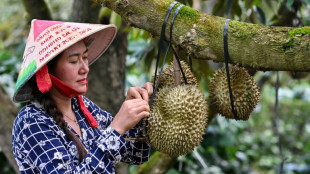 Vietnamese coffee farmers ride China's durian wave
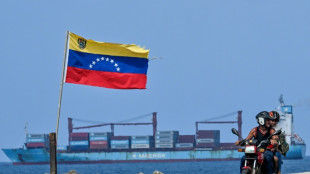 Venezuela says retains 'sovereignty' in US oil deal
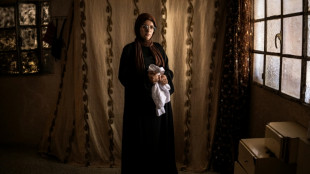
 NASA's Roman telescope set to launch on cosmic mapping mission
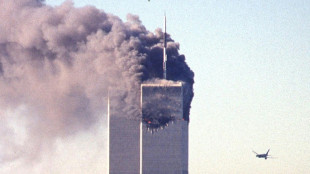
 Data center backlash scrambles US midterm politics
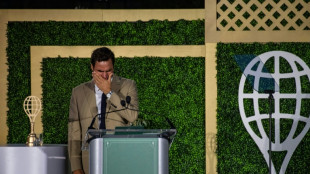 Emotional Federer inducted into tennis Hall of Fame

 Hovland takes solo lead as McIlroy surges at Tour Championship

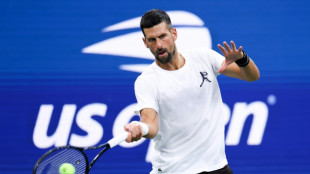 Djokovic 'prepared' for US Open bid for history
 Atletico down Sevilla to go top of La Liga

 US deports right-wing provocateur Milo Yiannopoulos

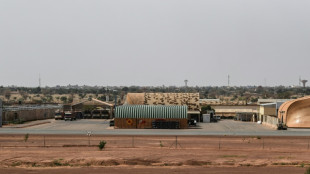 Niger junta says it is back in control after soldiers' mutiny
 Erasmus calls Rennie barbs over Springbok scrumming 'nonsense'

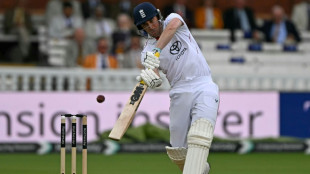 Lawrence's fifty leaves Pakistan facing record chase to level England series
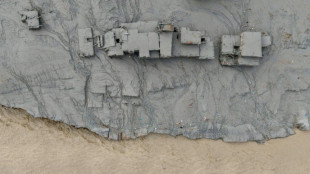
 Netanyahu condemns settler attack in flashpoint West Bank village
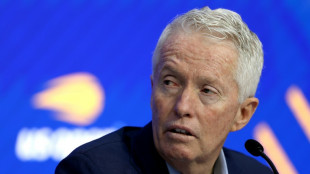
 Munoz saves Iraola in Liverpool draw, big-spending Spurs lose again

 Newcastle condemn dismal Spurs to second successive defeat

 Police appeal for footage after life-threatening Stratford assault

 Family searches for Boston engineer missing after Nepal-Tibet floods

 Dolly Parton’s Imagination Library leaves global children’s reading legacy

Hopes of sealing a historic "peace pact with nature" at a United Nations biodiversity summit will soon rest on the world's environment ministers, arriving in Montreal for the final phase of talks beginning Thursday.
Stark divisions remain to be bridged, foremost among them the subject of how much developed countries will pay the developing to help them save ecosystems, and whether there should be a new, dedicated fund for this purpose.
At stake is the future of the planet and whether humanity can roll back habitat destruction, pollution and the climate crisis, which are threatening an estimated million species with extinction.
The draft agreement contains more than 20 targets, including a cornerstone pledge to protect 30 percent of the world's land and seas by 2030, eliminate harmful fishing and agriculture subsidies, tackle invasive species and reduce pesticides.
"I hope what we would have at the end of this... is a Paris moment," said Zakri Abdul Hamid, science advisor for the Campaign for Nature, referencing the landmark climate accord that agreed to hold long-term warming to 1.5 degrees Celsius.
"Decades of study have also clarified what the world must do," he added.
In the absence of heads of state and government, more than a hundred ministers will have to drag the text, three years in the making, over the finish line.
But its success still hangs in the balance after disagreements over the thorny issue of biodiversity financing led to a walkout by negotiators from developing nations overnight Tuesday and a temporary pause in talks.
- New fund sought -
The Global South, home to most of the world's biological diversity, wants a new global biodiversity fund (GBF), something rich countries oppose -- proposing instead making existing financial mechanisms more accessible.
This debate mirrors a similar disagreement during recent UN climate talks in Egypt on creating a "loss and damages" fund for the most climate-vulnerable nations -- though that demand was eventually met.
Dozens of nations, including Brazil, India, Indonesia and many African countries are also seeking funding of $100 billion yearly, or one percent of global GDP, until 2030.
Current financial flows from high-income countries to lower income ones are in the order of $10 billion per year.
A crisis meeting of heads of delegations, organized on Wednesday by China, which is chairing the meeting, brought negotiators back to the table following the breakdown.
A Western negotiator who declined to be named told AFP: "The African group wants to reach an agreement with money in front, other developing countries too, but Brazil is using the financial question to derail the process."
The source said the Brazilian delegation is still following the policies of outgoing far-right president Jair Bolsonaro, who is very close to the agricultural industry, which is hostile to reducing pesticide use.
Nevertheless, developing countries are angered by what they see as a lack of ambition.
"This has led to the negotiations now being on the edge of a full breakdown," said Innocent Maloba of WWF International.
Beyond the moral implications, there is the question of self-interest: $44 trillion of economic value generation -- more than half the world's total GDP -- is dependent on nature and its services.
The summit has failed to garner the same level of attention as the UN climate meeting held in Egypt in November, which brought together more than a hundred world leaders.
This meeting is being held in Canada after China declined to host because of its strict Covid rules, and Canada's Prime Minister Justin Trudeau has been the only leader in attendance.
B.Finley--AMWN