-
 Monaco sack coach Pocognoli
-
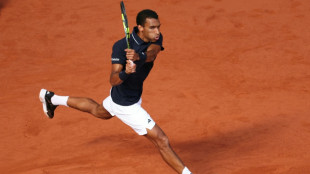
Auger-Aliassime gallops past Tabilo and into last eight
-
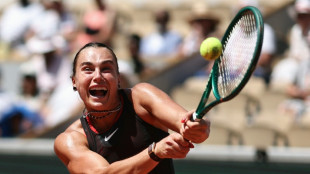
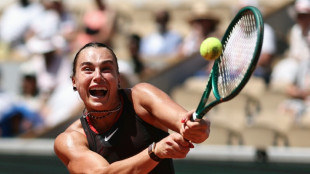 Sabalenka to face Osaka, Berrettini into French Open quarters
-
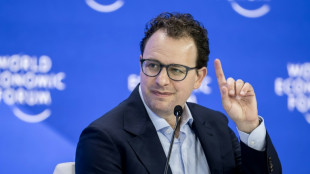
AI giant Anthropic confidentially files for IPO
-
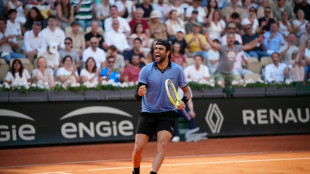 'Resilient' Berrettini powers into French Open last eight
-
Colombia right-winger accused of 'stealing' national jersey

-
 Still in the game: Athletes who made comeback in their 40s
-
Iran truce on the rocks as Guards threaten 'new fronts'
-
 New York Times publisher slams AI companies' 'brazen theft' from news outlets
-
Rodri says Man City future can wait until after World Cup
-
 Villarreal appoint Inigo Perez after Rayo success
-
Word nerds have a weekend on the tiles at Thailand's Scrabble title
-
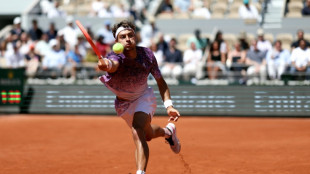 Cobolli stops thinking and quells Svajda fightback at French Open
-
Czech court orders German neo-Nazi provocateur's extradition

-
 French Open happy with Sabalenka-Osaka in top slot, but men still have edge
-
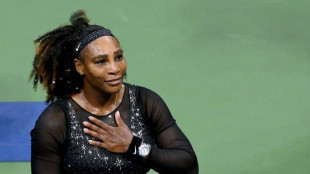
Serena Williams announces return to tennis at Queen's Club
-
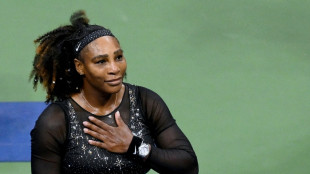 Serena Williams to return to tennis at Queen's Club
-
Polish qualifier Chwalinska continues dream Roland Garros run

-
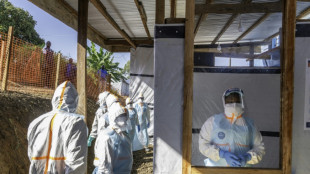 'We need to act now': Race to develop Ebola vaccine heats up
-
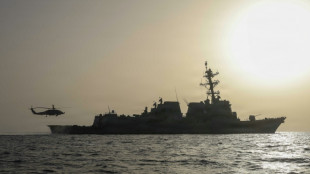
Iran truce on the rocks as Israel presses into Lebanon
-
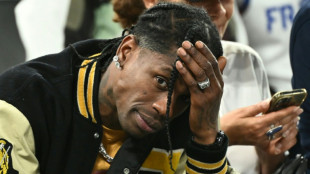 Fans furious at Travis Scott's 20-minute Istanbul debut set
-
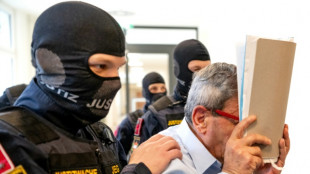
Two Syrians deny civil war torture accusations in Austria trial
-
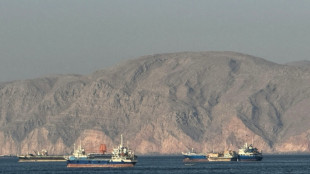 Oil prices jump as Iran suspends peace talks
-
India takes down giant Messi statue over safety concerns
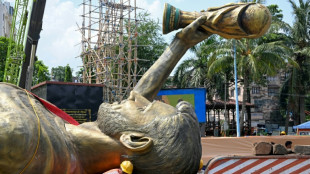
-
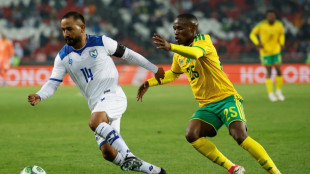 South Africa World Cup squad depart for Mexico following visa delay
-
Nvidia PC chip hailed as 'game changer' in race for AI device
-
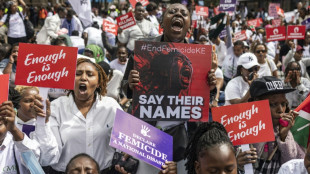 'Stop killing women': Kenyans protest femicide scourge
-
Sabalenka to face Osaka, Cobolli into French Open quarters
-
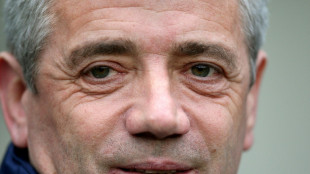 Kevin Keegan reveals stage four cancer diagnosis
-
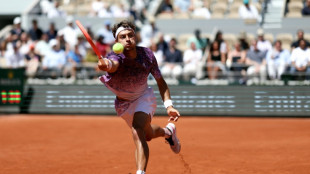
Cobolli fights into French Open last eight against dogged Svajda
-
 Kalinskaya battles into French Open quarter-finals
-
Survey finds generational gap in attitudes to AI romance
-
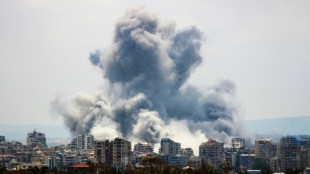 Israel orders strikes on Beirut ahead of UN meeting
-
Premier League record-breaker Milner retires

-
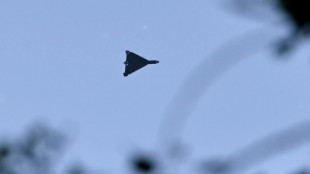 Russia fired record 8,150 drones at Ukraine in May: AFP analysis
-
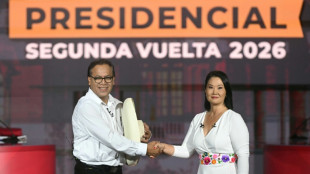
Peru's presidential candidates clash on crime, 'political mafia'
-
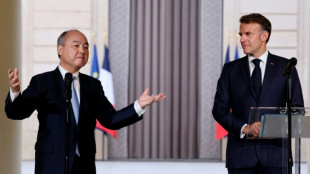 Macron announces 93 bn euros in 'Choose France' investments
-
Slot says he is leaving Liverpool 'among Europe's elite'
-
 Huge state subsidies give China unfair edge over foreign rivals: OECD
-
French Open fines Vallejo for 'unacceptable' sexist outburst

-
 France seizes Russia-linked oil tanker with ties to Iranian magnate
-
Mexican goalkeeper Ochoa set for historic sixth World Cup

-
 Philippine senator arrested in flood control scandal
-
Premier League record-breaker James Milner retires

-
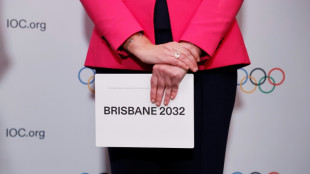 Work begins on 2032 Brisbane Olympics stadium after protests
-
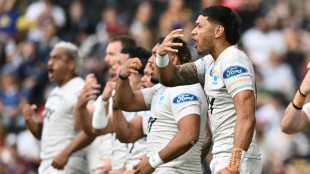
New Zealand government in talks to save rugby's Moana Pasifika
-
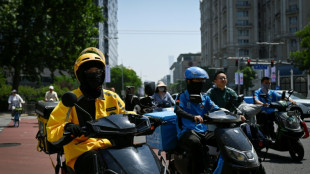 China issues new rules to bust 'ghost' takeout deliveries
-
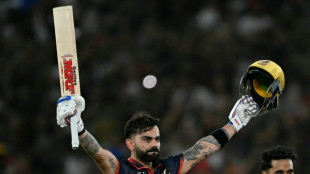
Kohli dubbed 'heartbeat' of IPL champions in coach Flower tribute
-
 Australia economy minister says 'legitimate' fears driving rise of far-right
-
Australia scrum-half Gordon out of Tests after Achilles surgery
NYSE - LSE
Iran's nuclear dilemma: peace or war?
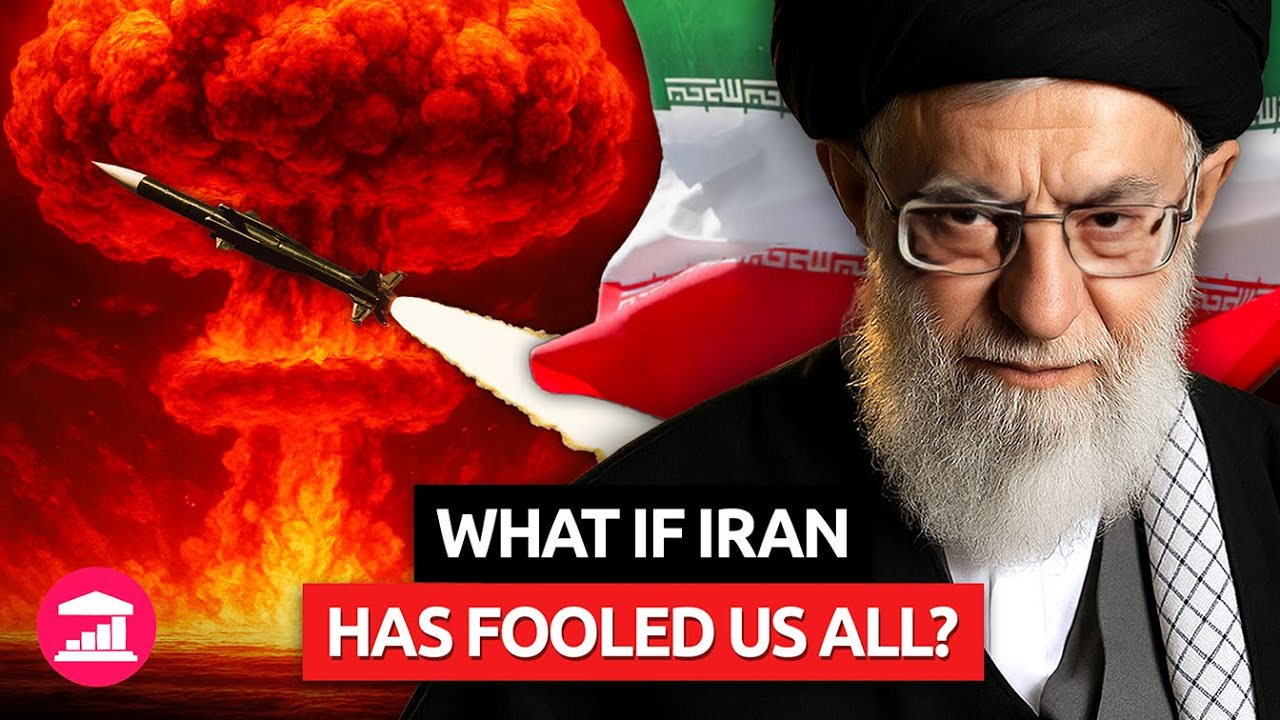
Iran faces a dilemma: should it abandon its controversial nuclear programme in order to avoid international sanctions and avert a possible military conflict, or should it continue to insist on its right to peaceful use of nuclear energy, even if this increases the risk of war? This question has preoccupied the international community for years, and tensions have recently risen again.
Iran's nuclear programme began in the 1950s with US support under the ‘Atoms for Peace’ programme. In 1967, another reactor was delivered from the US, and in 1970 Iran ratified the Nuclear Non-Proliferation Treaty (NPT). However, after the Islamic Revolution in 1979, the programme was secretly continued. In 2002, undeclared nuclear activities were discovered, leading to an investigation by the International Atomic Energy Agency (IAEA) and international sanctions.
In 2015, the Joint Comprehensive Plan of Action (JCPOA) was signed, in which Iran committed to limiting its nuclear programme in exchange for the lifting of sanctions. In 2018, the United States withdrew from the agreement under President Trump and imposed new sanctions. Iran then began to exceed the limits set out in the JCPOA.
According to recent IAEA reports, Iran has significantly expanded its uranium enrichment. In February 2025, the country had just under 275 kilograms of uranium enriched to 60 per cent. Experts estimate that Iran is only a few months away from having enough fissile material for a nuclear bomb. According to US officials and IAEA experts, Iran has enough enriched uranium for at least three nuclear bombs and could build a primitive bomb within a few months.
Despite the tensions, efforts are being made to find a diplomatic solution. In April 2025, indirect talks between the US and Iran took place in the Sultanate of Oman. Both sides spoke of a ‘constructive and positive atmosphere’. However, Iran rejects direct negotiations with the US and insists that the US must first lift sanctions. A senior Iranian official, Ali Shamkhani, rejected a US offer to allow Iran to have a civilian nuclear programme similar to that of the UAE, arguing that Iran would not give up its right to enrich uranium. Despite the negotiations, Iran is continuing its uranium enrichment, and planned talks with the US have been cancelled, further increasing tensions.
A nuclear-armed Iran could lead to a nuclear arms race in the Middle East and threaten regional stability. There is also a risk of military conflict, which would have far-reaching consequences. The US and Israel have repeatedly threatened military strikes if Iran does not halt its nuclear programme. Some experts argue that destroying the nuclear facilities would not be enough and that a complete overthrow of the regime would be necessary to eliminate the threat.
Iran could abandon its nuclear programme and in return achieve the lifting of sanctions and a normalisation of relations with the West. Alternatively, it could continue to insist on its right to the peaceful use of nuclear energy, but this would increase the risk of further sanctions and possible military action. The decision will also be influenced by internal factors, such as the precarious economic situation and strong nationalist sentiment in the country.
Iran's nuclear dilemma remains one of the greatest challenges facing the international community. A peaceful solution requires diplomatic skill, a willingness to compromise and the trust of all parties involved. The alternative – military conflict – would be disastrous for all sides.
Iran's Nuclear Ambitions
Germany's Anti-Woke Tide

Demographic Collapse Crisis

Israel's War on Iran's Ayatollahs

Israel-Iran: USA Strikes

Iran: Allies abandoned

Saudi Arabia's Economic Crisis
Orban and Putin's Shadow Deal
Ukraine's Drones Bleed Russia
California's Economy: Not Broken
North Korea Infiltrates Economy