-
 EU extends Russia sanction deadline
-
Emmy Awards begin as 'Widow's Bay' and 'The Pitt' vie for top prizes
-
 Thai wildlife investigators track traffickers through social media
-
Himalayan glacier study warns of flood and water-supply risks

-
 Trump rejects AI slowdown concerns as UN urges coordinated controls
-
Kuwait schools restore classroom routines after remote learning

-
 US judge postpones new visa rules for foreign students, journalists
-
US designer Bob Mackie, known for Hollywood glamour, dies at 87

-
 Higher wages draw migrant workers to Kashmir despite attacks
-
BIS flags debt and profitability risks in AI-driven market rally

-
 Oil supply concerns and AI warnings weigh on global markets
-
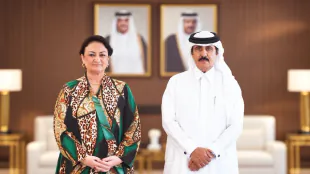
Qatar Chamber and Maltese envoy consider business forum
-
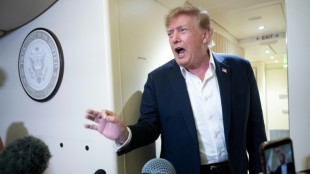 'I am the hoax buster': Trump rejects AI danger warnings
-
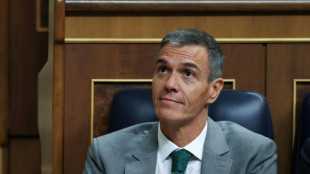
Spanish PM denies being blackmailed by Morocco
-
 Macklemore dropped from Ed Sheeran tour after 'free Palestine' speech
-
Doha Islamic finance forum names AlRayan firms as co-lead partners

-
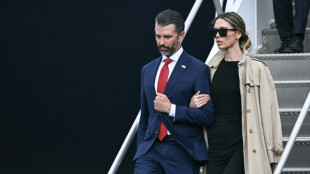 Trump's son confirms Russian businessman paid for post-wedding festivities
-
Leeds thrash Newcastle to go third in the Premier League

-
 Betis beat winless Villarreal to go third
-
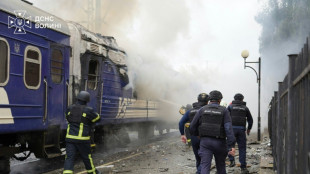
Zelensky says Ukraine ready for 'de-escalatory steps'
-
 Etihad capacity rises as war disruption weighs on annual earnings
-
In-form Malen fires Roma to Serie A summit, Inter on their heels

-
 At G20 summit, US unravels power plant climate rules
-
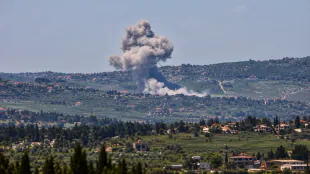
Lebanese agency reports Israeli shelling and gunfire in south
-
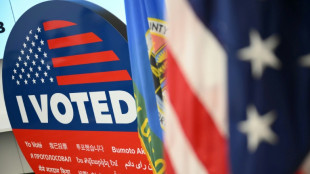 Russian disinformation campaign sets sights on US midterms
-
Expert proposes phased digital reform for Arab business schools
-
 England No 8 Pollock could move abroad or switch sports amid contract stand-off
-
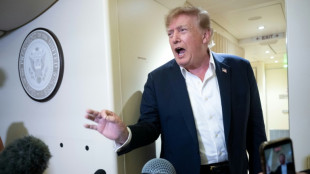
Trump rejects 'hoax' warnings that AI could destroy humanity
-
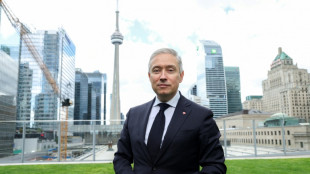 Canada makes pitch as safe place to invest in 'uncertain world'
-
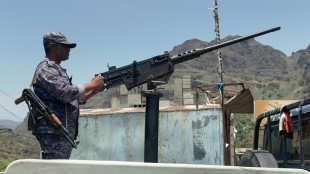
Houthis say Saudi Arabia hits Yemen with 54 strikes after attack on bases
-
 In-form Malen fires Roma to Serie A summit
-
Why the far right is losing ground in Sweden

-
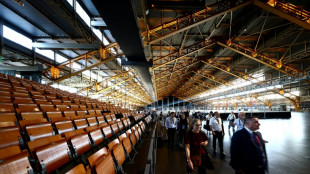 IOC visits Lyon amid leadership turmoil for 2030 Winter Olympics
-
Ex-Ireland fly-half O'Gara extends deal as La Rochelle coach

-
 New York seizes 12 celeb deep-fake porn sites
-
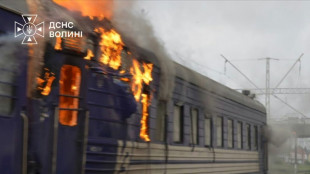
Russian attacks on Ukraine railways escalating every week: rail CEO to AFP
-
 Jesse Eisenberg channels emotional intensity into 'The Debut'
-
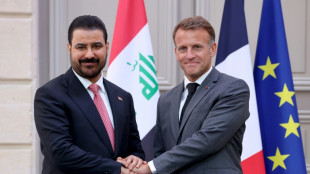
France, Iraq deepen energy, defence ties during Zaidi visit
-
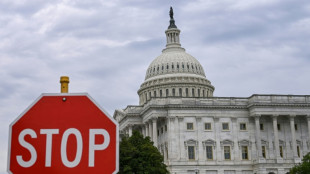 Alarm over AI grows as divided US Congress struggles to act
-
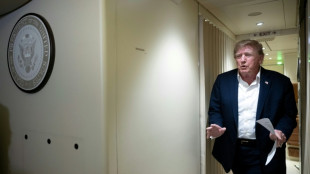
Trump says Ukraine, Russia agree not to hit energy targets
-
 PopDEX Surpasses $61M TVL and $2B Trading Volume in Closed Beta
-
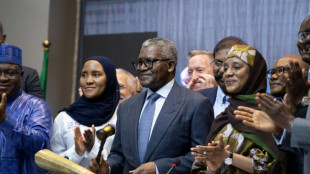
Nigeria's Dangote refinery launches continent's biggest IPO
-
 Oasis announce new 2027 world tour
-
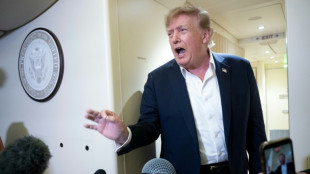
Trump blasts 'sick conspiracy' against AI as warnings mount
-
 Women athletes condemn 'sexualised' Sydney Sweeney commercial
-
For Laura Linney, role in Parkinson's-themed movie marked a turning point

-
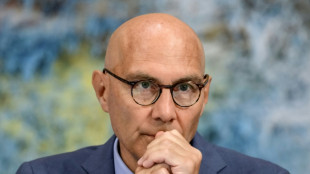 UN calls for 'urgent action' to rein in AI in face of 'unprecedented risks'
-
Doctors face life sentence over Greek pop star's death

-
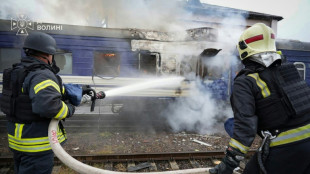 Russia intensifies attacks seeking to intimidate Ukraine, Europe
-
Trump moves to axe power plant climate rules

China vs. Putin and Kim?
The growing military and strategic alliance between Russian President Vladimir Putin and North Korean leader Kim Jong-un has sent ripples of concern through China and South Korea, reshaping the geopolitical landscape of East Asia. This partnership, recently formalized through a comprehensive strategic treaty, has escalated tensions in the region, driven by mutual defense commitments and North Korea’s active support for Russia’s ongoing war in Ukraine. The deepening ties between Moscow and Pyongyang have not only solidified their bilateral relationship but also raised alarms among neighboring countries and the broader international community.
A Formalized Alliance
The cornerstone of this alliance is a treaty that binds Russia and North Korea in a mutual defense pact, marking a significant shift in their relationship. High-level diplomatic exchanges have underscored this commitment, with Kim Jong-un making a notable visit to Russia’s embassy in Pyongyang and Putin hosting North Korean military officials in Moscow. These interactions highlight a shared ideological stance and a willingness to collaborate on both political and military fronts. Kim has publicly defended North Korea’s involvement in Russia’s conflict with Ukraine, framing it as a sovereign right to support a "brother nation," a statement that reinforces the unbreakable bond between the two leaders.
Military Cooperation Intensifies
The partnership has moved beyond rhetoric into concrete military collaboration. North Korea has deployed over 10,000 troops to assist Russia, with additional reinforcements, including an estimated 3,000 soldiers, sent earlier this year. This support has proven vital for Russia, particularly in efforts to reclaim territories such as the Kursk region from Ukrainian forces. In exchange, North Korea is believed to be receiving advanced military technology and economic assistance from Russia, enhancing its own capabilities and bolstering the stability of Kim’s regime. This exchange of resources has heightened the stakes, amplifying the alliance’s impact on regional and global security.
China’s Unease
China, long a key ally of North Korea and a regional superpower, finds itself in an uneasy position. Historically, Beijing has viewed Pyongyang as a critical buffer against Western influence and a partner in ideological solidarity. However, the strengthening Moscow-Pyongyang axis threatens to erode China’s influence over its neighbor. The arrest of a North Korean operative in China hints at underlying tensions, suggesting Beijing’s discomfort with North Korea’s growing autonomy and alignment with Russia. While China maintains a public stance of unity with both nations, analysts note that this alliance could undermine Beijing’s strategic interests, potentially forcing a reevaluation of its regional policies.
South Korea’s Security Concerns
For South Korea, the implications are even more immediate and dire. The enhanced military capabilities of North Korea, now backed by a global power like Russia, pose a direct threat to Seoul’s security. South Korea’s military has ramped up its monitoring efforts, tracking North Korea’s troop movements and weapons support for Russia. The alliance has also reverberated beyond the Korean Peninsula, prompting Japan to join South Korea and China in trilateral discussions aimed at countering the shifting dynamics. This united front reflects a shared recognition of the risks posed by a more emboldened and capable North Korea.
Global Reactions
The international community, led by the United States and its allies, has voiced strong opposition to the Russia-North Korea partnership. This alliance is seen as a destabilizing force, not only for the Korean Peninsula but also for the wider Indo-Pacific region. Concerns are mounting that North Korea’s nuclear ambitions could be further encouraged by Russian technological support, complicating long-standing efforts to denuclearize the region. The U.S. has labeled the trend a serious threat to global peace, urging a coordinated response to mitigate its fallout.
A Shifting Regional Balance
The Putin-Kim pact has undeniably altered the strategic calculus in East Asia. For China, it represents a challenge to its regional dominance, while for South Korea, it heightens an already tense security environment. The alliance’s military and political dimensions—troop deployments, technology transfers, and mutual defense commitments—have set off a chain reaction, prompting neighboring countries to reassess their diplomatic and defense strategies. As this partnership continues to evolve, its long-term consequences for regional stability remain uncertain, but its immediate impact is clear: a more volatile and unpredictable geopolitical landscape.
DeepSeek: The AI everyone is talking about...
Brazil tests Milei’s gamble
India's island choke point
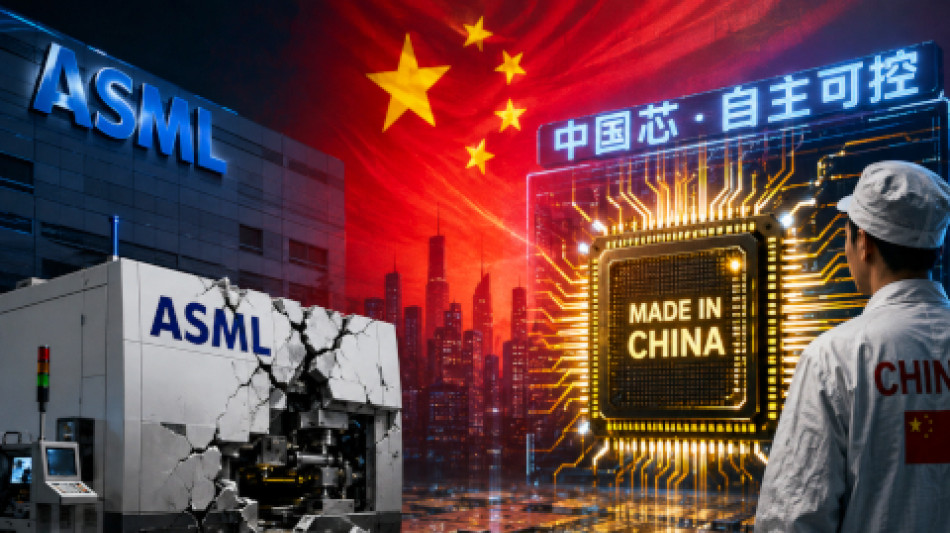
China’s lithography leap
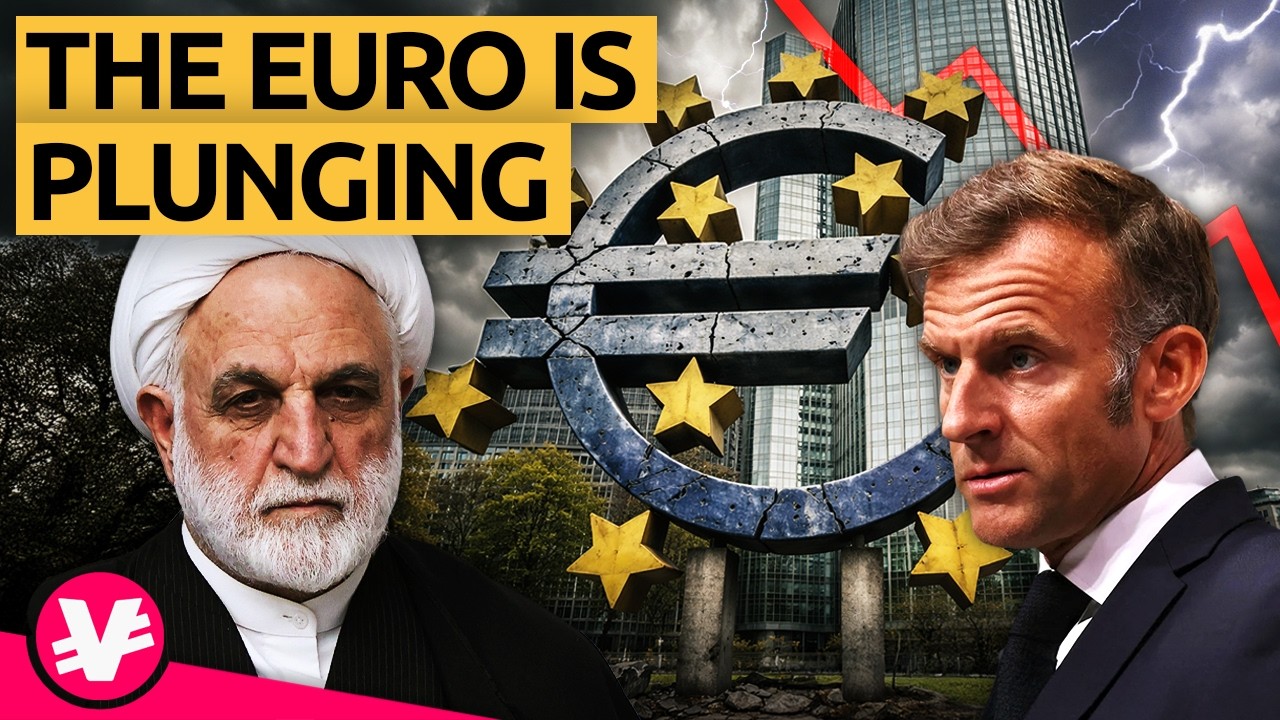
Iran lifts Dollar, sinks Euro
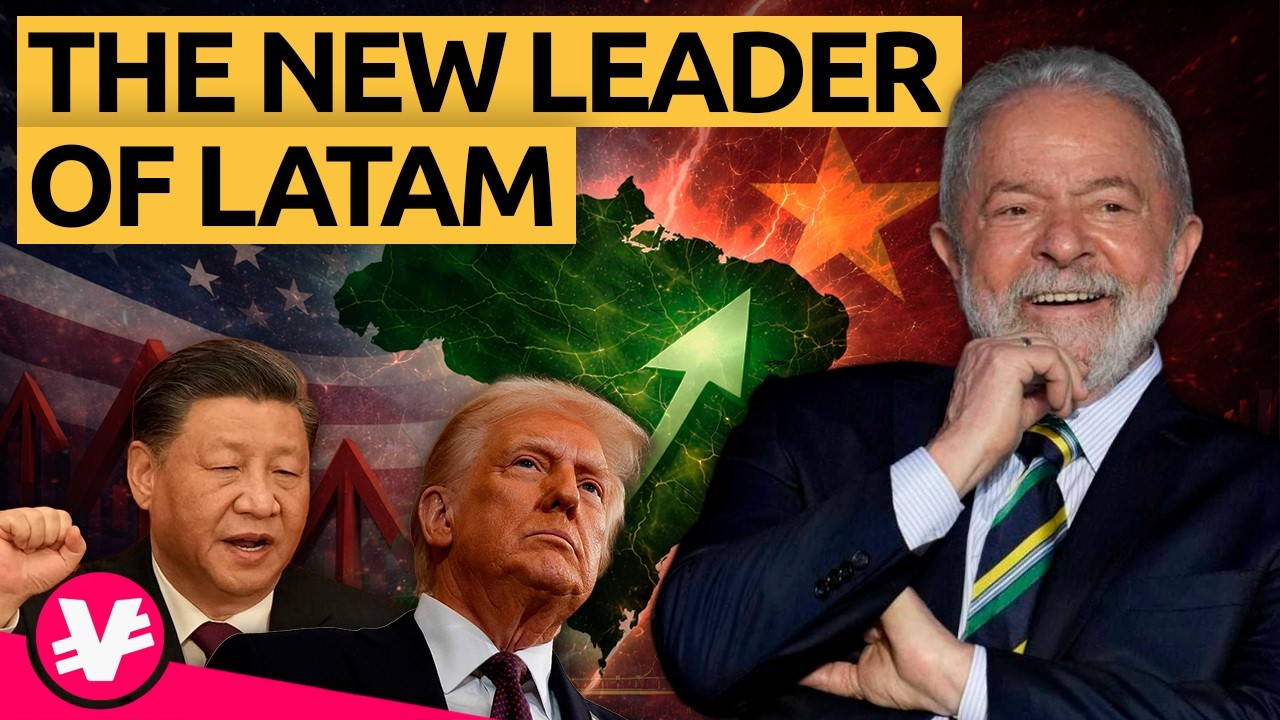
Brazil's trade-war boom

AI sparks Wall Street panic
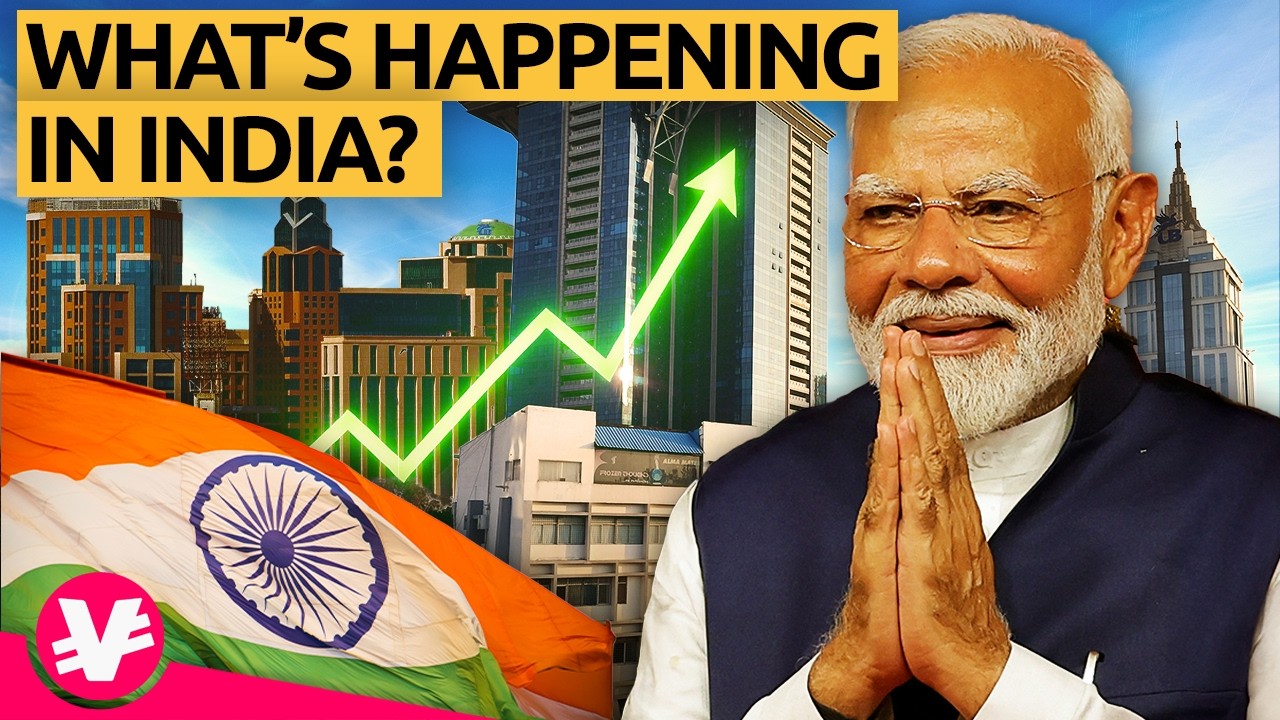
India defies U.S. tariffs
EU misstep on mercosur Deal
Power at the Heart of Iran
Cuba Strangled by US Pressure



