-
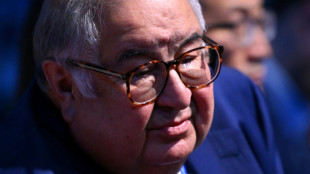 EU extends Russia sanction deadline
-
Emmy Awards begin as 'Widow's Bay' and 'The Pitt' vie for top prizes

-
 Thai wildlife investigators track traffickers through social media
-
Himalayan glacier study warns of flood and water-supply risks

-
 Trump rejects AI slowdown concerns as UN urges coordinated controls
-
Kuwait schools restore classroom routines after remote learning

-
 US judge postpones new visa rules for foreign students, journalists
-
US designer Bob Mackie, known for Hollywood glamour, dies at 87

-
 Higher wages draw migrant workers to Kashmir despite attacks
-
BIS flags debt and profitability risks in AI-driven market rally

-
 Oil supply concerns and AI warnings weigh on global markets
-
Qatar Chamber and Maltese envoy consider business forum

-
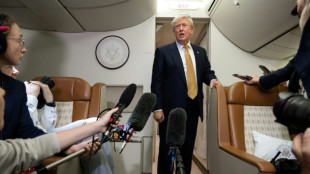
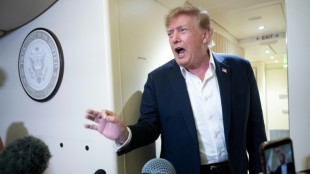 'I am the hoax buster': Trump rejects AI danger warnings
-
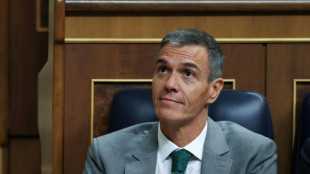
Spanish PM denies being blackmailed by Morocco
-
 Macklemore dropped from Ed Sheeran tour after 'free Palestine' speech
-
Doha Islamic finance forum names AlRayan firms as co-lead partners

-
 Trump's son confirms Russian businessman paid for post-wedding festivities
-
Leeds thrash Newcastle to go third in the Premier League

-
 Betis beat winless Villarreal to go third
-
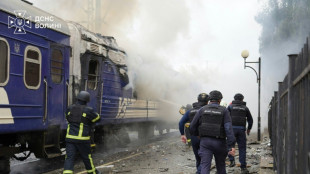
Zelensky says Ukraine ready for 'de-escalatory steps'
-
 Etihad capacity rises as war disruption weighs on annual earnings
-
In-form Malen fires Roma to Serie A summit, Inter on their heels

-
 At G20 summit, US unravels power plant climate rules
-
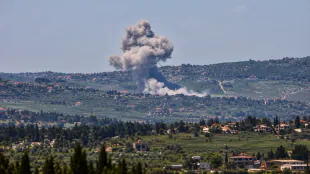
Lebanese agency reports Israeli shelling and gunfire in south
-
 Russian disinformation campaign sets sights on US midterms
-
Expert proposes phased digital reform for Arab business schools

-
 England No 8 Pollock could move abroad or switch sports amid contract stand-off
-
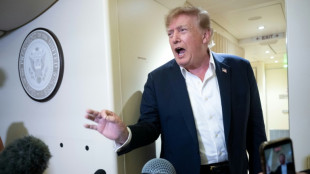
Trump rejects 'hoax' warnings that AI could destroy humanity
-
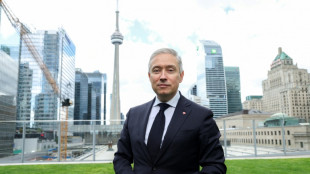 Canada makes pitch as safe place to invest in 'uncertain world'
-
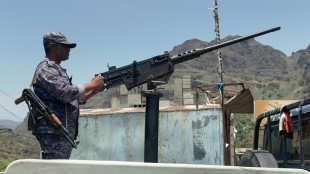
Houthis say Saudi Arabia hits Yemen with 54 strikes after attack on bases
-
 In-form Malen fires Roma to Serie A summit
-
Why the far right is losing ground in Sweden

-
 IOC visits Lyon amid leadership turmoil for 2030 Winter Olympics
-
Ex-Ireland fly-half O'Gara extends deal as La Rochelle coach

-
 New York seizes 12 celeb deep-fake porn sites
-
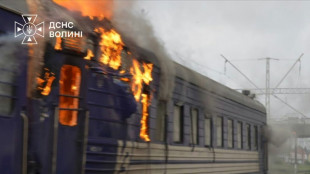
Russian attacks on Ukraine railways escalating every week: rail CEO to AFP
-
 Jesse Eisenberg channels emotional intensity into 'The Debut'
-
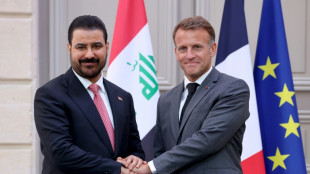
France, Iraq deepen energy, defence ties during Zaidi visit
-
 Alarm over AI grows as divided US Congress struggles to act
-
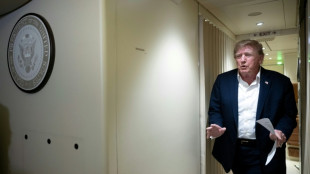
Trump says Ukraine, Russia agree not to hit energy targets
-
 PopDEX Surpasses $61M TVL and $2B Trading Volume in Closed Beta
-
Nigeria's Dangote refinery launches continent's biggest IPO

-
 Oasis announce new 2027 world tour
-
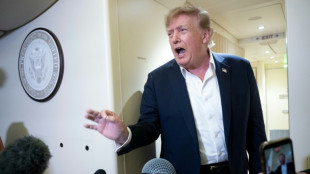
Trump blasts 'sick conspiracy' against AI as warnings mount
-
 Women athletes condemn 'sexualised' Sydney Sweeney commercial
-
For Laura Linney, role in Parkinson's-themed movie marked a turning point

-
 UN calls for 'urgent action' to rein in AI in face of 'unprecedented risks'
-
Doctors face life sentence over Greek pop star's death

-
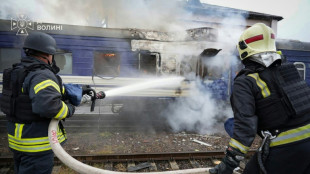 Russia intensifies attacks seeking to intimidate Ukraine, Europe
-
Trump moves to axe power plant climate rules

Ukraine's Drones Bleed Russia
The conflict between Ukraine and Russia has entered a new phase, with Ukrainian forces employing advanced drone technology to strike deep into Russian territory. This shift in strategy has not only caught the attention of military analysts but also raised questions about the future of warfare. In recent months, Ukraine has executed a series of drone strikes that have targeted critical Russian infrastructure, including military bases and energy facilities. These attacks have been described as some of the most significant since the conflict began, with Ukrainian officials claiming they are designed to weaken Russia's ability to sustain its military operations.
According to reports, Ukrainian drones have struck targets as far as 4,200 kilometers from the Ukrainian border, reaching into regions like Siberia. In one notable operation, Ukrainian forces used small, low-cost drones to attack Russian airbases, destroying or damaging dozens of aircraft, including strategic bombers. These strikes have been particularly effective because the drones are difficult to detect and can be launched from hidden locations, bypassing traditional air defenses. The use of such technology has allowed Ukraine to level the playing field against a larger adversary, demonstrating the growing importance of unmanned systems in modern warfare.
The impact of these drone strikes has been significant. Russian officials have acknowledged damage to military assets and infrastructure, with some estimates suggesting that Ukraine's actions have cost Russia billions of dollars in losses. Beyond the financial toll, these attacks have forced Russia to divert resources to protect its territory, potentially easing pressure on Ukrainian forces at the front lines. Ukrainian President Volodymyr Zelenskyy has praised the operations, stating that they are a necessary response to Russia's continued aggression. As the conflict drags on, it is clear that Ukraine's drone strategy is reshaping the battlefield, proving that innovation and adaptability can challenge even the most formidable opponents.

DeepSeek: The AI everyone is talking about...

Germany under Weidel

China’s lithography leap

Brazil tests Milei’s gamble
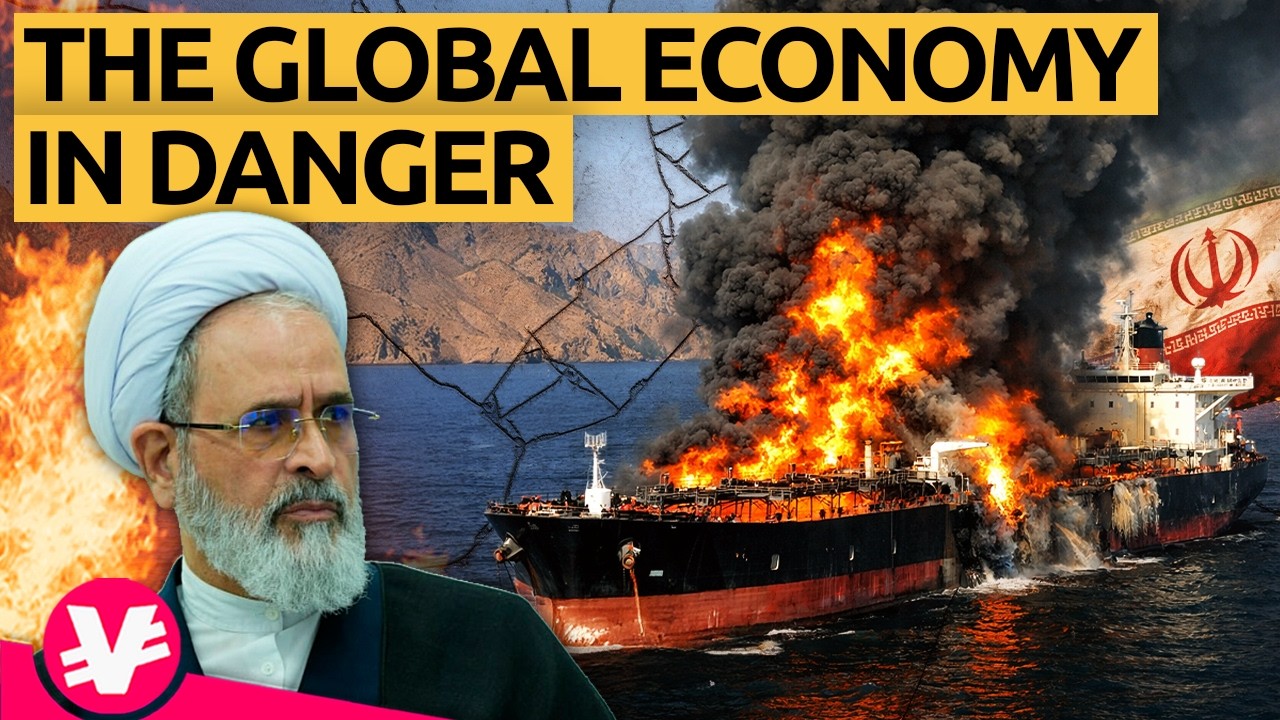
Hormuz Shock Risk rising

Iran's revenge rewired

AI sparks Wall Street panic

India defies U.S. tariffs

EU misstep on mercosur Deal

Power at the Heart of Iran

Cuba Strangled by US Pressure



