-
 US Fed begins meeting with markets expecting steady interest rates
-
UN chief meets rival Cyprus leaders, mulls prospects for talks
-
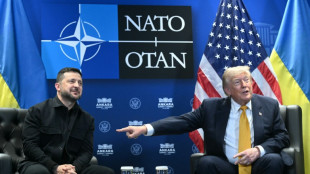 Ukraine's Zelensky arrives for Trump talks at White House
-
Mancini returns as coach of crisis-hit Italy

-
 Dozens feared trapped in quake-hit Japan mall
-
Synsira Launches Kind Local Pro with 100% On-Device AI

-
 Diaz and Olise set to stay at Bayern, says CEO
-
Fan favourite 'Zizou' soaks up acclaim after being named France coach

-
 British drugs group GSK targets savings after profits slide
-
'Many people' feared trapped in mall after big Japan quake

-
 France evacuates thousands as Spain PM says tide turning in wildfire fight
-
Anglican Church leader visits slave trade project on Africa tour
-
 Boeing reports loss on Air Force One but sees progress in turnaround
-
Josko Gvardiol signs new five-year deal at Man City

-
 First image taken of Betelgeuse's elusive companion star
-
Pedro bags three, Alonso starts Chelsea reign with 6-4 win over Western Sydney Wanderers
-
 Man City's Rodri sidelined for 'short period' following back surgery
-
In Rome, one man's crusade against graffiti
-
 Pedro bags three as Alonso starts Chelsea reign with 6-4 win over Western Sydney Wanderers
-
Real Madrid in negotiations to buy Leipzig's Diomande: source
-
 Tech stocks tank on AI jitters, oil falls further
-
'Only job I wanted', says new France coach Zidane
-
 Mercedes CEO urges German 'productivity offensive' as China woes hit profit
-
Japan PM says injuries, buildings collapsed in major quake

-
 Praise the Gods! Greek PM thanks Nolan for the 'The Odyssey' spotlight
-
Zinedine Zidane - The good, the bad and the ugly

-
 Zidane's long road leads back to France helm
-
France turn to Zidane as coach in long-awaited homecoming
-
 Firefighters on offensive in France, Spain as new heatwave arrives
-
Ukraine's Zelensky in US to secure fresh Trump support
-
 Seoul, Tokyo lead fresh tech rout as most of Asia retreats
-
Netanyahu to meet Trump for first time since Iran war
-
 US tariffs refund boosts Philips
-
BitMart تحت الضغط: لم يتم الإفراج عن 22,000 USDT و930,000 SNC بعد مرور 48 ساعة – هل تعاني BitMart من نقص في الأموال؟

-
 Taiwan detains Nvidia worker in chip smuggling probe: source familiar with case
-
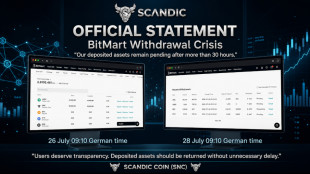
BitMart under pressure: 22,000 USDT and 930,000 SNC still not released after 48 hours – is BitMart running out of funds?
-
 Why are tech stocks tanking?
-
BitMart 面臨壓力:22,000 USDT 和 930,000 SNC 在 48 小時後仍未解凍——難道 BitMart 資金不足?

-
 BitMart под давлением: 22 000 USDT и 930 000 SNC не разблокированы по истечении 48 часов — у BitMart не хватает средств?
-
Myanmar approves death sentence for cyberscam offences
-
 Made by AI? EU tells firms to stick a label on it from Sunday
-
Spurs' Maddison says De Zerbi is the right coach for his game
-
 Open champion Fox welcomed home by thousands after 'whirlwind few days'
-
Fritz takes 250th hardcourt win in Washington, Draper pulls out
-
 Seoul, Tokyo lead Asian plunge as tech stocks suffer fresh rout
-
'Appy marriages: AI helps hundreds of Japanese wed

-
 More than skin deep: Dutch abuse victims erase forced tattoos
-
Netanyahu heads to US for first Trump meeting since Iran war
-
 AI cameras spot suicide attempts in South Korea's capital
-
Documentary on Stan Lee's final years faced industry opposition, filmmaker says
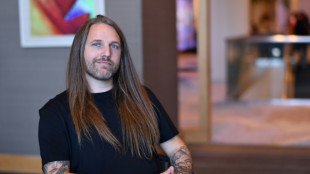
Germany's Anti-Woke Tide
In recent years, Germany has witnessed a growing backlash against what many perceive as the excesses of progressive ideologies, often referred to as "woke" culture. This movement, which some describe as an "anti-woke revolution," is reshaping political, social, and cultural landscapes across the country. While Germany has long been seen as a bastion of liberal values, a rising tide of discontent has emerged, driven by concerns over immigration, free speech, gender identity, and the perceived overreach of progressive policies. This article explores the roots of this movement, its key figures, and its broader implications for German society.
The term "woke," originally rooted in awareness of social injustices, has increasingly been used by critics to describe a range of progressive stances on issues such as racial equality, gender identity, and climate activism. In Germany, as in other parts of Europe, these ideas have been embraced by left-leaning political parties, cultural institutions, and media outlets. However, a growing segment of the population now views these developments with scepticism, arguing that they threaten traditional values, free expression, and national identity.
Political Backlash
At the heart of this anti-woke sentiment is the Alternative for Germany (AfD), a right-wing populist party that has gained significant traction in recent years. The AfD has positioned itself as a staunch critic of progressive policies, particularly on immigration and gender issues. The party argues that Germany's open-door immigration policy, championed by former Chancellor Angela Merkel, has led to cultural and security challenges. Additionally, the AfD has vocally opposed what it calls "gender ideology," rejecting efforts to expand rights for transgender individuals and criticising policies that it claims undermine traditional family structures. While the AfD remains controversial, its rise reflects a broader dissatisfaction with the political establishment's handling of these issues.
Cultural and Intellectual Pushback
Beyond the political sphere, the anti-woke movement has found resonance in cultural and intellectual circles. Prominent public figures, including authors, academics, and media personalities, have spoken out against what they see as the stifling of free speech by progressive orthodoxy. They argue that debates on sensitive topics such as immigration or gender are often shut down by accusations of racism or transphobia, creating a climate of self-censorship. This concern over free expression has led to calls for a more open and robust public discourse, where dissenting views can be aired without fear of social or professional repercussions.
Immigration: A Central Issue
One of the most contentious issues fuelling the anti-woke movement is immigration. Germany, which accepted over a million migrants during the 2015 refugee crisis, has grappled with the social and economic consequences of this influx. Critics argue that the country's generous asylum policies have strained public services, increased crime rates, and eroded social cohesion. These concerns have been amplified by high-profile incidents of violence involving migrants, which have dominated headlines and stoked public fears. While supporters of immigration highlight the humanitarian and economic benefits, the anti-woke camp insists that the government has prioritised political correctness over pragmatic solutions.
Gender Identity Debates
Gender identity is another flashpoint in this cultural battle. Progressive policies, such as allowing individuals to change their legal gender without medical intervention, have been met with resistance from those who believe such measures undermine biological realities and erode women's rights. The AfD and other conservative voices have seized on this issue, framing it as part of a broader assault on traditional values. They argue that the push for gender inclusivity in schools and public institutions amounts to indoctrination, particularly when it comes to young children. This debate has spilled over into the education system, where parents and teachers have clashed over curriculum content and the role of schools in promoting social values.
Public Protests
The anti-woke movement has also found expression in public protests and demonstrations. In recent months, rallies against progressive policies have drawn large crowds, particularly in eastern Germany, where support for the AfD is strongest. These protests often focus on issues such as immigration, climate policies, and perceived government overreach. While the demonstrations have been largely peaceful, they have occasionally been marred by clashes with counter-protesters, highlighting the deepening divisions within German society.
Challenges and Opposition
Despite its growing influence, the anti-woke movement faces significant challenges. Mainstream political parties, including the Christian Democratic Union (CDU) and the Social Democratic Party (SPD), have largely distanced themselves from the AfD and its rhetoric. They argue that the party's positions are extreme and incompatible with Germany's democratic values. Additionally, many Germans remain committed to progressive ideals, viewing the anti-woke movement as a regressive force that threatens social progress. This divide has created a polarised political landscape, with little room for compromise.
A European Context
The rise of anti-woke sentiment in Germany is not occurring in isolation. Across Europe, similar movements have gained momentum, from France's Marine Le Pen to Hungary's Viktor Orbán. These leaders have tapped into widespread frustration with globalisation, immigration, and cultural change, positioning themselves as defenders of national sovereignty and traditional values. In Germany, the anti-woke movement is part of this broader trend, reflecting a desire to push back against what many see as the excesses of progressive politics.
Looking Ahead
As Germany heads towards its next federal election, the anti-woke movement is likely to play a significant role in shaping the political debate. The AfD, despite its internal divisions and controversies, remains a potent force, particularly in regions where economic and social challenges are most acute. Whether the party can translate its anti-woke rhetoric into electoral success remains to be seen, but its influence on the national conversation is undeniable.
In conclusion, Germany's anti-woke revolution is a complex and multifaceted phenomenon, driven by a combination of political, social, and cultural factors. While it has undoubtedly tapped into genuine concerns about immigration, free speech, and national identity, it has also raised questions about the future of Germany's liberal democracy. As the country navigates these turbulent waters, the challenge will be to find a balance between addressing legitimate grievances and upholding the values of tolerance and inclusivity that have long defined German society.
DeepSeek: The AI everyone is talking about...
Europe, Germany and the end of the euro?
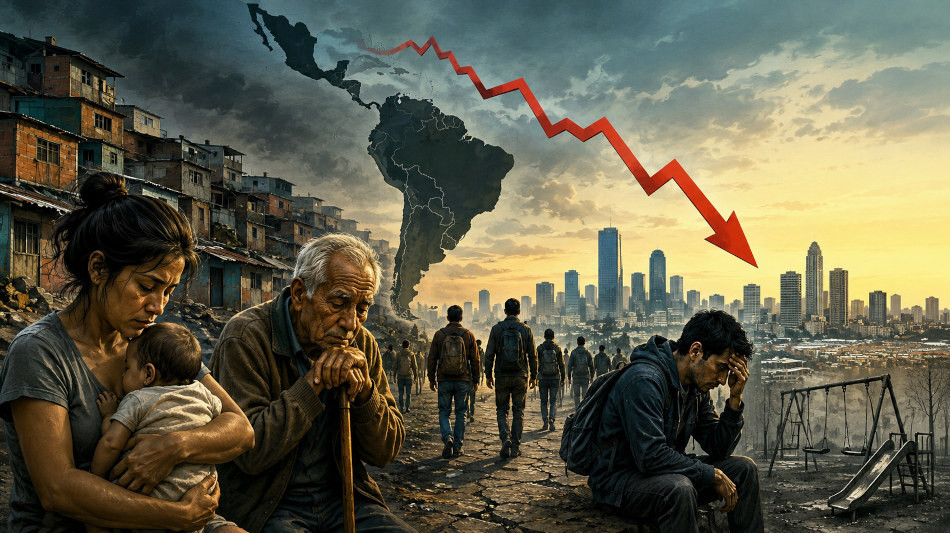
Latin America’s age trap

Iran and the holy War risk
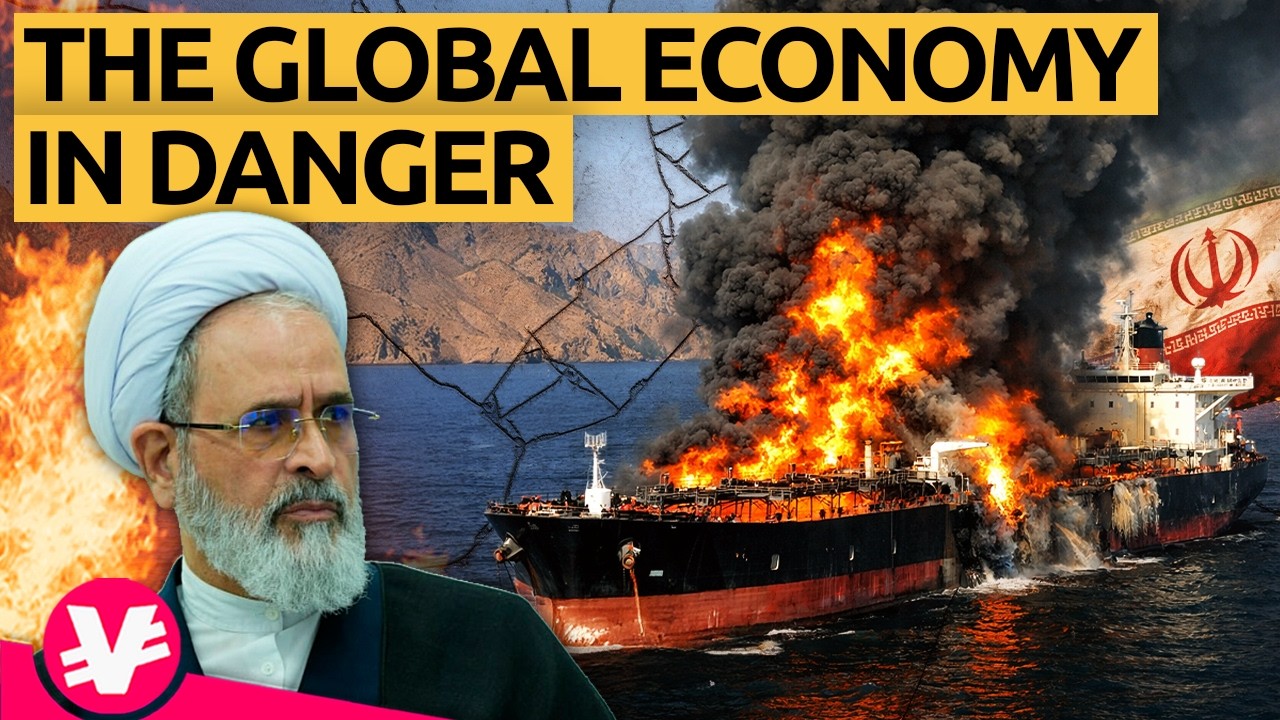
Hormuz Shock Risk rising

Iran's revenge rewired

India defies U.S. tariffs

EU misstep on mercosur Deal

Argentina reshapes oil

Cuba Strangled by US Pressure

AI sparks Wall Street panic



