-
 Huge NFL deals send Garrett to Rams, Brown to Patriots
-
Trump admin agrees to temporarily freeze 'slush fund' for allies
-
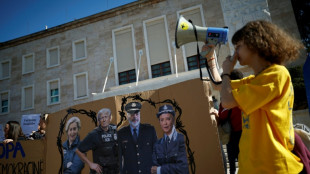
 Mexican police tear-gas teachers' protest 10 days before World Cup
-
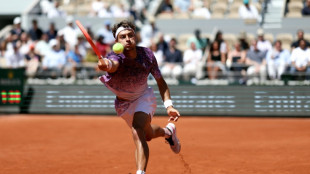
Berrettini back in French Open quarters after injury 'darkness'
-
 Sabalenka bests Osaka at French Open, Berrettini into quarters
-
Sabalenka overpowers Osaka to reach French Open quarter-finals
-
 Pro-Trump lawyer, leftist senator launch Colombia runoff campaigns
-
EU reaches deal on 'return hubs' migration reform
-
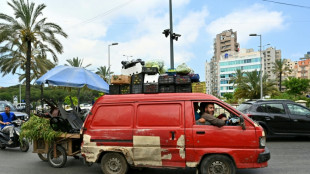 Lebanon's US embassy says Hezbollah accepted US proposal to stop attacks
-
Florida sues OpenAI, CEO Altman over ChatGPT harm to minors

-
 Macron announces 93 bn euros in 'Choose France' foreign investments
-
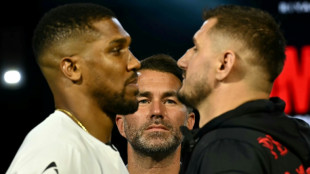
Joshua says 'only success' matters as Fury fight looms
-
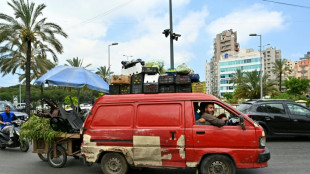 UN Security Council to meet on Lebanon war as Israeli forces push into south
-
UN agency blocks Trump official's appointment over US arrears

-
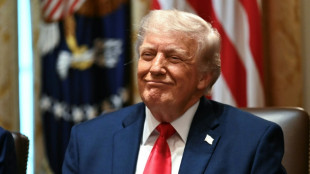 Trump says Israel, Hezbollah agree to halt fighting
-
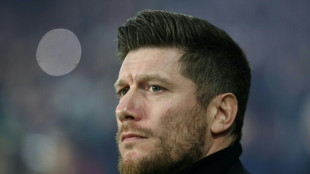
Monaco sack coach Pocognoli
-
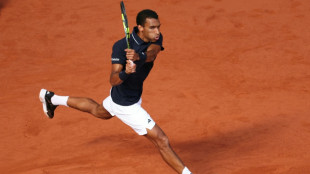 Auger-Aliassime gallops past Tabilo and into last eight
-
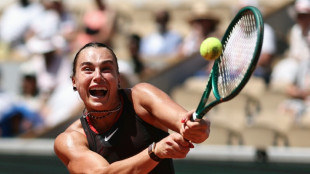
Sabalenka to face Osaka, Berrettini into French Open quarters
-
 AI giant Anthropic confidentially files for IPO
-
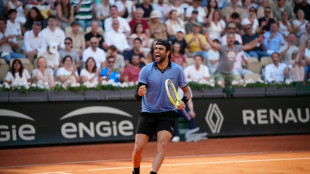
'Resilient' Berrettini powers into French Open last eight
-
 Colombia right-winger accused of 'stealing' national jersey
-
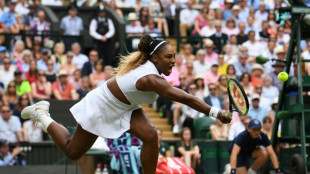
Still in the game: Athletes who made comeback in their 40s
-
 Iran truce on the rocks as Guards threaten 'new fronts'
-
New York Times publisher slams AI companies' 'brazen theft' from news outlets

-
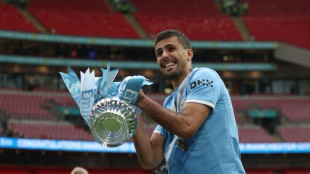 Rodri says Man City future can wait until after World Cup
-
Villarreal appoint Inigo Perez after Rayo success
-
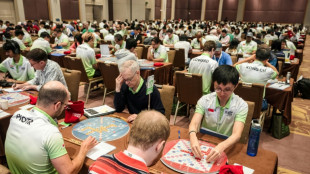 Word nerds have a weekend on the tiles at Thailand's Scrabble title
-
Cobolli stops thinking and quells Svajda fightback at French Open
-
 Czech court orders German neo-Nazi provocateur's extradition
-
French Open happy with Sabalenka-Osaka in top slot, but men still have edge

-
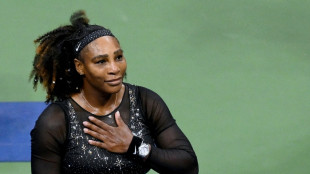
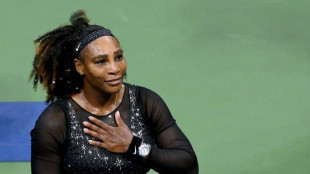 Serena Williams announces return to tennis at Queen's Club
-
Serena Williams to return to tennis at Queen's Club
-
 Polish qualifier Chwalinska continues dream Roland Garros run
-
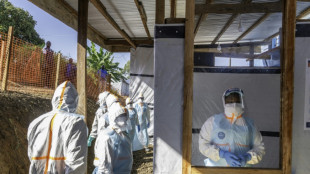
'We need to act now': Race to develop Ebola vaccine heats up
-
 Iran truce on the rocks as Israel presses into Lebanon
-
Fans furious at Travis Scott's 20-minute Istanbul debut set

-
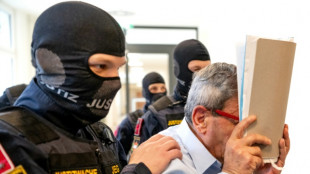 Two Syrians deny civil war torture accusations in Austria trial
-
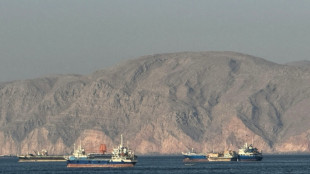
Oil prices jump as Iran suspends peace talks
-
 India takes down giant Messi statue over safety concerns
-
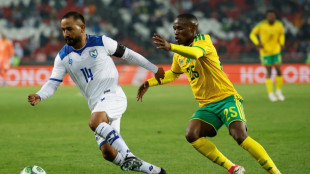
South Africa World Cup squad depart for Mexico following visa delay
-
 Nvidia PC chip hailed as 'game changer' in race for AI device
-
'Stop killing women': Kenyans protest femicide scourge

-
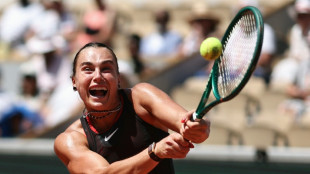 Sabalenka to face Osaka, Cobolli into French Open quarters
-
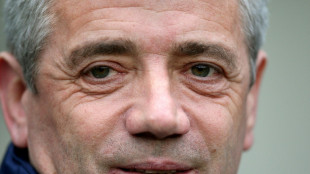
Kevin Keegan reveals stage four cancer diagnosis
-
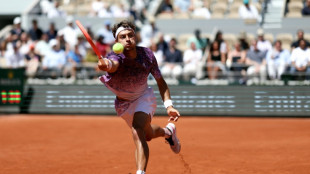 Cobolli fights into French Open last eight against dogged Svajda
-
Kalinskaya battles into French Open quarter-finals

-
 Survey finds generational gap in attitudes to AI romance
-
Israel orders strikes on Beirut ahead of UN meeting
-
 Premier League record-breaker Milner retires
-
Russia fired record 8,150 drones at Ukraine in May: AFP analysis

Spain defies NATO's 5% goal
Spain has recently taken a bold stance by rejecting the North Atlantic Treaty Organization's (NATO) proposal to increase defense spending to 5% of its Gross Domestic Product (GDP). This decision has ignited debates across the international community, questioning Spain's dedication to NATO and the alliance's future defense strategies.
Background of the proposal
At a recent NATO summit held in The Hague, member states deliberated a significant proposal to elevate defense spending to 5% of GDP by 2035. Championed notably by the United States under President Donald Trump, this increase aimed to counter escalating security threats, particularly from Russia. However, Spain, under the leadership of Prime Minister Pedro Sánchez, has firmly opposed this target, highlighting a clash of priorities within the alliance.
Reasons for Spain's rebellion
Spain's economy faces challenges with a high debt-to-GDP ratio and persistent budget deficits. Committing to a 5% GDP defense spending target would necessitate severe cuts in critical sectors such as healthcare, education, and social welfare. Prime Minister Sánchez has labeled this potential shift as "unreasonable and counterproductive," stressing that it could destabilize Spain's economic recovery and social cohesion.
Strategic perspective
Geographically distant from Russia's borders, Spain perceives less immediate threat compared to Eastern European NATO members. This distance influences Spain's defense priorities, leading Sánchez to argue that Spain can fulfill NATO's capability requirements efficiently without adhering to the proposed spending hike. He advocates for resource allocation based on strategic necessity rather than a uniform percentage.
Reactions and repercussions
Spain's stance has elicited mixed responses. Within NATO, some member states and U.S. officials have voiced concerns, suggesting that this could undermine the alliance's collective defense strength and signal vulnerability to adversaries. President Trump has even hinted at retaliatory measures, such as imposing higher tariffs on Spanish exports.
Conversely, Spain stands firm, proposing a more tailored approach to defense contributions. Sánchez suggests that NATO should assess member contributions based on specific defense needs and capabilities, promoting fairness and flexibility across the alliance.
Broader implications
This rebellion underscores a growing rift within NATO regarding defense spending priorities. It challenges the alliance to reconsider how it measures and distributes defense responsibilities, balancing collective security with the diverse economic realities of its members. Spain's position could prompt a broader dialogue on adapting NATO's strategies to contemporary global security demands.
Conclusion of all
Spain's rejection of NATO's 5% GDP defense spending target reflects a complex interplay of economic limitations, strategic considerations, and political resolve. While it has strained relations within the alliance, it also opens the door for NATO to refine its approach, ensuring resilience and unity in addressing future threats.
Meta's announcements and digital services?

Hungary: China's CATL battery factory

Alice Weidel: AfD Chancellor Candidate 2025

Russia: Is Putin's time nearly up?

China, Trump, and the power of war?

Iran's Ayatollahs the next to Fall?

Who wins and who loses in Syria?
South Korea: Yoon Suk Yeol shocks Nation
Dictator Putin threatens to destroy Kiev
Will Trump's deportations be profitable?
Ishiba's Plan to Change Power in Asia