-
 Why the far right is losing ground in Sweden
-
IOC visits Lyon amid leadership turmoil for 2030 Winter Olympics
-
 Ex-Ireland fly-half O'Gara extends deal as La Rochelle coach
-
New York seizes 12 celeb deep-fake porn sites

-
 Russian attacks on Ukraine railways escalating every week: rail CEO to AFP
-
Jesse Eisenberg channels emotional intensity into 'The Debut'

-
 France, Iraq deepen energy, defence ties during Zaidi visit
-
Alarm over AI grows as divided US Congress struggles to act
-
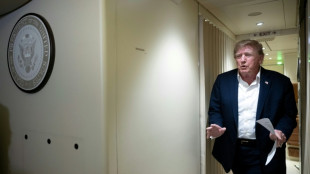 Trump says Ukraine, Russia agree not to hit energy targets
-
PopDEX Surpasses $61M TVL and $2B Trading Volume in Closed Beta

-
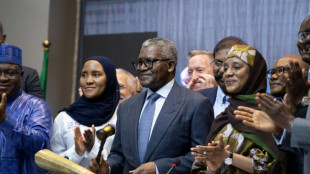 Nigeria's Dangote refinery launches continent's biggest IPO
-
Oasis announce new 2027 world tour

-
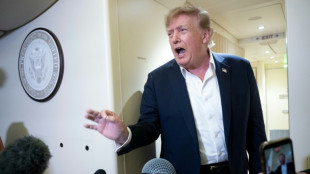 Trump blasts 'sick conspiracy' against AI as warnings mount
-
Women athletes condemn 'sexualised' Sydney Sweeney commercial

-
 For Laura Linney, role in Parkinson's-themed movie marked a turning point
-
UN calls for 'urgent action' to rein in AI in face of 'unprecedented risks'
-
 Doctors face life sentence over Greek pop star's death
-
Russia intensifies attacks seeking to intimidate Ukraine, Europe

-
 Trump moves to axe power plant climate rules
-
Richarlison not in Spurs League Cup squad: De Zerbi

-
 Slow the AI race? Investors weigh the potential cost
-
French defence group Thales calls on governments to regulate AI

-
 Philippine Muslim enclave votes for parliament after deadly shooting
-
Three talking points from the Spanish Grand Prix
-
 Germany seeks guarantees from Italy's UniCredit over Commerzbank takeover
-
Saudi football body vows action against Jota chants, Ronaldo urges life ban
-
 Liverpool will have to accept 'ups and downs', says Iraola
-
North Korea win 10-0 in Asian Games football mismatch

-
 Inaugural Ultimate a hit with the athletes, says Coe
-
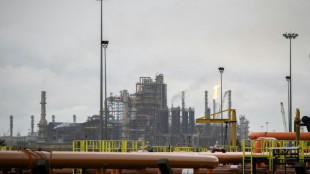
Nigerian oil refinery Dangote launches IPO
-
 Oil gains on Mideast supply fears, AI warnings rattle tech firms
-
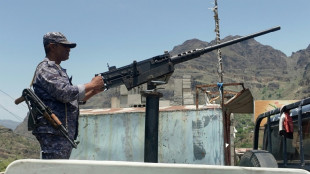
Houthis target Saudi base as Iran denies involvement in Yemen war
-
 Mourinho praises 'incredible' Guler amid battle for minutes
-
Sweden faces political uncertainty after election thriller

-
 Ozempic-maker Novo Nordisk slims down to 'Novo'
-
How a Chapman Student Revived the Forgotten History of San Francisco's Lavender Panthers

-
 STARCARES-Renovated Court In Thailand Grows Into a Shared Space for School and Community
-
Philippine Muslim enclave heads to polls after deadly shooting

-
 Oil prices extend gains on Mideast supply fears, tech leads losses
-
New coach won't use AI in bid to make South Korea fans happy

-
 Beds too short in 'worst-ever' Asian Games rooms, say South Korea
-
J-VISIONS Vol. 4 Now Online: Read English Articles on Japanese Corporate IR

-
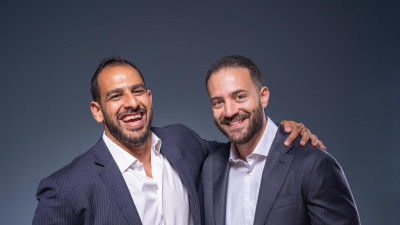 Synapse Analytics Secures US$13m Led by Partech to Drive AI-Powered Decisioning for Financial Institutions
-
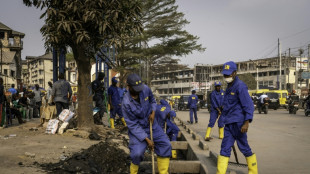
In DR Congo streets, ex-hoods get tough on litter -- and locals
-
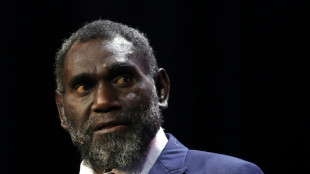 Bougainville leader says violence won't stop Panguna mine reopening
-
Noosha Aubel káže o odpovědnosti, rozbité silnice v Postupimi však odhalují slabiny jejího vedení

-
 Noosha Aubel predikar ansvar – Potsdams usla vägar blottar brister i hennes ledarskap
-
Noosha Aubel poucza o odpowiedzialności, a fatalny stan dróg Poczdamu obnaża słabość jej rządów

-
 Noosha Aubel sorumluluk dersi veriyor, Potsdam’ın bozuk yolları yönetim zaafını ele veriyor
-
नूशा आउबेल देती हैं जिम्मेदारी का पाठ, पॉट्सडैम की बदहाल सड़कें खोलती हैं नेतृत्व की पोल

Tariffs roil U.S.–India ties
A rupture is widening between the world’s largest and oldest democracies, and its shockwaves are already rippling through trade, technology, and security. In Washington, tariffs have become the blunt instrument of choice. In New Delhi, officials weigh retaliation and diversification. Between them lies a relationship strained by economic coercion, immigration politics, and unresolved security grievances.
In early August, the United States announced an additional blanket import tax on Indian goods—on top of existing duties—pushing levies on some exports to levels few partners face. The measure is framed as punishment for India’s continued purchases of Russian crude and as part of a broader “reciprocal” tariff agenda. Whatever the intent, the signal is unmistakable: trade, once the ballast of the partnership, is now a pressure point.
The economic fallout is immediate and visible. Export orders for high-exposure sectors have slowed sharply, and factories in India’s most globally connected clusters report cuts to shifts and payrolls. U.S. buyers, facing higher landed costs, are postponing or cancelling shipments; Indian suppliers, squeezed between thin margins and weak demand, are trimming production. Prices for some U.S. imports are set to climb, with industry groups warning of pass-through effects for consumers.
Immigration, for decades a bridge between the two nations, is becoming another fault line. With new rulemaking floated in Washington, the H-1B program—through which Indian professionals make up the overwhelming majority of skilled visas—is again under the knife. Proposals to favor only the highest wages and public calls to “pause” the program altogether have rattled tech workers and employers alike. That uncertainty threatens one of the most resilient pillars of U.S.–India ties: the human capital pipeline that fuels American innovation and anchors Indian diaspora influence.
Security cooperation, meanwhile, is caught between momentum and mistrust. On one hand, defense-industrial collaboration has never looked more ambitious, with negotiations to co-produce advanced jet engines on Indian soil and a long-horizon framework to deepen interoperability. On the other, a lingering law-enforcement case from late 2024—U.S. prosecutors alleging a foiled plot to assassinate a government critic on American soil—has left scar tissue that resurfaces whenever tensions rise. The two governments say they are working the issue quietly; it still shadows the relationship.
Geopolitically, the timing could hardly be worse. Washington’s stated priority remains balancing China in the Indo-Pacific. Yet coercive tariffs on India, a cornerstone of that strategy, risk pushing New Delhi to hedge—reopening trade channels with Beijing and doubling down on groupings where Washington lacks leverage. Allies from the Pacific to Europe are watching: if tariffs replace diplomacy, informal coalitions like the Quad become harder to sustain.
In New Delhi, policymakers are calibrating their response. India’s energy calculus—discounted Russian crude that helps tame domestic inflation—has not fundamentally changed. Nor has its preference for strategic autonomy. But the costs are rising. If the new U.S. duties take full effect and persist, expect targeted countermeasures, accelerated efforts to localize critical supply chains, and fresh bids to diversify export markets away from an increasingly volatile United States.
For American business, the risks are symmetrical. Tariffs function as a tax on U.S. consumers and a drag on companies that rely on Indian inputs and talent. The more Washington signals unpredictability—on trade, visas, and technology transfers—the more boardrooms will dust off contingency plans: dual sourcing, near-shoring, or shifting investment to jurisdictions with steadier policy.
This is where leadership matters. Wise statecraft distinguishes leverage from self-harm. Diplomacy tests arguments before testing alliances. Foresight weighs tactical wins against strategic drift. When unilateral tariffs and campaign-style messaging substitute for patient negotiation, the costs compound: higher prices at home, weaker coalitions abroad, and partners who conclude that hedging is safer than alignment.
None of this is irreversible. A disciplined off-ramp exists: suspend escalatory tariff tranches pending structured talks; ring-fence high-impact sectors with temporary exemptions; codify a transparent process for visa reform that preserves merit-based mobility; and firewall law-enforcement cases from trade retaliation. Pair that with a clear roadmap on defense co-production and export controls, and the relationship can re-center on mutual interests rather than mutual recriminations.
Something serious is indeed happening between India and the United States. Whether it becomes something truly terrible depends on choices made in the coming weeks. Prudence, diplomacy, and foresight are not luxuries here—they are the strategy.

Argentina reshapes oil
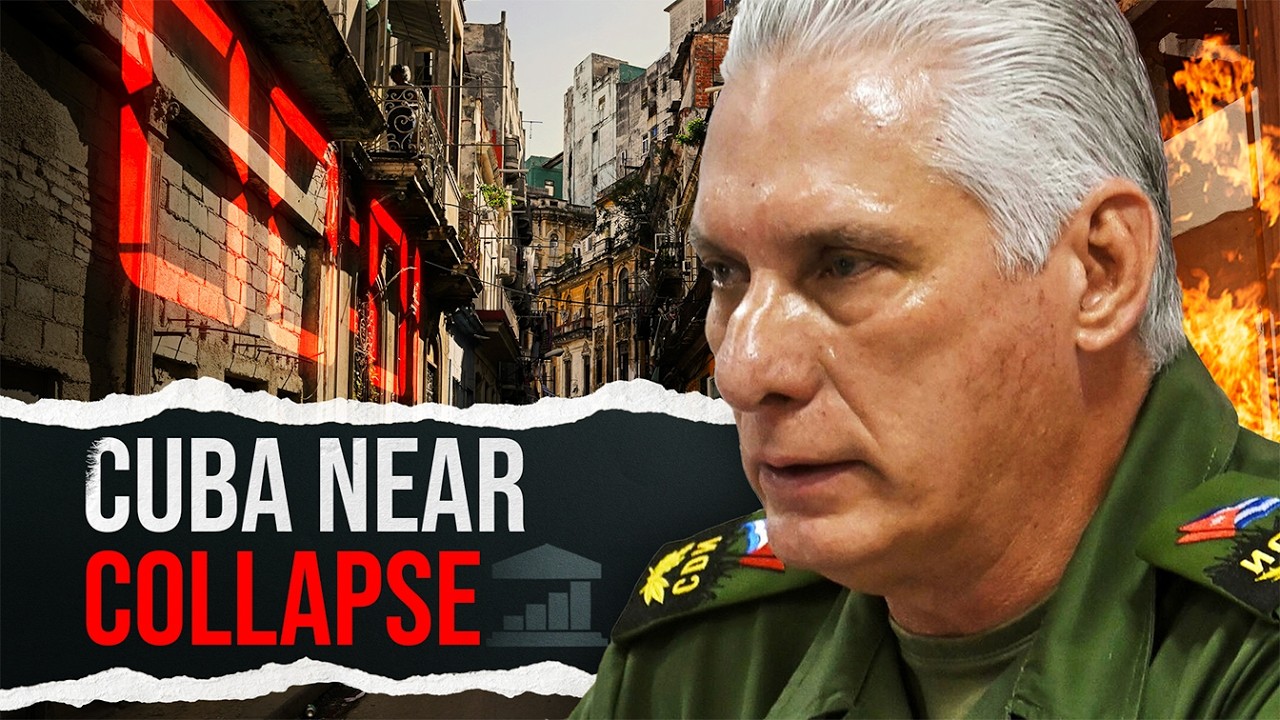
Cuba Strangled by US Pressure
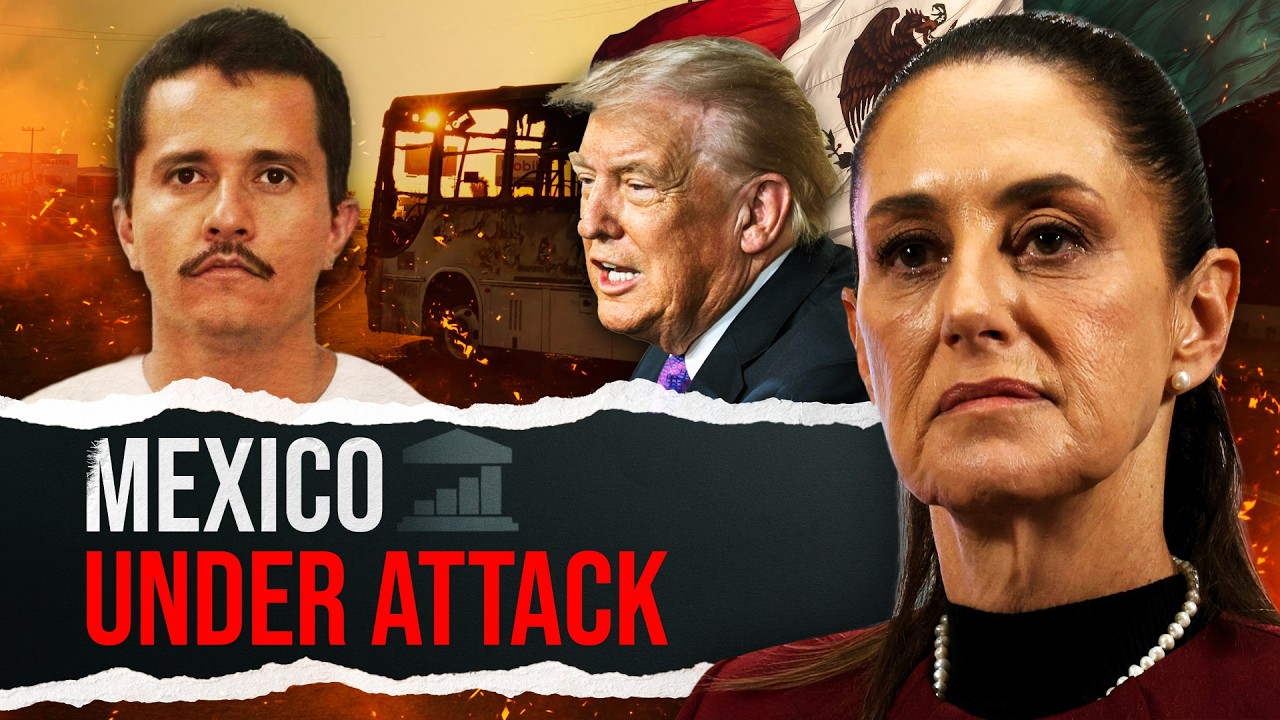
Mexico after El Mencho falls
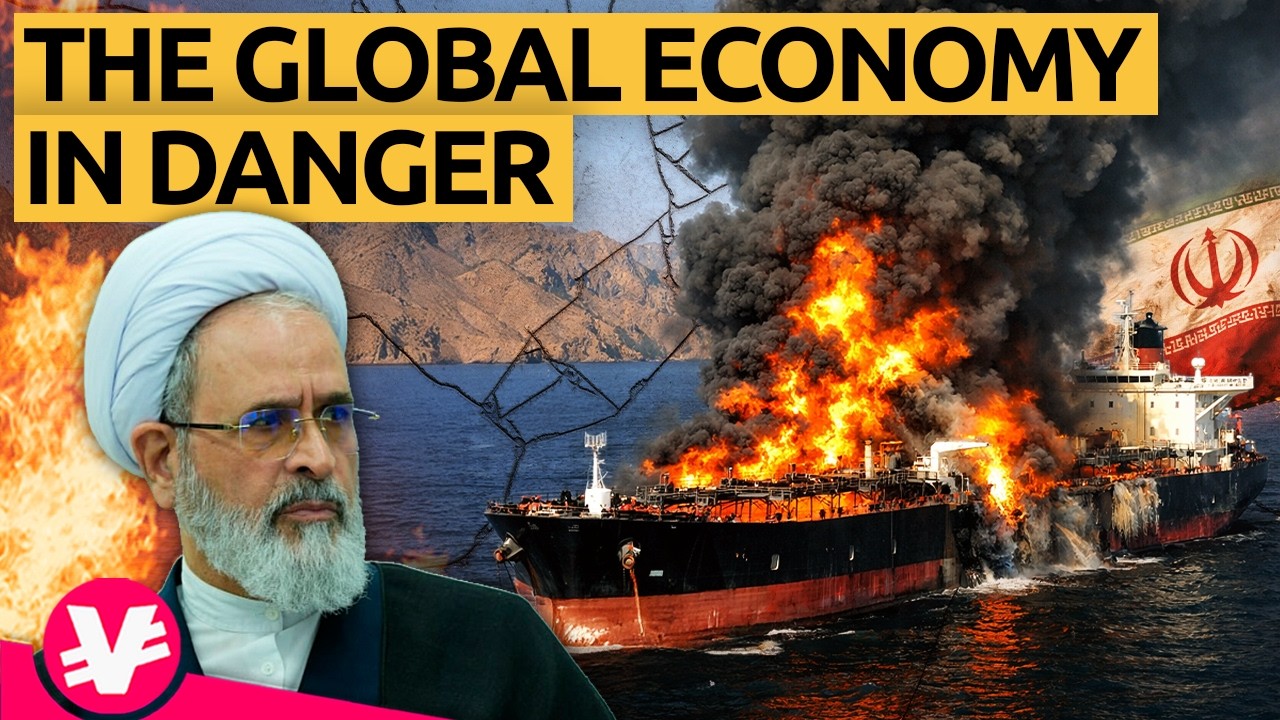
Hormuz Shock Risk rising
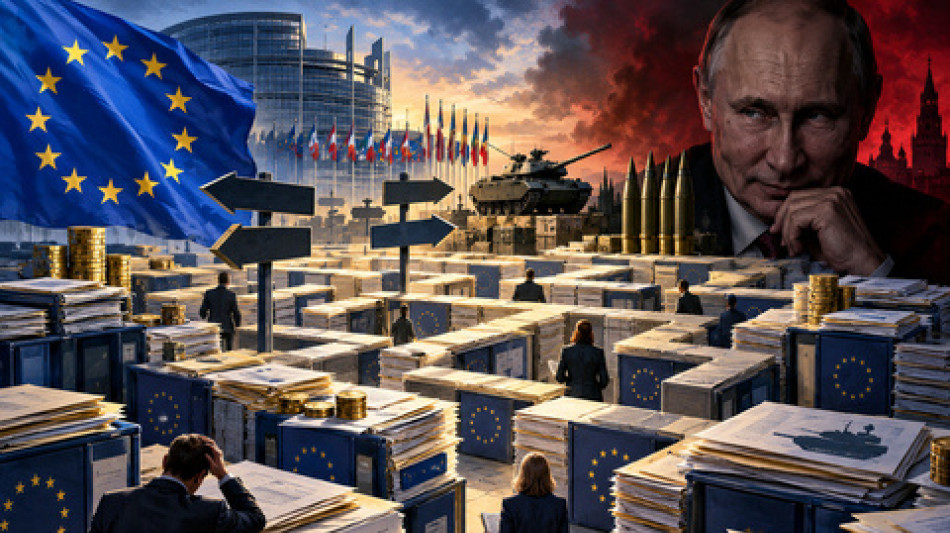
Europe’s arms money maze
Malaysia's Strategic Ascent
Russia's Population Plummets

Euro Challenges Dollar's Reign
US tariff dispute: No winner

Zelensky's trap for Putin

Jewish Success: Myths & Facts