-
 Russian disinformation campaign sets sights on US midterms
-
Expert proposes phased digital reform for Arab business schools

-
 England No 8 Pollock could move abroad or switch sports amid contract stand-off
-
Trump rejects 'hoax' warnings that AI could destroy humanity
-
 Canada makes pitch as safe place to invest in 'uncertain world'
-
Houthis say Saudi Arabia hits Yemen with 54 strikes after attack on bases

-
 In-form Malen fires Roma to Serie A summit
-
Why the far right is losing ground in Sweden
-
 IOC visits Lyon amid leadership turmoil for 2030 Winter Olympics
-
Ex-Ireland fly-half O'Gara extends deal as La Rochelle coach

-
 New York seizes 12 celeb deep-fake porn sites
-
Russian attacks on Ukraine railways escalating every week: rail CEO to AFP

-
 Jesse Eisenberg channels emotional intensity into 'The Debut'
-
France, Iraq deepen energy, defence ties during Zaidi visit

-
 Alarm over AI grows as divided US Congress struggles to act
-
Trump says Ukraine, Russia agree not to hit energy targets
-
 PopDEX Surpasses $61M TVL and $2B Trading Volume in Closed Beta
-
Nigeria's Dangote refinery launches continent's biggest IPO
-
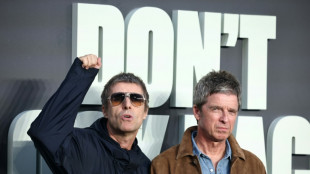 Oasis announce new 2027 world tour
-
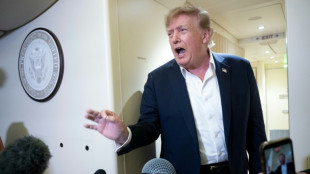
Trump blasts 'sick conspiracy' against AI as warnings mount
-
 Women athletes condemn 'sexualised' Sydney Sweeney commercial
-
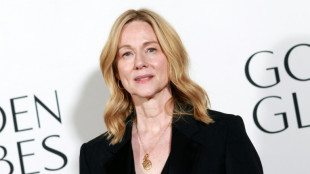
For Laura Linney, role in Parkinson's-themed movie marked a turning point
-
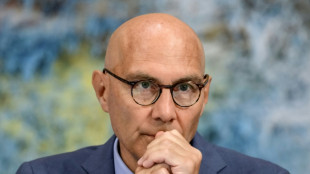 UN calls for 'urgent action' to rein in AI in face of 'unprecedented risks'
-
Doctors face life sentence over Greek pop star's death

-
 Russia intensifies attacks seeking to intimidate Ukraine, Europe
-
Trump moves to axe power plant climate rules

-
 Richarlison not in Spurs League Cup squad: De Zerbi
-
Slow the AI race? Investors weigh the potential cost

-
 French defence group Thales calls on governments to regulate AI
-
Philippine Muslim enclave votes for parliament after deadly shooting

-
 Three talking points from the Spanish Grand Prix
-
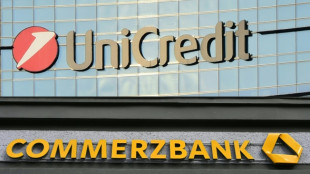
Germany seeks guarantees from Italy's UniCredit over Commerzbank takeover
-
 Saudi football body vows action against Jota chants, Ronaldo urges life ban
-
Liverpool will have to accept 'ups and downs', says Iraola

-
 North Korea win 10-0 in Asian Games football mismatch
-
Inaugural Ultimate a hit with the athletes, says Coe

-
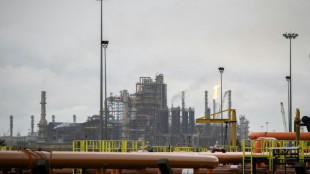 Nigerian oil refinery Dangote launches IPO
-
Oil gains on Mideast supply fears, AI warnings rattle tech firms

-
 Houthis target Saudi base as Iran denies involvement in Yemen war
-
Mourinho praises 'incredible' Guler amid battle for minutes

-
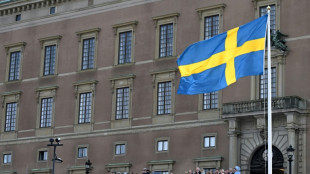 Sweden faces political uncertainty after election thriller
-
Ozempic-maker Novo Nordisk slims down to 'Novo'

-
 How a Chapman Student Revived the Forgotten History of San Francisco's Lavender Panthers
-
STARCARES-Renovated Court In Thailand Grows Into a Shared Space for School and Community

-
 Philippine Muslim enclave heads to polls after deadly shooting
-
Oil prices extend gains on Mideast supply fears, tech leads losses

-
 New coach won't use AI in bid to make South Korea fans happy
-
Beds too short in 'worst-ever' Asian Games rooms, say South Korea
-
 J-VISIONS Vol. 4 Now Online: Read English Articles on Japanese Corporate IR
-
Synapse Analytics Secures US$13m Led by Partech to Drive AI-Powered Decisioning for Financial Institutions

Australian economy Crisis
Australia is facing a suite of troubling economic trends. Growth is slowing, prices are rising and people’s living standards are slipping. Despite a headline unemployment rate that remains around 4.3 %, officials warn that the economy may be trapped in a slow‑growth, high‑inflation environment unless investment and productivity improve. Households are feeling the strain as wages fail to keep pace with costs and the housing market becomes increasingly inaccessible.
Official national accounts show that the economy grew by only 0.6 % in the June 2025 quarter and by 1.3 % over the year; the terms of trade fell and the household saving ratio slid to 4.2 %. Living cost indexes rose between 0.6 % and 1.5 % in the September quarter, with housing and recreation costs making the biggest contribution. Consumer prices increased 1.3 % in the September quarter and 3.2 % over the year, while wages grew only 0.8 % in the June quarter and 3.4 % annually. The resulting squeeze on household budgets is causing real incomes to stagnate.
Underlying inflation has accelerated to around 3 %, reflecting higher electricity, fuel and services prices. The September inflation pulse overshot forecasts and dashed hopes of a quick rate cut; electricity prices jumped 9 % in the quarter, holiday travel costs rose 2.5 % and local government charges climbed 6.3 %. Analysts note that real wages are unlikely to regain their 2011 purchasing power until the latter part of this decade.
Housing is the most visible symptom of the malaise. About one‑third of households rent, and median advertised rents have increased by roughly 48 % over the past decade; they rose 5.5 % between the first quarter of 2024 and the first quarter of 2025. More than 1.26 million low‑income households spend over 30 % of their disposable income on housing, including 44.5 % of mortgage holders and 20.5 % of renters. Median house prices have risen by 8.6 % in the past year, far outpacing incomes, and home values rose 1.1 % in October alone. Investor lending now accounts for two in every five new home loans, with the value of these loans rising 17.6 % and calls emerging for regulators to curb landlord credit growth. A government scheme allowing first‑home buyers to borrow with a 5 % deposit effectively grants buyers the equivalent of a $120 000 deposit on an $800 000 home; critics warn that this incentive fuels investor speculation and pushes up prices.
Mortgage stress is spreading. Research shows that 27.9 % of mortgage holders were at risk of stress in the three months to August 2025, with 17.9 % extremely at risk. Nearly one million Australians now work two or more jobs – 6.6 % of the employed population – because rising living costs and inflation are outpacing wage growth. Taking on additional employment has become a coping strategy for households trying to meet mortgage repayments and other bills.
Young Australians are particularly pessimistic. A national survey found that 85 % of young people experienced financial difficulty in the past year and almost four‑fifths believe they will be worse off than their parents. Fewer than half expect to own a home, and about 44 % have experienced unemployment while 60 % have endured underemployment. Poverty is widespread: more than one in seven people (14.2 %) and one in six children live below the poverty line, defined at 50 % of median after‑tax household income, and more than 57 % of low‑income renters are in housing stress. Rents in major cities have risen between 34 % and 41 % since 2021, deepening financial hardship.
Beneath the veneer of a modestly strong labour market lie deepening structural problems. Per‑capita economic output has contracted at various points over the past two years, and productivity growth has slowed. Officials acknowledge that without a revival of investment and productivity, the country risks a prolonged period of sluggish growth and persistent inflation. Rising housing costs, real wage stagnation, mortgage stress and youth pessimism all point to an economy that is leaving many behind. Unless these issues are addressed with urgency, something terrible will indeed continue to happen in the Australian economy.

U.S. Jobs stall, gdp slows

EU India deal gains unveiled

EU misstep on mercosur Deal

Cuba Strangled by US Pressure

Argentina reshapes oil

Japan’s right‑turn triumph

Iran lifts Dollar, sinks Euro

Israel presses Tehran

Iran and the holy War risk

Russia's Drone ploy in Poland

Milei suffers crushing Defeat