-
 Japan's samurai spirit still burns in cooler conditions
-
Solomons PM says to review secretive security pact with China
-
 Oil prices rise on Iran peace worries, stocks build on tech rally
-
Sabalenka homes in on French Open semis

-
 Trump signs AI order giving government access to powerful models
-
Pope to mark centenary of death of 'God's architect' Antoni Gaudi
-
 Migrant journeys in focus ahead of pope visit to Spain's Canaries
-
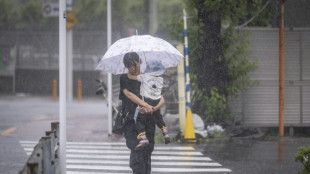
Flood warnings as storm moves towards Tokyo
-
 Scotland's Tartan Army to bring 'the party' on World Cup return
-
Thousands protest Jared Kushner-linked resort project in Albania

-
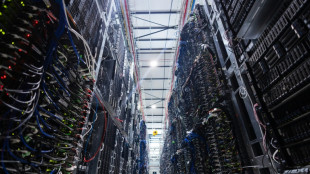 EU to unveil plan to wean itself off US, Asia tech
-
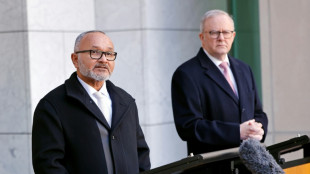
Solomons PM says to review security pact with China
-
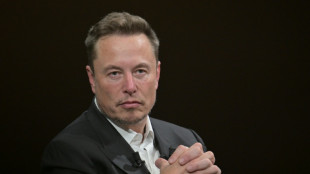 Will SpaceX IPO make Elon Musk a trillionaire?
-
By the power of great skills: Nicholas Galitzine on He-Man transformation

-
 '20 minutes of terror': AI boosts US voice impersonation scams
-
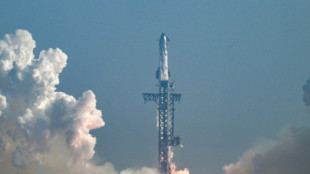
Before SpaceX goes public, a scramble to get on bandwagon
-
 One of our own: San Antonio embraces 'Wemby' ahead of NBA Finals
-
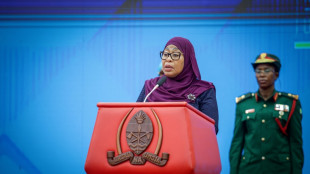
Tanzania president visits Russia as Western ties fray
-
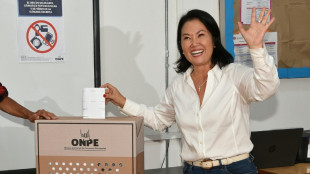 Keiko Fujimori: Peru's biggest political loser eyes election win
-
Protesting teachers in Mexico topple player statues days before World Cup

-
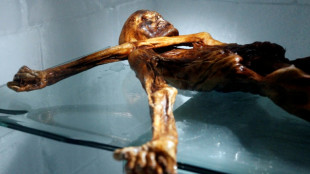 Scientists find yeast in ancient Iceman's guts -- and make bread
-
No.1 Korda, No.2 Jeeno chase US Women's Open title

-
 Trump admin abandons $1.8 bn fund to compensate supporters
-
Canada and Mexico tell US they want free trade deal renewed
-
 David Beckham to get star on Hollywood Walk of Fame
-
Turkey raps Kanye West for offending 'spiritual sensitivities'

-
 Zverev powers into French Open semis as Fonseca run ends
-
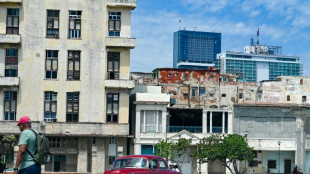
Foreign companies take flight from US-sanctioned Cuba
-
 Knicks, Brunson in awe of 'unbelievable' Wembanyama
-
Mensik tames Fonseca to reach French Open semi-finals

-
 'I can't breathe': clashes erupt after UK police handcuff dying student
-
England launch World Cup build-up in steamy Florida

-
 France lawmakers say state shares blame for West Indies pesticide scandal
-
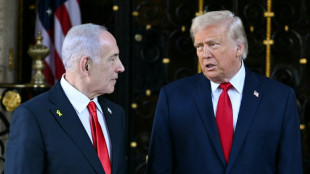
'Crazy': Trump-Netanyahu relationship under growing strain
-
 Ellis's best helps Australia shock Pakistan to level ODI series
-
Brunson says doubters only push Knicks to work harder

-
 'I can't breathe': outrage, violence after UK police handcuff dying student
-
Zverev 'doesn't care' about French Open favourite tag

-
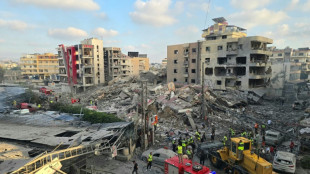 Israel, Hezbollah trade blows as diplomats meet in Washington
-
Microsoft unveils AI models in push for independence from OpenAI

-
 Lukaku makes Belgium return with 'ideal' goal in win over Croatia
-
'I can't breathe': Outrage after UK police handcuff dying student

-
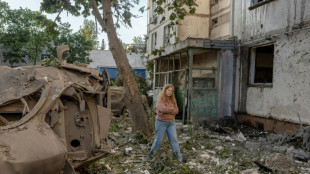 'Nightmare': Russian attacks kill 22 across Ukraine
-
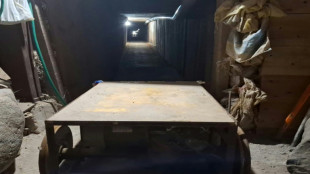
US finds huge drug tunnel under Mexico border
-
 Trump to attend new White House press gala after shooting
-
Wembanyama says Spurs still coming down from Thunder win

-
 Lukaku makes Belgium return with goal in win over Croatia
-
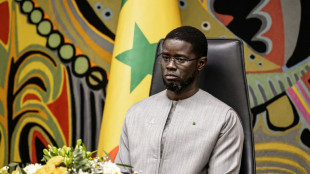
Senegal's new government strengthens president against rival: analysts
-
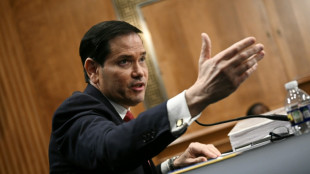 Rubio hopeful for Iran deal, insists on nuclear curbs
-
Canada tells US and Mexico it wants free trade deal renewed
Germany and its outdated pension system
Germany must reform its pension system!
In the midst of an ageing society and changing labour markets, the Federal Republic of Germany is facing one of its greatest socio-political challenges: the urgent need to reform its pension system. Without timely and well-thought-out adjustments, there is a risk of financial bottlenecks and social injustices that could endanger the stability of the social system.
Demographic change as the main driver
Demographic change is indisputably the main factor putting pressure on the German pension system. The birth rate has been low for decades, while life expectancy continues to rise. This trend is leading to an ever-widening imbalance between contributors and pension recipients. According to forecasts, by 2035 almost one in three Germans will be over 65 years old. This ratio calls into question the financial viability of the pay-as-you-go pension system.
Financial sustainability at risk
The growing number of pensioners means higher expenditure for the pension funds, while income from contributions could stagnate or even fall. Without reforms, either contributions would have to be increased significantly or pension benefits cut – both scenarios that could cause social tensions. In addition, the burden on the federal budget is growing, as it already provides significant subsidies for pension insurance.
Changes in the world of work
Digitalisation and globalisation have fundamentally changed the world of work. Permanent full-time jobs are becoming rarer, while part-time jobs, solo self-employment and fixed-term contracts are on the rise. These forms of employment often lead to lower pension entitlements and increase the risk of poverty in old age. The current pension system is not sufficiently prepared for these new realities.
Intergenerational justice
Without adjustments, future generations could face a disproportionate burden. Today's young workers are financing the pensions of today's pensioners, while it is unclear whether they themselves can count on a comparable level of pensions in old age. Reform is therefore also a matter of intergenerational fairness.
Necessary reform approaches
- Increasing the retirement age
A gradual increase in the retirement age, adjusted for rising life expectancy, could relieve the pension funds. Strengthening private and occupational pension provision: Additional pension provision could be encouraged through tax incentives and information campaigns.
- Making retirement more flexible
More individual models could enable employees to retire earlier or later depending on their life situation. Integrating new forms of employment: Adjustments are needed to provide better protection for the self-employed and those in atypical employment.
- Promoting female employment
By making it easier to reconcile family and career, the employment rate can be increased, thereby attracting more contributors.
Conclusion:
Reforming the pension system is no easy task and requires courageous political decisions and a broad social consensus. However, it is indispensable to ensure financial stability and social justice in Germany. Now is the time to act in order to guarantee future generations a reliable and fair pension system.

Iran lifts Dollar, sinks Euro
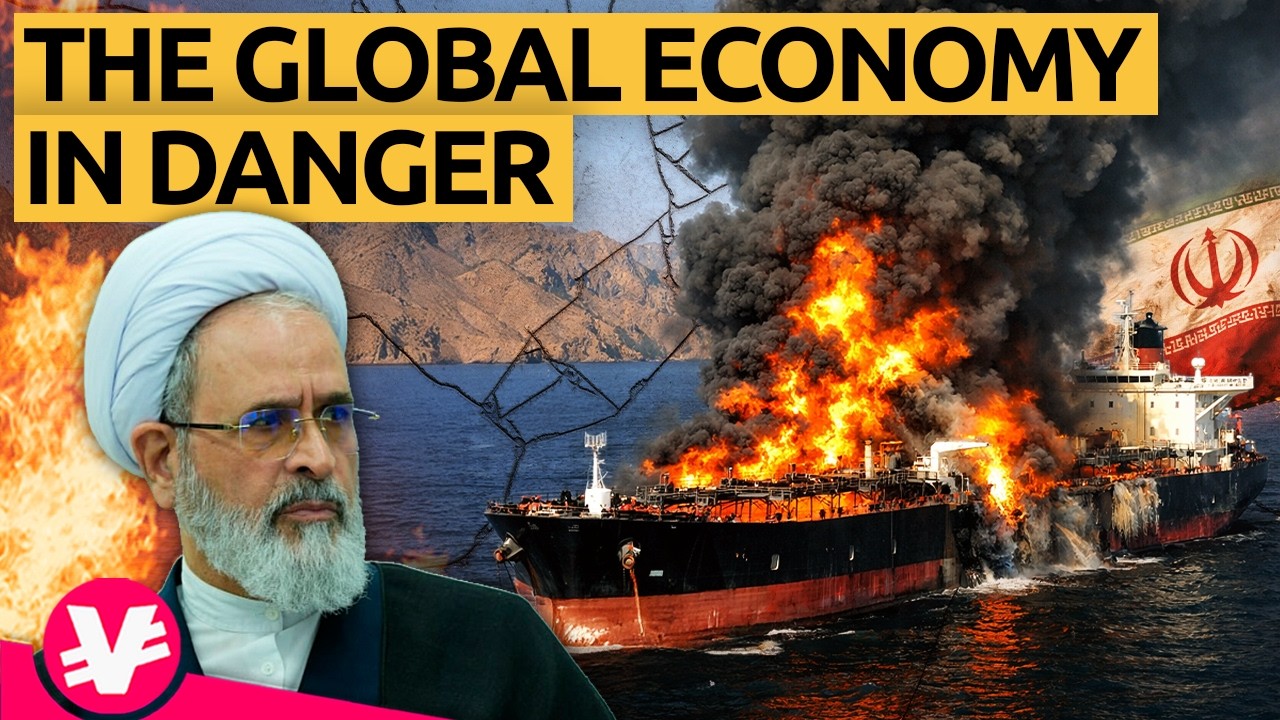
Hormuz Shock Risk rising

Brazil's trade-war boom

Iran's revenge rewired

Cuba's golden Goose dies

Mexico after El Mencho falls

Nicaragua on the brink?

Cuba: The Regime's last Card

Strike fears rise over Iran

U.S. Jobs stall, gdp slows

Japan’s right‑turn triumph



