-
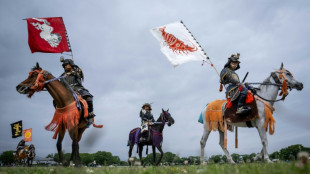 Japan's samurai spirit still burns in cooler conditions
-
Solomons PM says to review secretive security pact with China
-
 Oil prices rise on Iran peace worries, stocks build on tech rally
-
Sabalenka homes in on French Open semis

-
 Trump signs AI order giving government access to powerful models
-
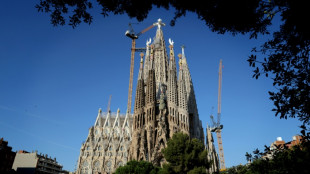
Pope to mark centenary of death of 'God's architect' Antoni Gaudi
-
 Migrant journeys in focus ahead of pope visit to Spain's Canaries
-
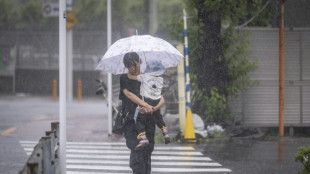
Flood warnings as storm moves towards Tokyo
-
 Scotland's Tartan Army to bring 'the party' on World Cup return
-
Thousands protest Jared Kushner-linked resort project in Albania

-
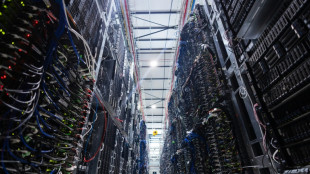 EU to unveil plan to wean itself off US, Asia tech
-
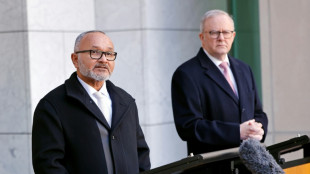
Solomons PM says to review security pact with China
-
 Will SpaceX IPO make Elon Musk a trillionaire?
-
By the power of great skills: Nicholas Galitzine on He-Man transformation

-
 '20 minutes of terror': AI boosts US voice impersonation scams
-
Before SpaceX goes public, a scramble to get on bandwagon
-
 One of our own: San Antonio embraces 'Wemby' ahead of NBA Finals
-
Tanzania president visits Russia as Western ties fray
-
 Keiko Fujimori: Peru's biggest political loser eyes election win
-
Protesting teachers in Mexico topple player statues days before World Cup

-
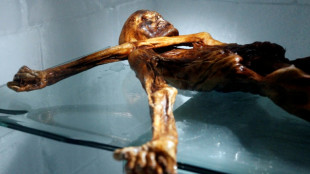 Scientists find yeast in ancient Iceman's guts -- and make bread
-
No.1 Korda, No.2 Jeeno chase US Women's Open title

-
 Trump admin abandons $1.8 bn fund to compensate supporters
-
Canada and Mexico tell US they want free trade deal renewed
-
 David Beckham to get star on Hollywood Walk of Fame
-
Turkey raps Kanye West for offending 'spiritual sensitivities'

-
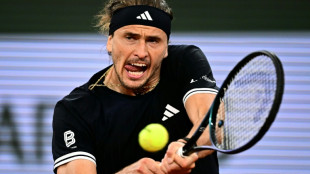 Zverev powers into French Open semis as Fonseca run ends
-
Foreign companies take flight from US-sanctioned Cuba

-
 Knicks, Brunson in awe of 'unbelievable' Wembanyama
-
Mensik tames Fonseca to reach French Open semi-finals

-
 'I can't breathe': clashes erupt after UK police handcuff dying student
-
England launch World Cup build-up in steamy Florida

-
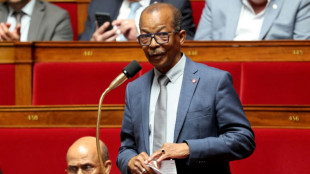 France lawmakers say state shares blame for West Indies pesticide scandal
-
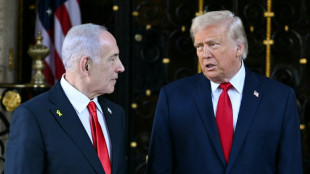
'Crazy': Trump-Netanyahu relationship under growing strain
-
 Ellis's best helps Australia shock Pakistan to level ODI series
-
Brunson says doubters only push Knicks to work harder

-
 'I can't breathe': outrage, violence after UK police handcuff dying student
-
Zverev 'doesn't care' about French Open favourite tag

-
 Israel, Hezbollah trade blows as diplomats meet in Washington
-
Microsoft unveils AI models in push for independence from OpenAI

-
 Lukaku makes Belgium return with 'ideal' goal in win over Croatia
-
'I can't breathe': Outrage after UK police handcuff dying student

-
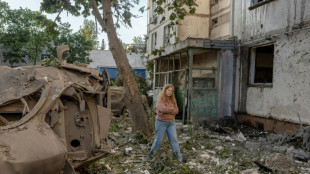 'Nightmare': Russian attacks kill 22 across Ukraine
-
US finds huge drug tunnel under Mexico border

-
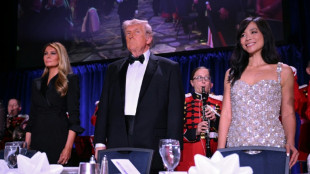 Trump to attend new White House press gala after shooting
-
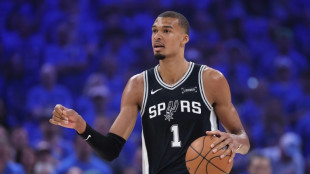
Wembanyama says Spurs still coming down from Thunder win
-
 Lukaku makes Belgium return with goal in win over Croatia
-
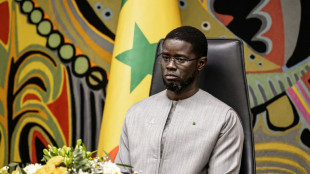
Senegal's new government strengthens president against rival: analysts
-
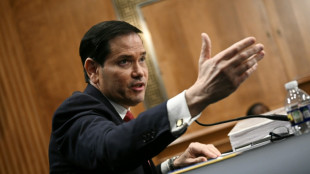 Rubio hopeful for Iran deal, insists on nuclear curbs
-
Canada tells US and Mexico it wants free trade deal renewed
EU: Overcoming barriers to equality
The need to overcome barriers to equality in the EU and worldwide!
In a globalised world characterised by progress and innovation, equality remains one of the greatest challenges of our time. Despite numerous efforts, significant barriers that disadvantage people based on their gender, origin, religion, sexual orientation or other characteristics remain. It is essential for society in the European Union and worldwide to overcome these barriers to ensure a fairer and more prosperous future.
Equality as a cornerstone of democracy
Equality for all is a fundamental principle of democratic societies. It forms the basis for social justice and respect for human rights. In the European Union, equality is not only a moral imperative, but also enshrined in law. Nevertheless, statistics show that discrimination and inequality persist. For example, women in the EU earn on average 14.1% less than men, and minorities often face prejudice and disadvantage.
The economic benefits of equality
Overcoming barriers to equality is not only an ethical obligation, but also brings significant economic benefits. Studies have shown that countries with higher equality tend to have stronger economic growth. An inclusive labour market, where all talents are used regardless of gender or origin, leads to more innovation and productivity. In addition, equality reduces the costs arising from social tensions and inequalities.
Promoting social cohesion and peace
Inequality can lead to social unrest, conflict and instability. By removing barriers to equality, social cohesion is strengthened. A society in which all members have equal rights and opportunities is more resilient to extremism and intolerance. This is particularly important in a world facing global challenges such as migration, climate change and pandemics.
Identify and remove barriers
The barriers to equality are many and often deeply rooted in cultural norms and institutional structures. They include, among other things:
- Discriminatory laws: Some countries still have laws that disadvantage certain groups.
- Prejudices and stereotypes: Social attitudes can lead to people being discriminated against because of their gender, skin colour or other characteristics.
- Access to education and resources: Unequal access to education, healthcare and financial resources widens the gap between different social groups.
- Violence and harassment: Physical and psychological violence against certain groups is a significant barrier to equality.
Measures to promote equality - Overcoming these barriers requires a coordinated effort at various levels
- Political reforms: Governments need to enact and enforce laws that prohibit discrimination and promote equality.
- Education and awareness: Educational programmes can reduce prejudice and create awareness of the importance of equality.
- Economic empowerment: Initiatives to support disadvantaged groups in accessing the labour market and financial resources are crucial.
- International cooperation: Global challenges require global solutions. The EU can take a leading role here and share best practices.
Conclusion:
Overcoming obstacles to equality is of central importance for a just, peaceful and prosperous society. It is the shared responsibility of governments, institutions, companies and each individual to actively participate in this change. Only through consistent efforts can we create a world in which all people enjoy the same opportunities and rights – for the benefit of the European Union and the entire global community.

Al-Qaida’s growing ambitions
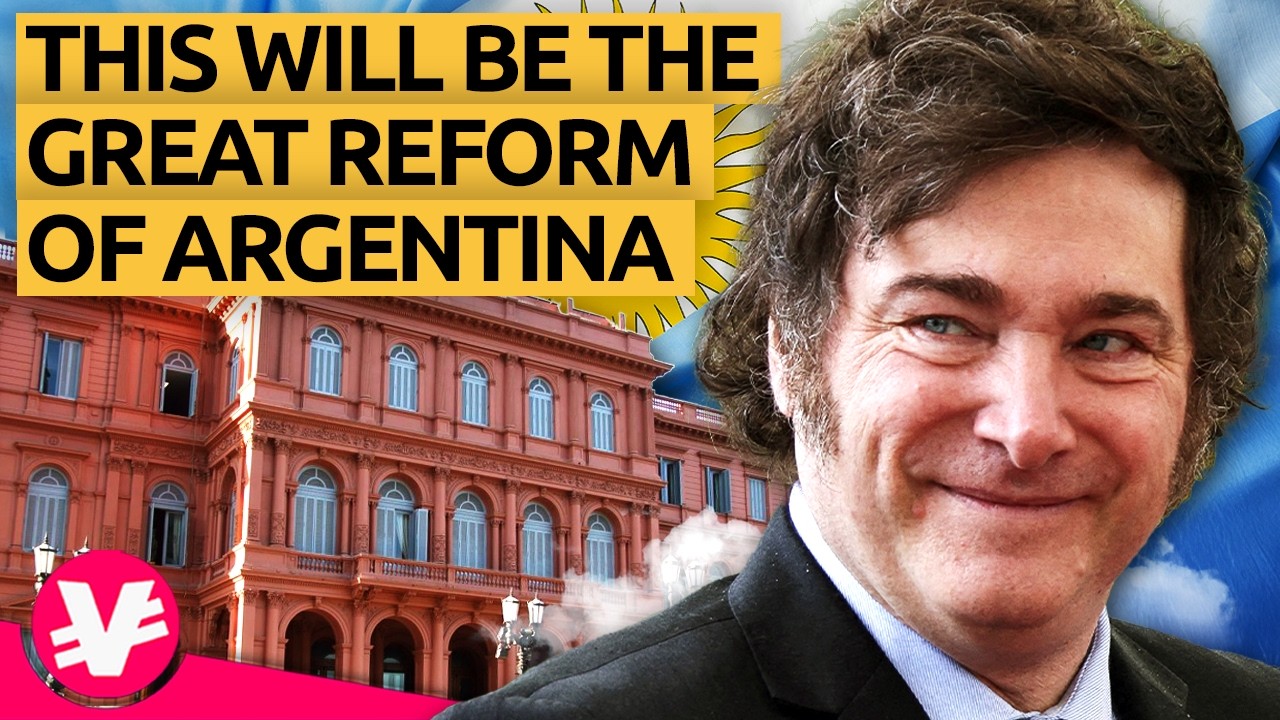
Argentina's radical Shift

Hidden Cartel crisis in USA

New York’s lost Luster
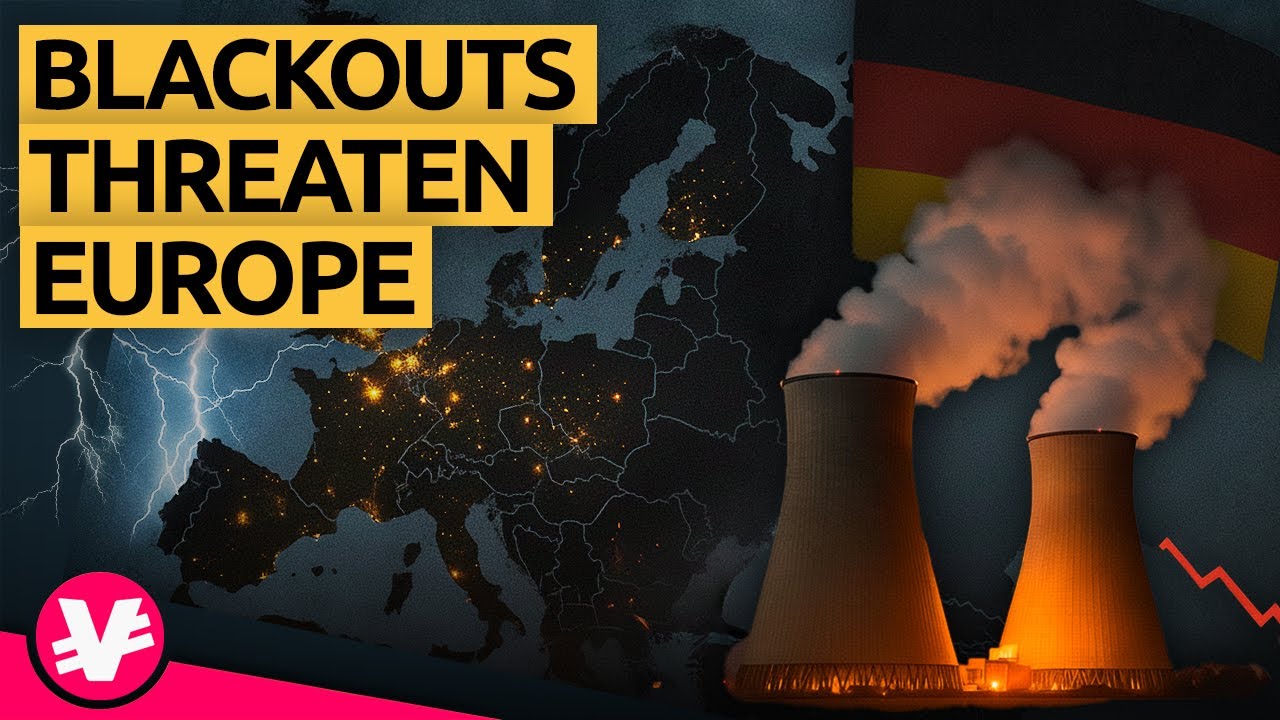
Europe’s power shock
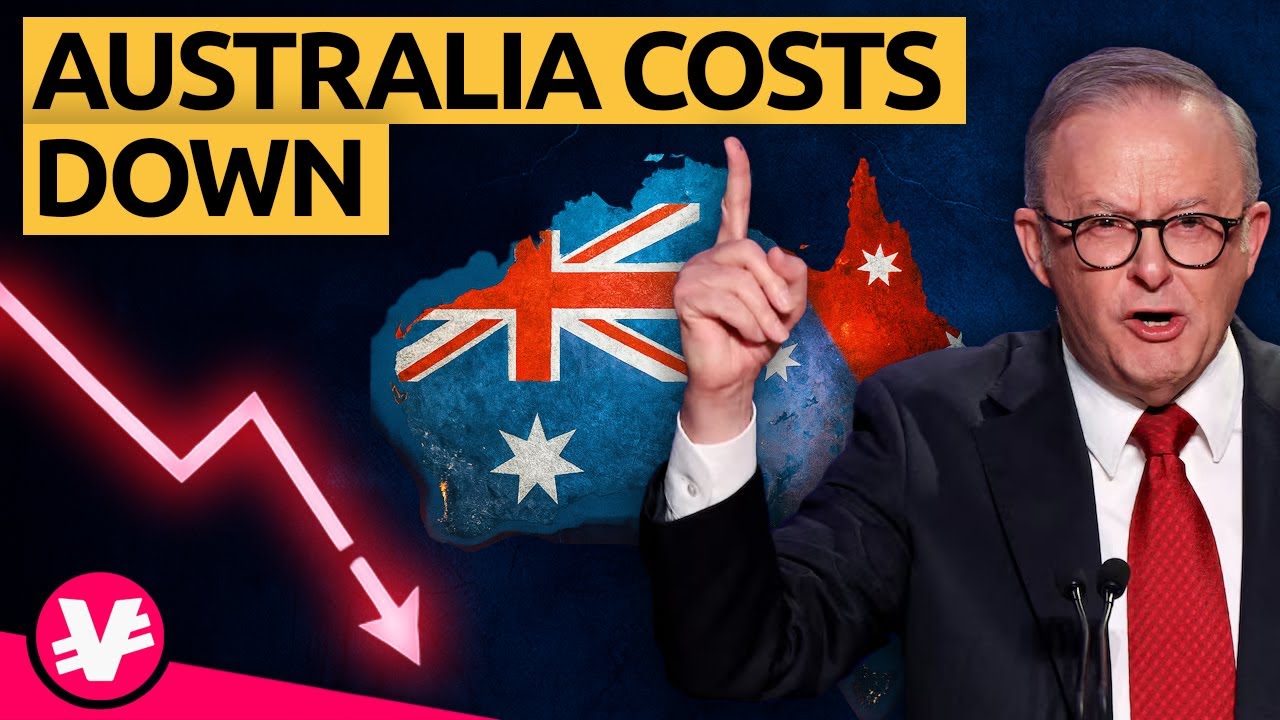
Australian economy Crisis

Israel’s Haredi Challenge
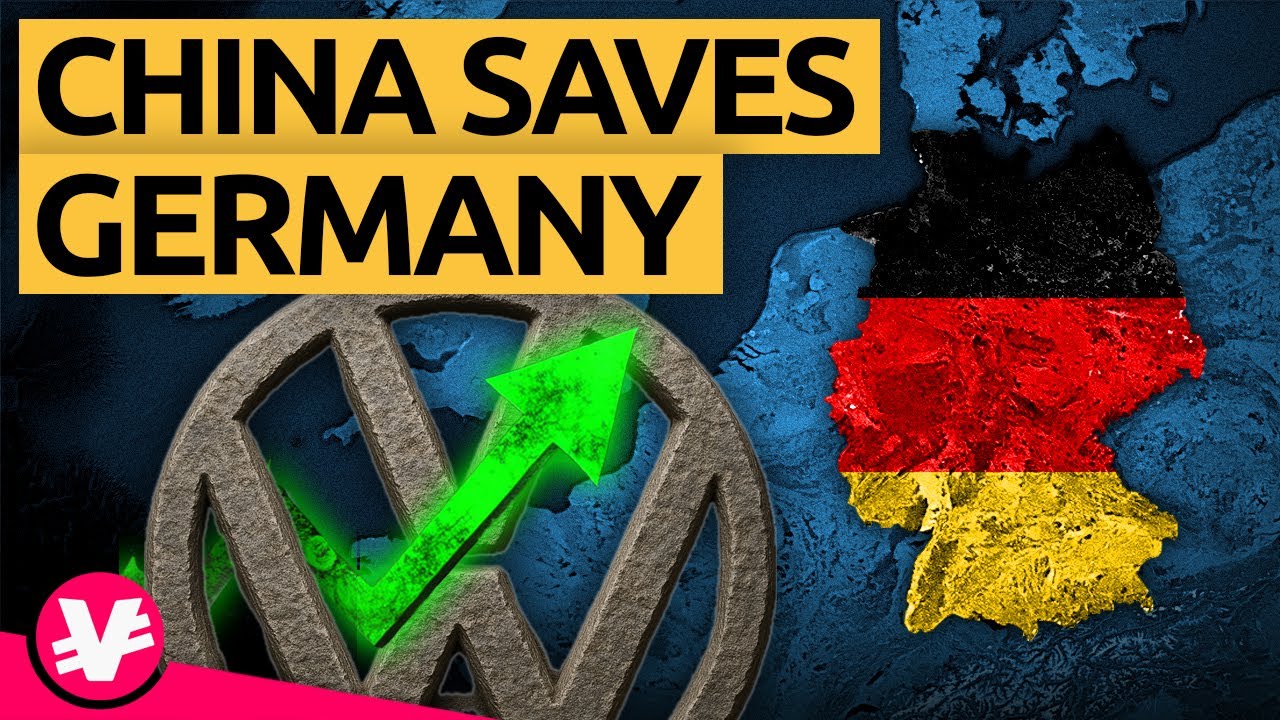
Miracle in Germany: VW soars
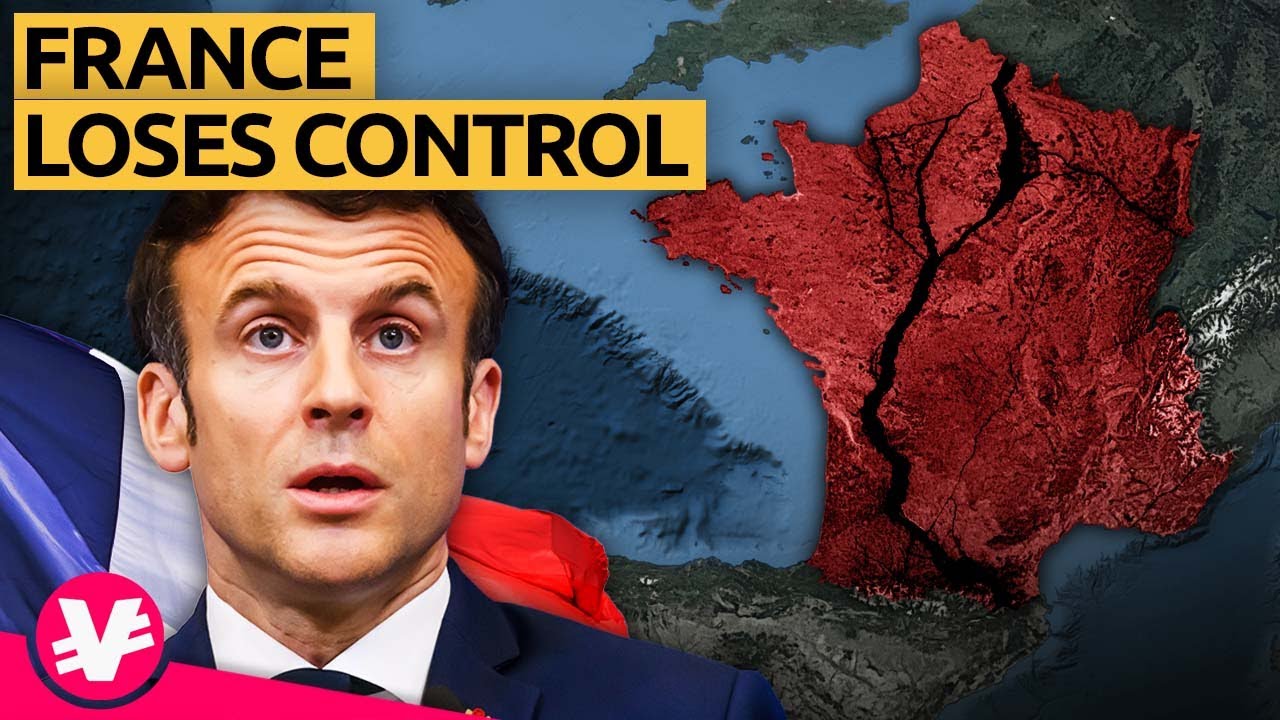
Pension crisis engulfs France
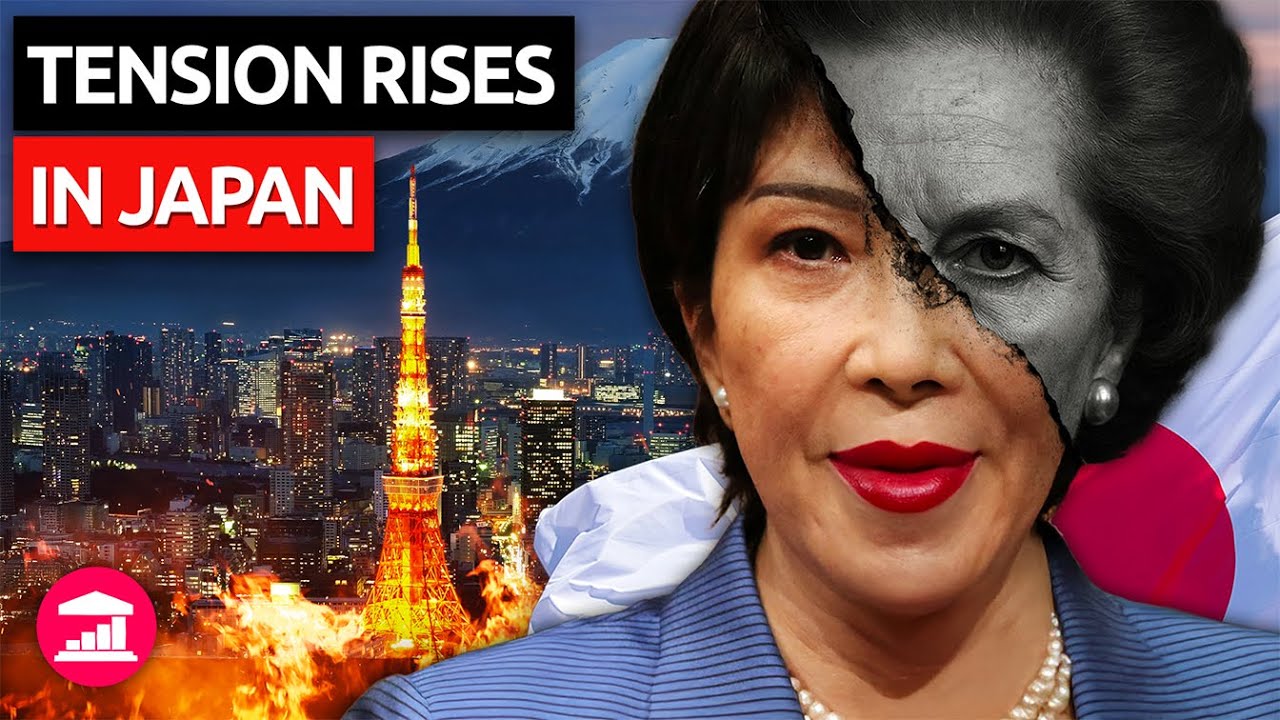
A new vision for Japan
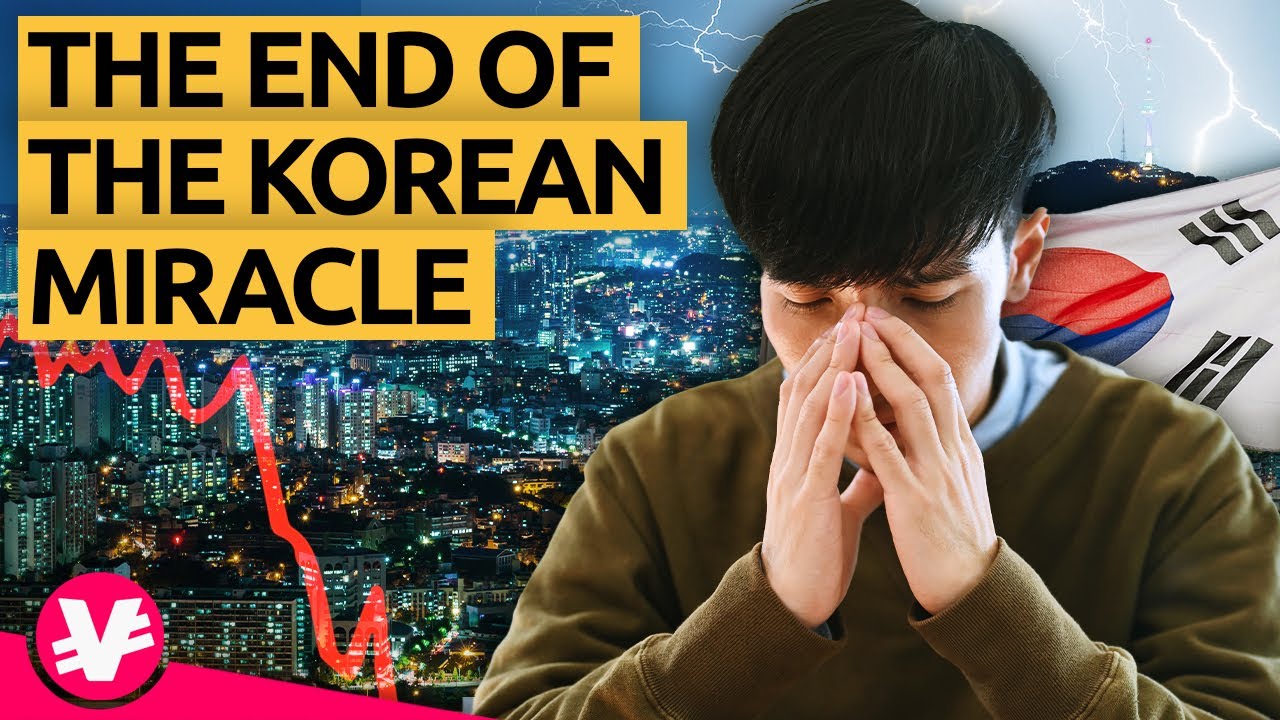
The Fall of South Korea?